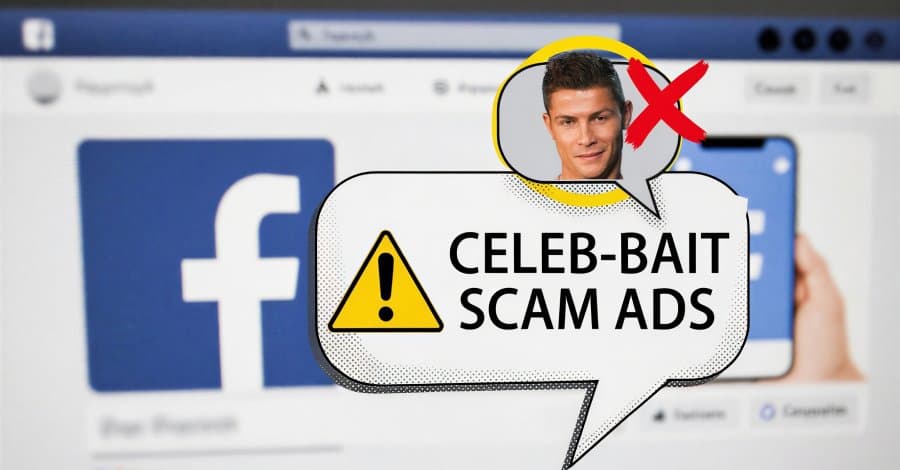
Meta is taking legal action against deceptive advertisers from Brazil, China, and Vietnam for running celebrity-bait scams, subscription fraud, and cloaking schemes on its platforms, as part of a broader crackdown on organized scam operations.
Meta has filed lawsuits against deceptive advertisers from Brazil, China, and Vietnam as part of a major crackdown on scams running across its platforms. The social media giant says it's targeting organized operations that use celebrity images, cloaking techniques, and subscription fraud to deceive users and harvest sensitive data.
Legal Action Targets Multiple Scam Operations
The company has suspended payment methods, disabled accounts, and blocked website domains used by these advertisers. Meta also issued cease-and-desist letters to eight marketing consultants who advertised services to bypass ad policy enforcement, including fake account restoration and access to trusted accounts.
Three advertisers from Brazil and China face lawsuits for celebrity-bait scams. These operations misuse images of well-known figures to trick people into clicking bogus ads that lead to scam sites designed to harvest data or steal money.
Brazilian Advertisers Named in Lawsuits
Two Brazilian defendants, Vitor Lourenço de Souza and Milena Luciani Sanchez, are being sued for using altered celebrity images and voices to promote fraudulent healthcare products. Another Brazilian operation, B&B Suplementos e Cosméticos Ltda. (Brites Corp), along with associated entities and individuals, allegedly used synthetic imagery of a prominent physician to advertise unapproved healthcare products and sell courses teaching these tactics.
Chinese Operation Targets International Victims
Shenzhen Yunzheng Technology Co., Ltd from China is accused of using celebrity-bait ads to target people in the U.S., Japan, and other countries as part of an investment fraud scheme designed to lure victims into joining fake investment groups.
Vietnam Advertiser Used Cloaking Techniques
Meta also sued Vietnam-based advertiser Lý Văn Lâm for using cloaking to bypass review processes. Cloaking involves showing different content to ad reviewers versus actual users, allowing malicious ads to slip through detection. This advertiser allegedly offered discounted items from well-known brands in exchange for completing surveys, then charged unauthorized recurring fees after victims entered credit card information.
Scale of the Problem
These legal actions come amid revelations about the scale of scam advertising on Meta's platforms. A Reuters investigation found that 19% of Meta's $18 billion in ad sales from China in 2024 came from ads for scams, illegal gambling, pornography, and other banned content. The company has since put its Badged Partners program under review.
Industry Analysis Reveals Organized Operations
Cybersecurity firm Gen Digital analyzed 14.5 million ads across EU and UK platforms over 23 days, finding that nearly 31% pointed to scam, phishing, or malware links. These scam ads generated over 300 million impressions in under a month, with just 10 advertisers responsible for more than 56% of all observed scam ads. The activity traced back to shared payment and infrastructure linked to China and Hong Kong, indicating industrial-scale operations.
Broader Scam Ecosystem Uncovered
Researchers have discovered sophisticated scam ecosystems combining malvertising with pig butchering fraud models. These operations target victims primarily in Japan through investment-themed ads that redirect to websites prompting engagement with supposed experts via messaging apps. Victims are added to chats with AI-powered chatbots that persuade them to invest larger amounts before demanding "release fees" to unlock non-existent profits.
More than 23,000 domains have been discovered within this ecosystem. Threat actors are compromising routers to alter DNS settings, using shadow resolvers hosted by bulletproof hosting companies to selectively modify DNS responses for services like Okta and Shopify, directing users to scam and malware content.
Mobile and Legal Impersonation Scams
A malicious push notification network targets Android Chrome users globally with unwanted notifications about malware infections or system scans, directing them to scam sites and adult content. Data shows Bangladesh, India, Indonesia, and Pakistan represented 50% of this traffic.
Additionally, over 150 cloned fake websites have been identified impersonating real law firms in the U.S. and UK. These sites use legitimate firm names, branding, and attorney identities to offer asset-recovery services, targeting individuals who had already suffered financial fraud.
Law Enforcement Response
The proliferation of scams has drawn law enforcement attention, with Southeast Asian countries dismantling scam compounds. Cambodia has promised to crack down on cyber scam networks, with police launching 48 operations in the first nine months of 2025, arresting 168 people and deporting 2,722 back to their home countries. These efforts have cut scam activity in half since the start of the year, according to Senior Minister Chhay Sinarith.
Meta says it has developed protections for celebrities whose images are repeatedly used in these schemes, currently protecting more than 500,000 celebrities and public figures worldwide. The company's legal actions represent an escalation in its fight against organized scam operations that have exploited its advertising systems for years.
Comments
Please log in or register to join the discussion