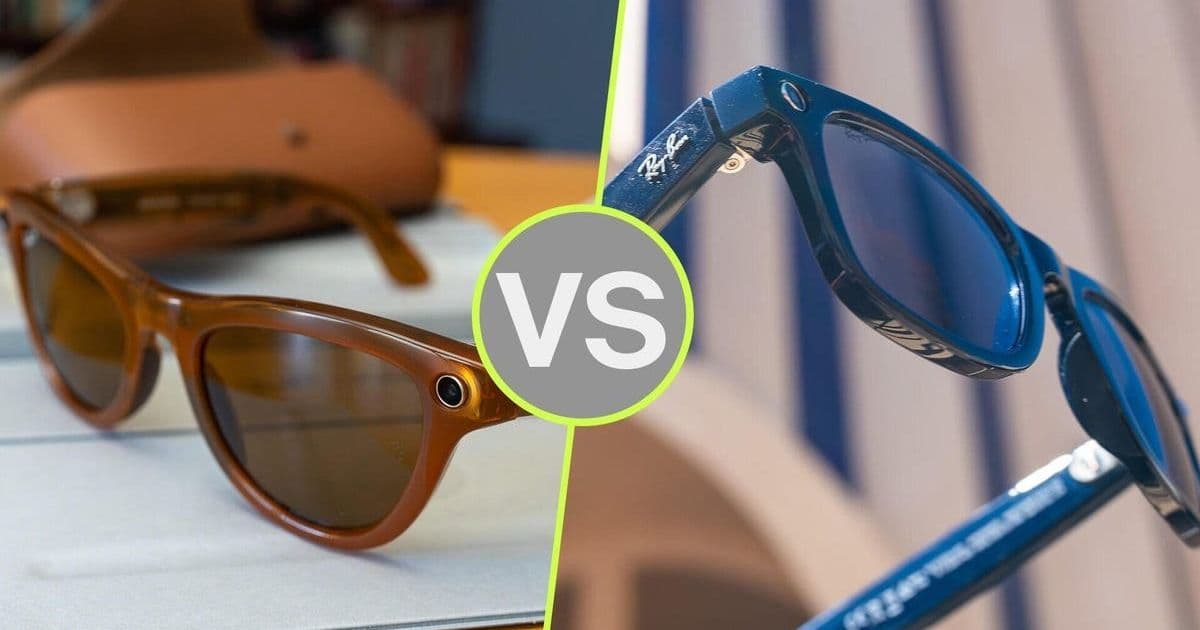
Meta's second-generation Ray-Ban smart glasses deliver significant hardware upgrades including doubled battery life and 3K video capture, but at an $80 premium. With key AI features coming to both models via software updates, the buying decision hinges on whether enhanced endurance and imaging justify the cost for tech-savvy users.
When Mark Zuckerberg dedicated 80% of Meta's recent Connect keynote to smart glasses, it underscored their strategic importance as perhaps the most successful AI hardware product in recent years. Alongside the flashy new Ray-Ban Display glasses with waveguide projections, Meta quietly released a refined second generation of its original audio-focused smart glasses. Having tested both iterations extensively, the upgrade presents a classic tech dilemma: meaningful hardware improvements versus the enduring value of the previous model.
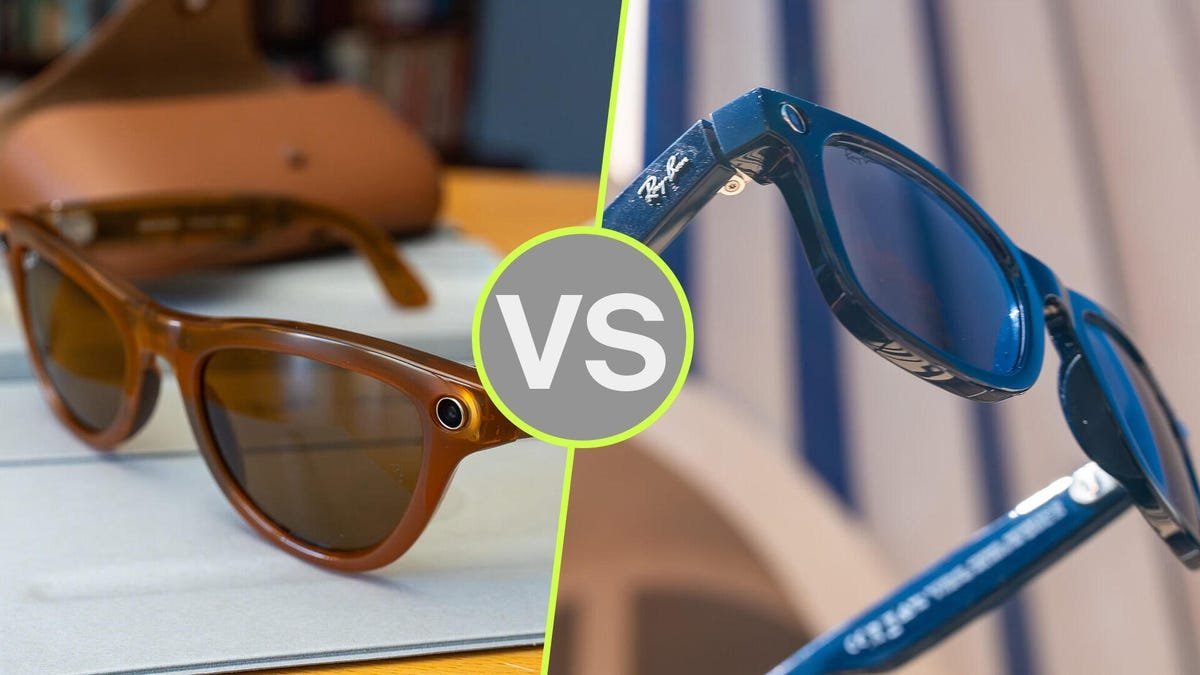 Image: Comparison of Meta Ray-Ban generations (Jason Hiner/ZDNET)
The specifications reveal tangible leaps:
| Feature | Ray-Ban (1st Gen) | Ray-Ban (2nd Gen) |
|---|---|---|
| Video Resolution | 1080p | 3K |
| Battery Life (Audio) | ~4 hours | ~8 hours |
| Case Battery | 32 hours | 48 hours |
| Starting Price | $299 | $379 |
Why the 2nd Gen Compels Tech Adopters:
The camera upgrade transforms content creation. While maintaining the 4:3 aspect ratio ideal for vertical platforms like TikTok, the jump to 3K resolution delivers visibly sharper, more vibrant footage. This isn't just incremental—it fundamentally improves usability for creators needing higher fidelity for cropping and editing. Equally critical is the doubled battery life. Moving from 4 to 8 hours of continuous audio streaming alleviates the 'battery anxiety' that plagued power users of the first generation, making them viable for full-day conferences or travel without constant case docking.
The Case for Sticking with 1st Gen:
Crucially, Meta confirmed most new AI features—including Conversation Focus (audio beamforming for clearer dialogue) and multimodal Live AI (interacting with surroundings)—will reach the first-gen glasses via software updates. This parity diminishes the urgency to upgrade purely for intelligence. Combined with the $80 price differential and frequent discounts bringing the original model below $240 (especially in refurbished channels), the first-gen remains a compelling entry point. Developers experimenting with Meta's AI platform or seeking affordable wearable integration might find this sufficient.
The Verdict for Builders:
Meta's strategy reveals a maturing wearable ecosystem: iterative hardware improvements supporting richer use cases, while software updates extend the lifespan of earlier devices. For early adopters pushing camera capabilities or needing all-day endurance, the 2nd Gen's enhancements justify its premium. Yet the enduring value of the 1st Gen—soon supercharged by the same AI features—proves smart glasses are becoming less about revolutionary leaps and more about sustainable refinement, signaling a pivotal moment for wearable computing's mainstream viability.
Comments
Please log in or register to join the discussion