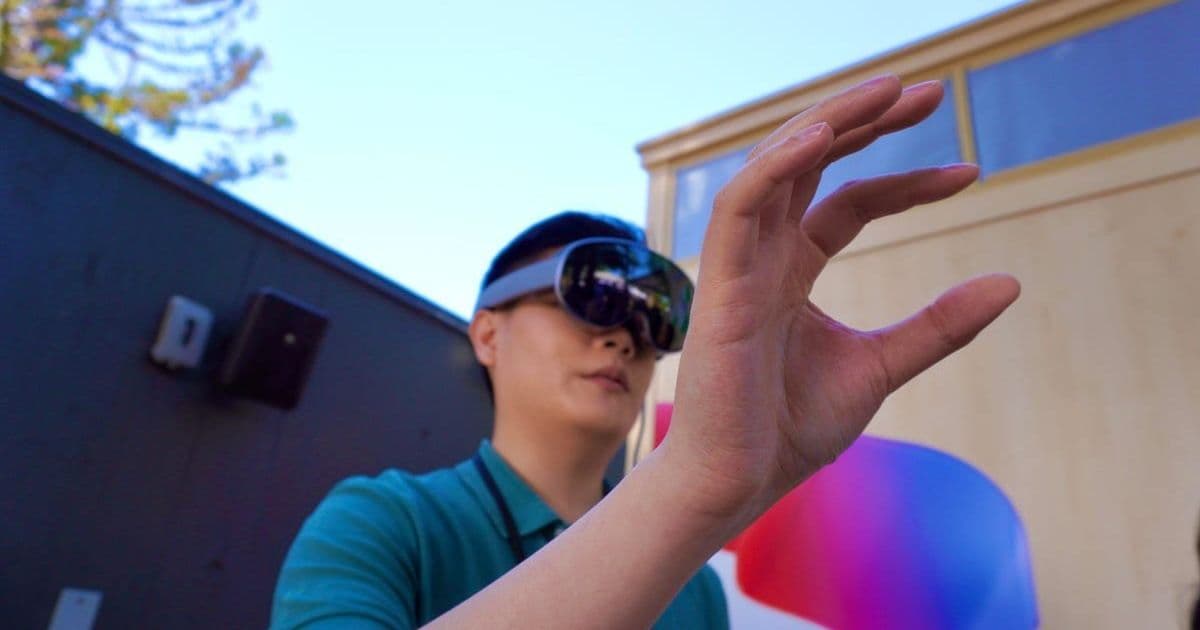
Meta's Reality Labs has unveiled a breakthrough non-invasive wristband that interprets electrical neuromuscular signals to control devices through thought and intent. This technology could revolutionize VR interaction, accessibility, and hands-free computing by translating subtle muscle activations into digital commands. Early tests suggest it enables gesture recognition, handwriting, and navigation without physical controllers.
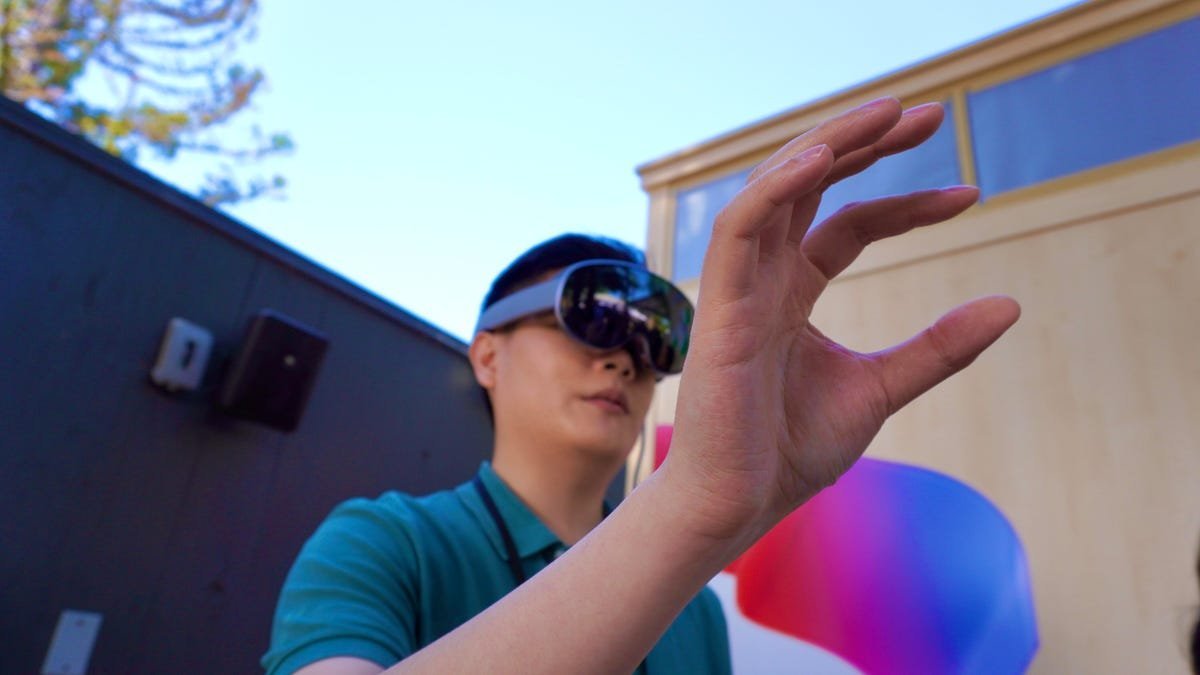
For decades, human-computer interaction has been constrained by physical interfaces—from keyboards to touchscreens to VR controllers. Now, Meta's Reality Labs is pioneering a paradigm shift with a neural wristband that deciphers electrical signals from muscles to execute commands through sheer intent. Published in Nature, their research demonstrates how surface electromyography (sEMG) captures neuromuscular activations when users think about movements, translating them into digital actions without physical motion.
How the Neuro-Interface Works
The wireless wristband employs non-invasive sensors to detect micro-electric patterns generated by the brain's motor commands. As Meta VP Thomas Reardon explained to The New York Times, with training, users can trigger actions through neural intention alone—no finger movement required. Three interaction modes are demonstrated:
- 1D Continuous Control: Pointing like a laser pointer via wrist posture
- Gesture Detection: Recognizing pinches or taps through muscle activation patterns
- Handwriting Recognition: Drawing characters in air via finger micromovements
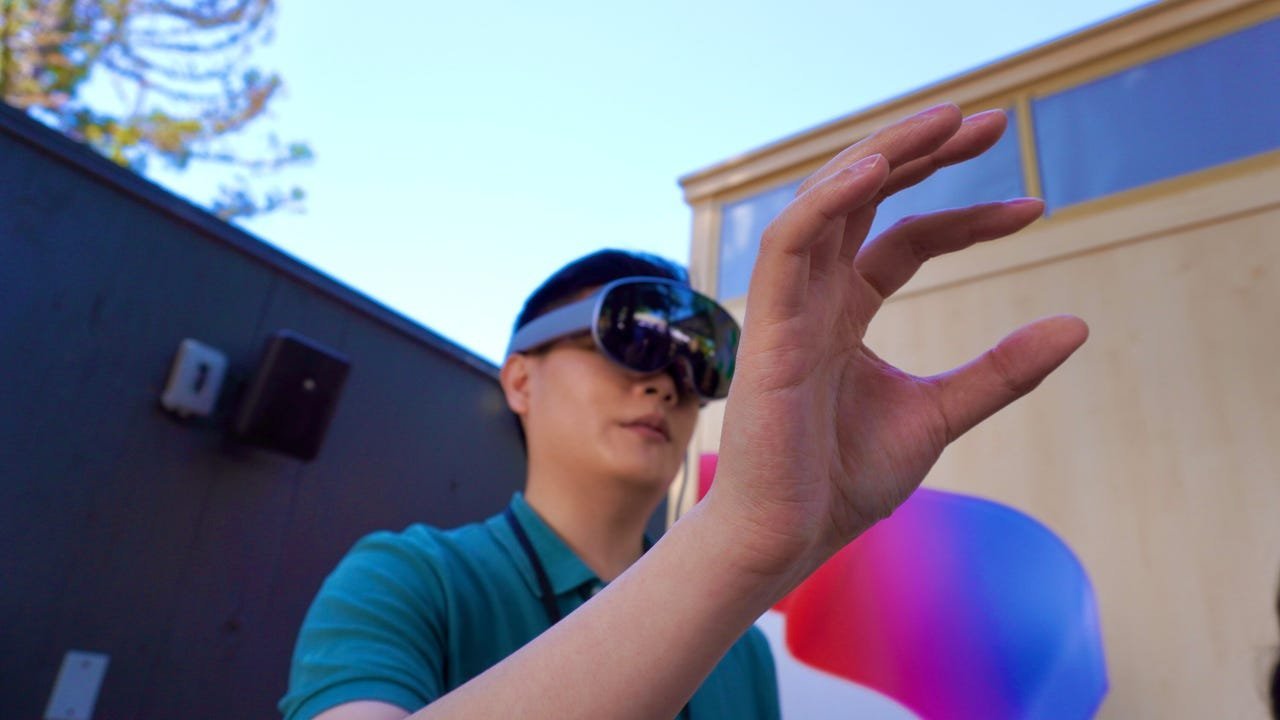 Hand gestures demonstrated with Meta's Project Moohan headset (Image: Sabrina Ortiz/ZDNET)
Why This Changes Everything
ZDNET's Kerry Wan, who has extensively tested VR/AR systems, emphasizes the implications: "A wristband processing muscle movement at this granularity revolutionizes VR/XR—from gaming to professional design." Unlike camera-based gesture tech, sEMG works in any lighting, captures sub-millimeter motions, and eliminates the awkwardness of handheld controllers.
Meta isn't alone in this race. Devices like the Mudra Link neural wristband (tested by ZDNET at CES) similarly leverage AI to interpret neuromuscular signals. Yet Meta's research signals serious investment in making this mainstream. Crucially, it offers accessibility breakthroughs: paralyzed users could navigate UIs via subtle nerve impulses previously undetectable.
The Road to Reality
While no release date is set, the research underscores Meta's ambition to dominate post-smartphone interfaces. As Wan notes: "Precise finger control is the most natural next step—especially for accessibility." When combined with AR glasses, such tech could finally deliver seamless, intention-driven computing.
Source: ZDNET (Sabrina Ortiz, July 2025)
Comments
Please log in or register to join the discussion