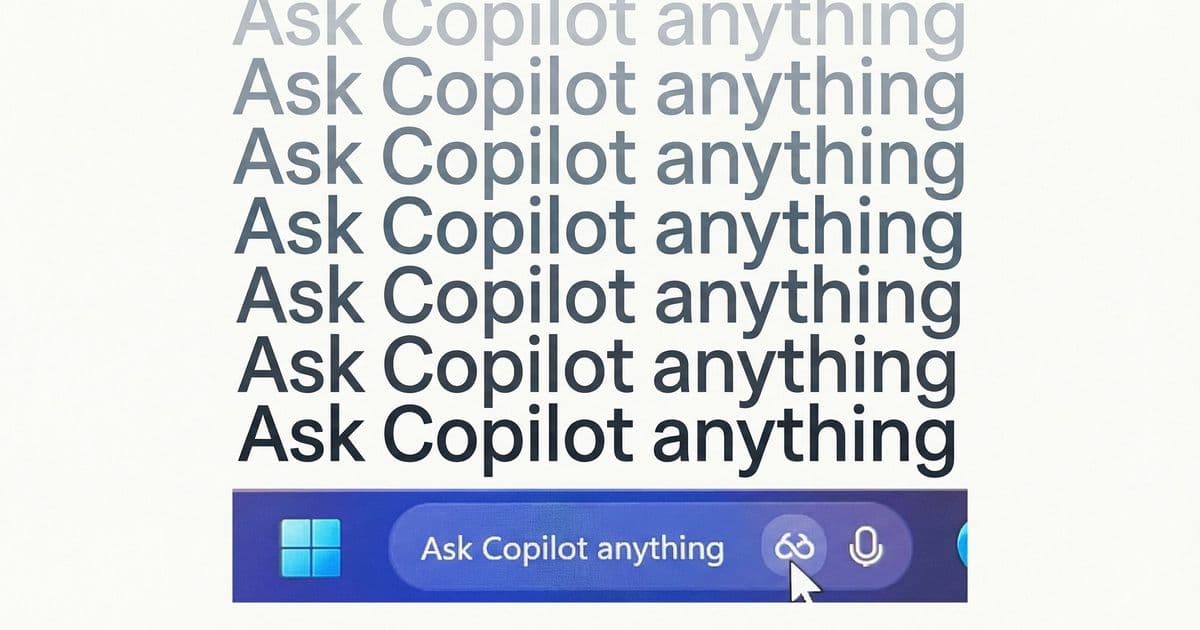
Microsoft is reevaluating its aggressive AI integration strategy in Windows 11, pulling back on forced Copilot features and rethinking Windows Recall after significant user pushback.
Microsoft is walking back its heavy-handed AI push in Windows 11 after months of user complaints and negative feedback. The company is now reevaluating where and how it integrates AI features across the operating system, signaling a significant shift in strategy.
The AI backlash began in earnest last year when Microsoft unveiled Windows Recall, a feature designed to capture and analyze everything users do on their PCs. The announcement was met with immediate criticism over privacy concerns, forcing Microsoft to postpone the feature by a year while addressing security flaws. But the company didn't stop there.
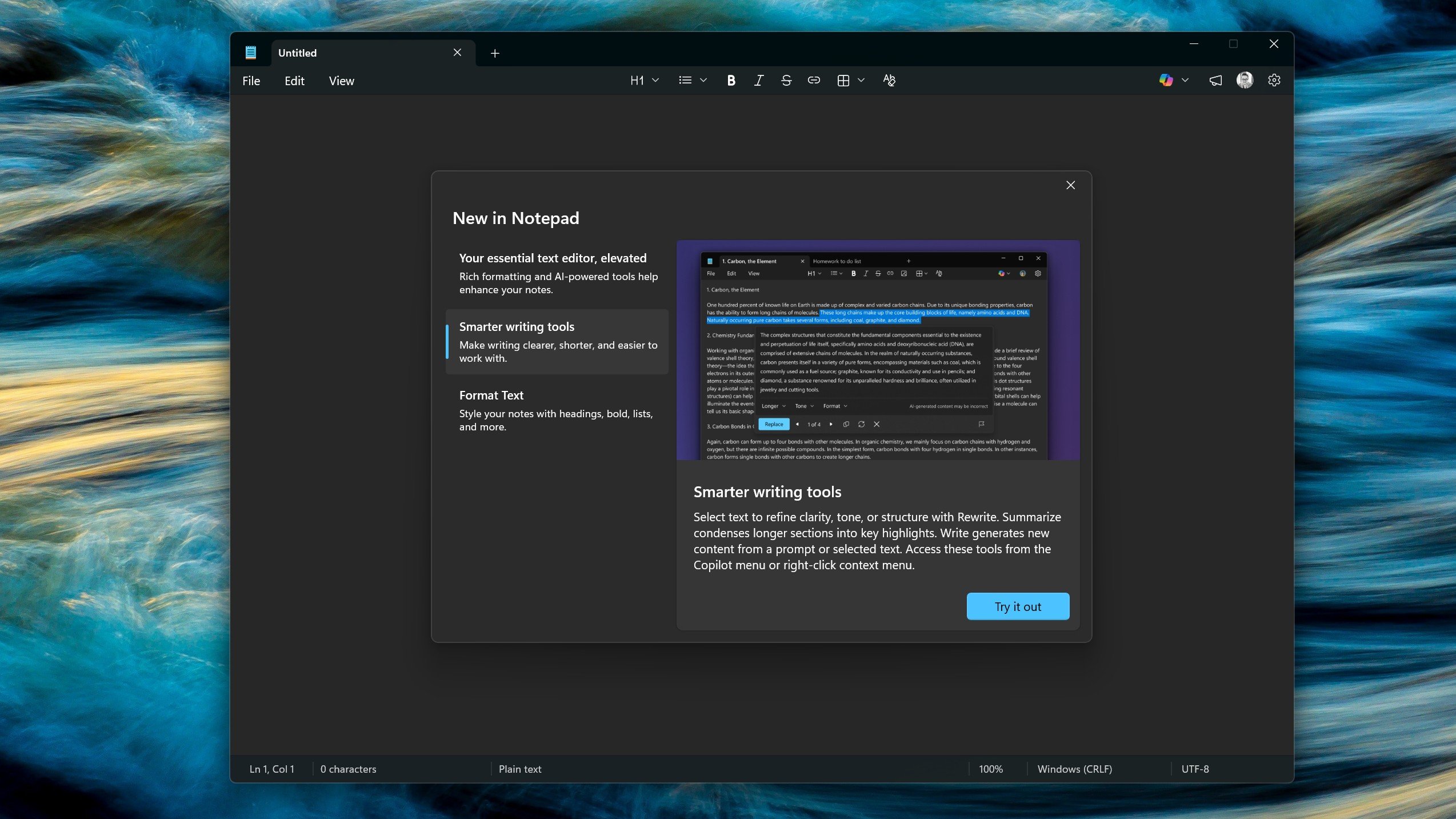
In the months that followed, Microsoft aggressively integrated Copilot buttons into built-in apps like File Explorer and Notepad, often in ways users found unnecessary or poorly implemented. This "AI everywhere" approach soured many Windows users on Microsoft's AI efforts, creating a wave of negative sentiment around Windows 11.
The breaking point came in November when Windows president Pavan Davuluri tweeted about Windows evolving into an "agentic OS." The response was overwhelmingly negative, with thousands of users rejecting the vision of an AI-dominated operating system.
According to sources familiar with Microsoft's plans, the company is now taking a more measured approach. Copilot integrations in apps like Notepad and Paint are under review, with potential changes ranging from complete removal to rebranding without the Copilot name. Microsoft has also paused work on adding additional Copilot buttons to built-in apps, at least temporarily.
Windows Recall, which Microsoft internally acknowledges has "failed" in its current form, is also being reevaluated. While the company isn't abandoning the concept entirely, it's exploring ways to evolve the feature, possibly under a different name.
Not all AI initiatives are being scaled back. Microsoft continues to invest in under-the-hood AI technologies like Semantic Search, Agentic Workspace, Windows ML, and Windows AI APIs. The company believes these developer-focused tools remain important for positioning Windows as a competitive platform for AI development.
This strategic pivot represents a significant acknowledgment from Microsoft that its aggressive AI integration strategy alienated users. The company appears to be shifting from an "AI everywhere" approach to one focused on meaningful, useful features that enhance rather than disrupt the Windows experience.
The timing is notable as Microsoft works to "fix" Windows 11 in 2025. Streamlining AI integrations and being more deliberate about where Copilot appears could be an early signal to users that the company is listening to feedback and willing to course-correct.
For Windows users who felt overwhelmed by forced AI features, this represents a victory. Microsoft's willingness to pull back suggests the company recognizes that successful AI integration requires subtlety and user choice rather than blanket implementation.
Whether this represents a permanent shift or a temporary pause remains to be seen. But for now, Microsoft appears to be choosing user experience over AI evangelism in its flagship operating system.

Comments
Please log in or register to join the discussion