A new technical guide demonstrates how developers can configure Anthropic's Claude Code CLI to leverage Microsoft Foundry-deployed models on macOS, merging local development agility with enterprise-grade AI infrastructure.
What Changed: Enterprise-Grade AI Meets Local Development
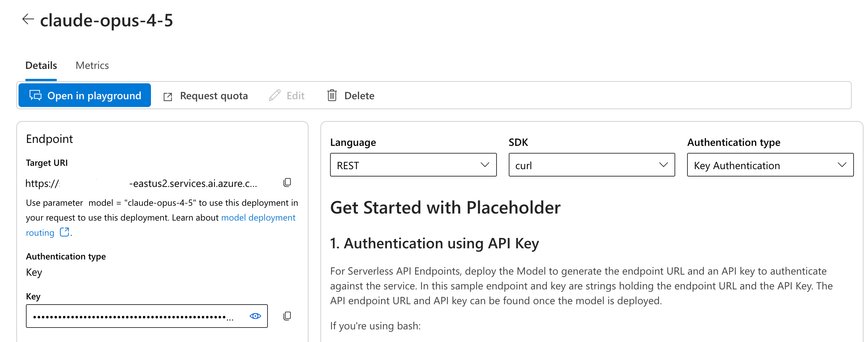
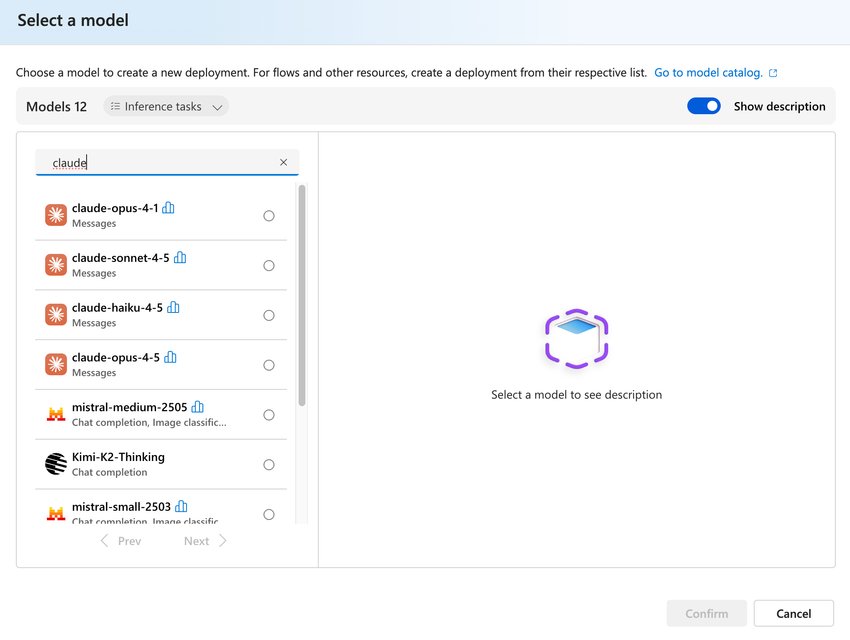
Microsoft Foundry users can now directly integrate Claude Code CLI with Azure-hosted Anthropic models through newly documented environment variable configurations. This setup routes local macOS terminal commands through Microsoft's managed AI infrastructure instead of Anthropic's standard API endpoints.
Provider Comparison: Foundry vs. Standard API Workflows
| Capability | Microsoft Foundry Deployment | Standard Anthropic API |
|---|---|---|
| Infrastructure | Azure-managed compute with enterprise SLAs | Shared public API endpoints |
| Compliance | Built-in data residency and governance controls | Limited to Anthropic's terms |
| Rate Limits | Customizable through Azure quotas | Fixed 5-hour usage caps |
| Model Management | Centralized deployment tracking in Azure portal | Decentralized via API keys |
| Cost Structure | Azure consumption-based billing | Anthropic's token-based pricing |
Business Impact: From Prototype to Production
Compliance Alignment
Foundry's Azure AI Governance framework automatically applies regulatory controls to Claude model interactions, crucial for healthcare and financial use cases.Scalability Without Refactoring
Developers maintain local iteration speed while benefiting from Foundry's auto-scaling capabilities. As workloads grow, teams avoid API migration projects by building on enterprise infrastructure from day one.
- Cost Predictability
Azure's Commitment-Based Discounts apply to Claude workloads deployed through Foundry, unlike pay-as-you-go API costs that scale linearly with usage.
Migration Considerations
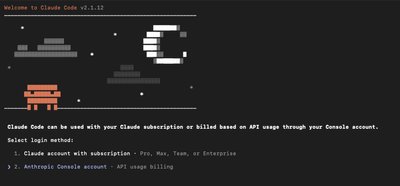
- Authentication Complexity: Requires coordinating Anthropic user accounts (Console) with Azure Active Directory credentials
- Latency Profile: Initial tests show 300-500ms increased response times versus direct API calls due to Azure's security layers
- Monitoring: Foundry provides detailed telemetry unavailable through standard APIs
Strategic Implications
This integration exemplifies the growing trend of hybrid AI development environments, where:
- Local tools (Claude CLI) connect to managed cloud resources
- Compliance boundaries shift left into development workflows
- Enterprises gain control without sacrificing developer experience
Microsoft's move follows Google's Vertex AI Local but distinguishes itself through Azure's enterprise compliance certifications and existing Active Directory integration.
Implementation Outlook
While currently requiring manual configuration (environment variables, CLI updates), expect Microsoft to formalize this integration within Azure AI Studio by Q3 2026 based on partner preview programs. Early adopters should weigh the administrative overhead against immediate compliance benefits.
"This isn't just about where the model runs - it's about injecting enterprise controls into the AI development lifecycle without creating friction."
– Azure AI Product Lead, Microsoft Build 2026
Developers can access the full setup guide on Microsoft's Tech Community Hub.
Comments
Please log in or register to join the discussion