Microsoft commits $50 billion by 2030 for AI expansion across developing economies, including $17.5B in India, raising questions about implementation feasibility and tangible impact beyond corporate cloud growth.
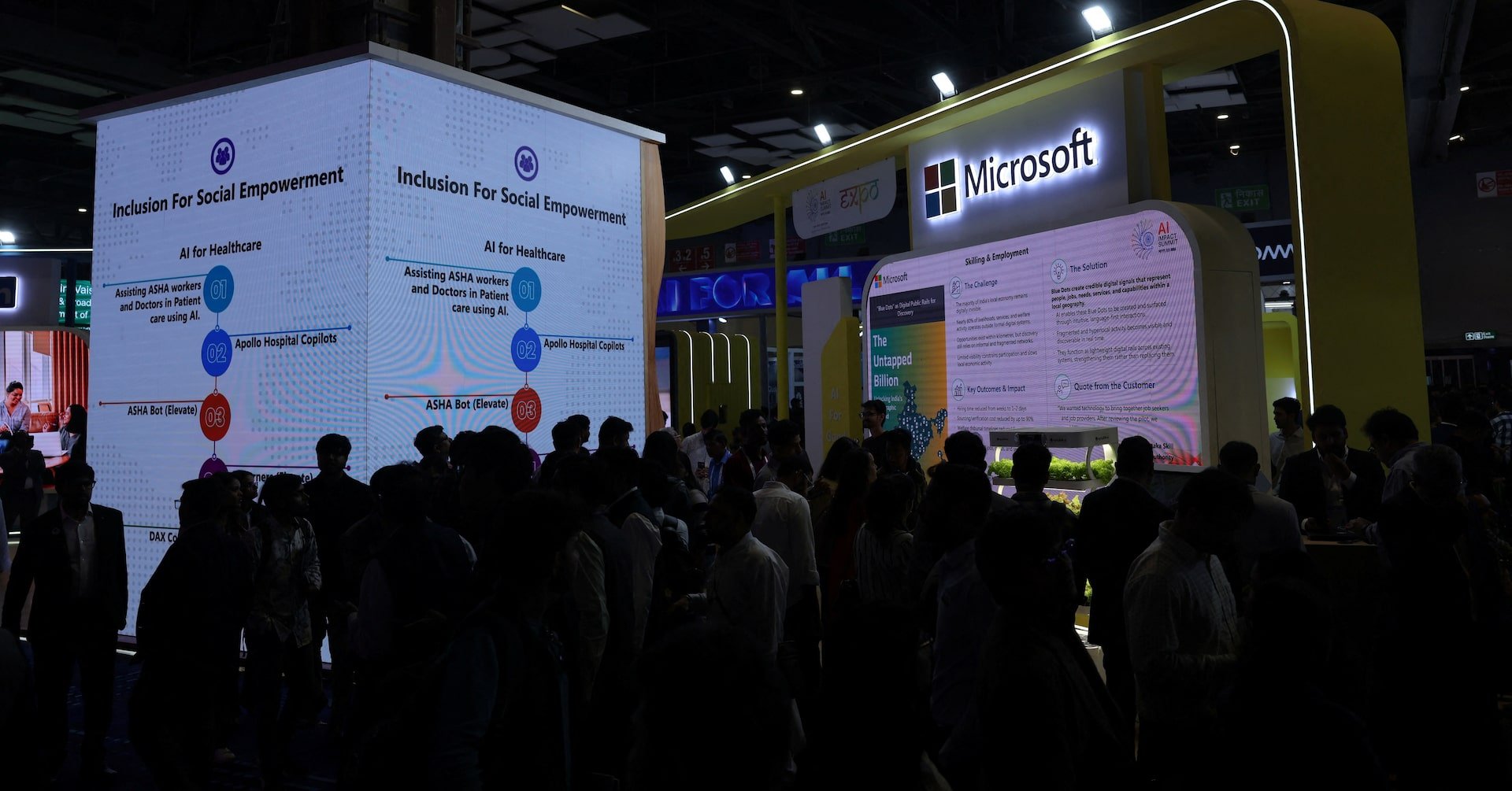
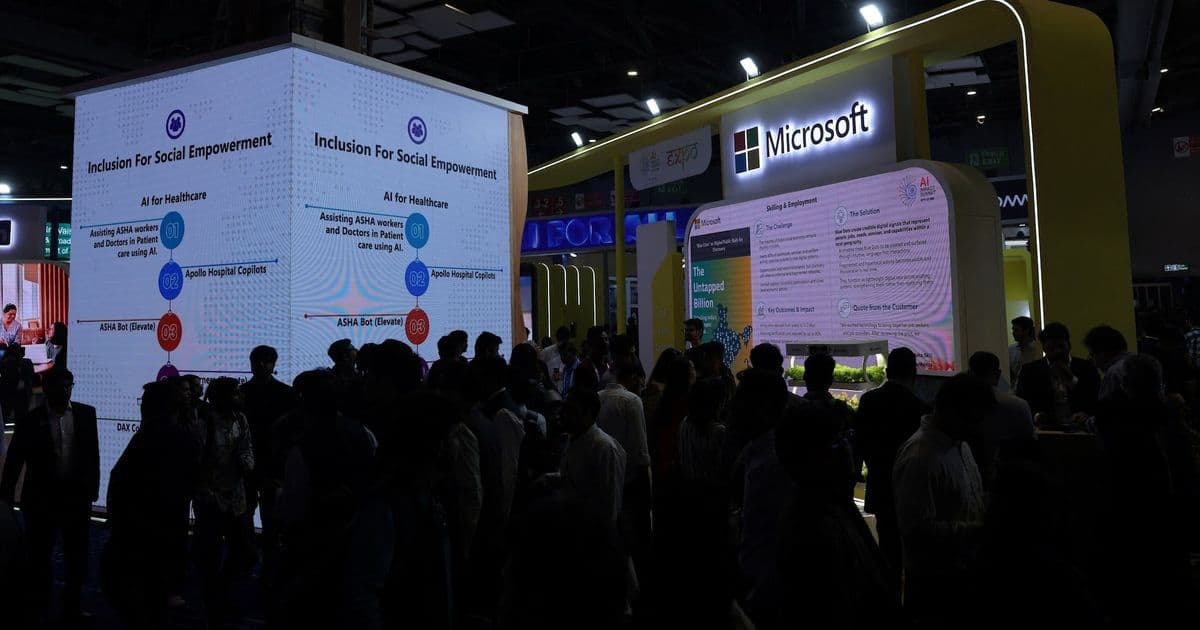
Microsoft announced plans to invest $50 billion by 2030 to accelerate artificial intelligence adoption across the 'Global South' – a term encompassing economically developing regions across Africa, Latin America, and Asia excluding advanced economies like China. This follows the company's $17.5 billion commitment to India-specific AI infrastructure unveiled in 2025. While framed as a global development initiative, the announcement warrants scrutiny regarding its technical substance, implementation roadmap, and alignment with Microsoft's commercial interests.
The Claims Versus Substance Microsoft states the funding will support three pillars: cloud/data center expansion, AI skills training, and local application development. The India investment specifically targets Azure cloud regions, AI skilling for 2 million people, and partnerships with firms like Sarvam AI developing Indic-language models. At face value, this represents the largest single-nation AI commitment by a Western tech firm. However, the announcement lacks granular detail on:
- Specific infrastructure locations beyond India
- Hardware deployment plans (e.g., NVIDIA GPU allocations)
- Measurable benchmarks for 'AI adoption'
- Breakdown between capital expenditure (data centers) versus grants/education
Contextualizing the Investment The $50B figure appears substantial but represents approximately 7% of Microsoft's projected $700B+ revenue during this period. Its India commitment ($17.5B over 5 years) aligns with previous Azure expansions but doesn't exceed Amazon's $15B or Google's $10B India investments. Crucially, nearly all funds flow back to Microsoft's ecosystem: Azure consumption credits, certification programs locking users into Microsoft tools, and partnerships requiring Azure integration. This mirrors the company's strategy in other markets where 'investment' primarily drives cloud revenue.
Implementation Challenges Several structural limitations complicate execution:
- Power Infrastructure: AI data centers require 30-50MW per facility – unsustainable in regions like sub-Saharan Africa where grid reliability remains problematic. Microsoft's Nevada geothermal deal highlights this core dependency.
- Connectivity Gaps: Reliable broadband penetration remains below 40% in target regions, limiting real-time AI application utility.
- Regulatory Fragmentation: Countries like Brazil, Nigeria, and India have diverging data sovereignty laws, complicating centralized cloud deployment.
- Talent Pipeline: 'Upskilling' programs often overlook that quality AI development requires advanced STEM foundations still lacking in many public education systems.
Strategic Drivers This initiative coincides with Microsoft's intensifying battle for cloud market share in high-growth regions:
- Azure faces pressure from Google's TPU-based inference optimizations and Amazon's Trainium chips lowering training costs
- Local competitors like India's Yotta (deploying 16,000 NVIDIA Blackwell GPUs) threaten hyperscaler dominance
- Political goodwill from 'development' narratives helps navigate regulatory scrutiny on data flows and competition
Unanswered Questions Absent from Microsoft's announcement:
- How much investment addresses foundational issues like electricity access versus deploying Azure services
- Whether local partners retain IP rights for co-developed solutions
- Concrete metrics for 'AI impact' beyond Azure usage statistics
- Provisions for open-source model support versus Azure-exclusive dependencies
Broader Implications The pledge signals hyperscalers' recognition that emerging markets represent the next major cloud battleground. However, without parallel investments in power grids, education systems, and policy harmonization, such initiatives risk becoming subsidized customer acquisition tools rather than genuine capacity builders. As NVIDIA's Blackwell GPUs begin deployment in India via Yotta and Microsoft's own data centers, the tangible outcomes – beyond revenue growth for Azure – will determine whether this $50B commitment transforms local economies or merely exports existing cloud dynamics to new territories.
Comments
Please log in or register to join the discussion