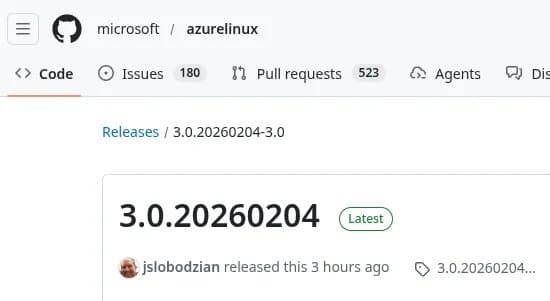
Microsoft's Azure Linux 3.0.20260204 release brings Linux 6.12 HWE kernel support and ARM64 performance optimizations, though still defaults to aging Linux 6.6 LTS.
Microsoft has released Azure Linux 3.0.20260204, delivering a mix of long-awaited kernel updates and performance optimizations for their cloud-optimized Linux distribution. The update arrives as the Linux 6.6 LTS kernel that Azure Linux defaults to shows its age, with two newer LTS releases (6.12 and 6.18) and the upcoming Linux 7.0 already available.
Linux 6.12 HWE Kernel Arrives as Opt-In Option
The most significant addition in this release is the introduction of a Linux 6.12 kernel as a hardware enablement (HWE) option. Microsoft has published a Gen1 marketplace image featuring this newer kernel for users requiring the latest hardware support.
This move addresses growing concerns about Azure Linux's aging kernel baseline. With Linux 6.6 LTS now over a year old and two subsequent LTS releases available, many users have been requesting access to newer kernel features and hardware compatibility.
Interestingly, Microsoft chose to jump to Linux 6.12 rather than the more recent Linux 6.18 LTS. While this decision provides users with a newer kernel option, it leaves some wondering why Microsoft didn't adopt the latest LTS release. The 6.12 kernel still offers substantial improvements over 6.6, including better hardware support, security enhancements, and performance optimizations.
ARM64 Performance Tuning
For ARM64 users, Azure Linux 3.0.20260204 includes significant kernel tuning aimed at improving performance. The ARM64 HWE kernel configuration has been adjusted with several key changes:
- DevFreq and IOMMU adjustments: These changes optimize power management and device memory access for ARM64 architectures
- MLRU (Multi-Level Read Cache) enabled: This feature improves memory management efficiency on ARM64 systems
- Various other ARM64-specific optimizations: Additional tuning for the kernel-hwe package on ARM64 platforms
These ARM64-specific improvements demonstrate Microsoft's continued investment in optimizing their Linux distribution for the growing ARM64 ecosystem in cloud computing.
Additional Improvements and Updates
Beyond the kernel updates, Azure Linux 3.0.20260204 includes several other notable changes:
- Zstd SquashFS support enabled by default: The standard kernel now uses Zstandard compression for SquashFS filesystems, offering better compression ratios and performance compared to traditional methods
- Rust 1.90 integration: The latest Rust compiler toolchain is now available, supporting modern Rust development on Azure Linux
- Security-focused package updates: Dozens of package updates primarily focused on shipping security fixes
- Various bug fixes: General improvements and stability enhancements across the distribution
Context and Implications
Microsoft's decision to maintain Linux 6.6 LTS as the default kernel while offering Linux 6.12 as an HWE option reflects a conservative approach to kernel management in production cloud environments. This strategy prioritizes stability and thorough testing over cutting-edge features.
However, the aging default kernel raises questions about Azure Linux's competitiveness with other cloud-optimized distributions that have moved to newer kernel versions. As hardware vendors continue to innovate and security threats evolve, the kernel baseline becomes increasingly important for cloud performance and security.
The ARM64 optimizations are particularly noteworthy given the growing adoption of ARM-based instances in cloud environments. Microsoft's focus on ARM64 performance tuning suggests they're positioning Azure Linux to compete effectively in this expanding market segment.
Availability
Azure Linux 3.0.20260204 is available now through Microsoft's standard distribution channels. Users can access the Linux 6.12 HWE kernel through the Gen1 marketplace image, while the standard installation continues to use Linux 6.6 LTS with the option to upgrade to the HWE kernel.
For detailed information about the changes, users can refer to the official GitHub repository where Microsoft maintains release notes and documentation for Azure Linux.

Comments
Please log in or register to join the discussion