Microsoft has implemented revised pay guidelines allowing exceptions to standard compensation bands for new hires, a strategic move aimed at securing top tech talent in a competitive market. This policy, effective until at least 2025, signals a significant shift in how the tech giant approaches talent acquisition amidst ongoing industry salary pressures.
In a strategic maneuver to navigate the fiercely competitive battle for elite technical talent, Microsoft has instituted updated pay guidelines granting managers significant flexibility to exceed standard compensation bands when making offers to new hires. This policy, confirmed to be in effect until at least 2025, represents a notable departure from stricter historical norms and underscores the intense pressure tech giants face to attract specialized engineers, AI researchers, cloud architects, and cybersecurity experts.
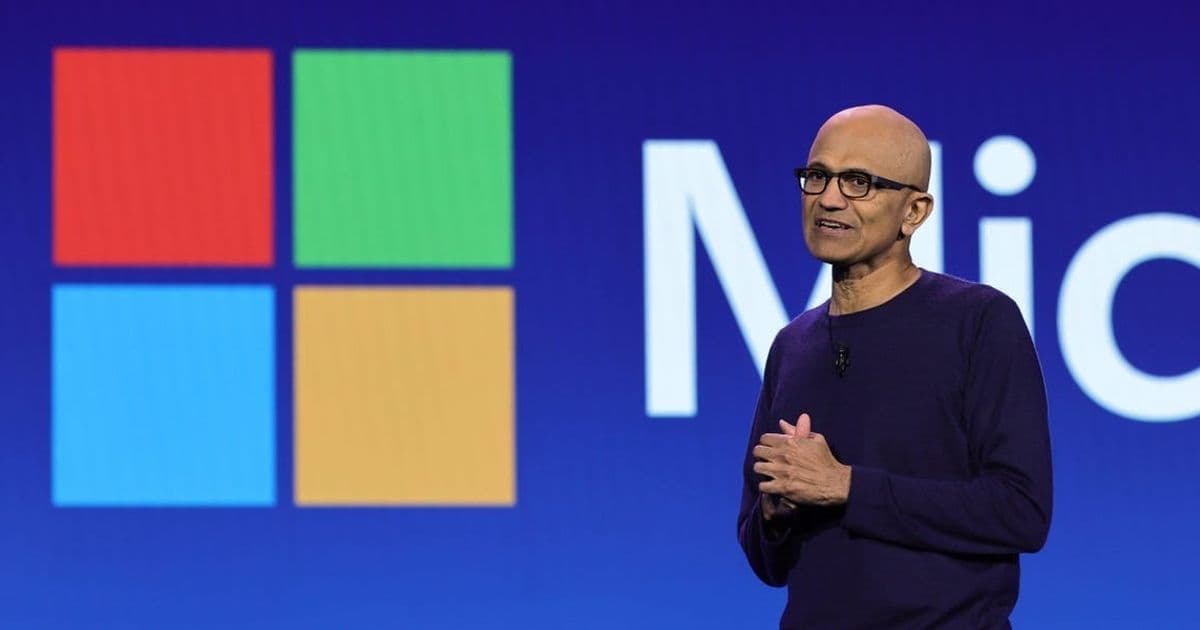
{{IMAGE:3}} Microsoft CEO Satya Nadella. The company's revised pay guidelines reflect the intense competition for specialized technical talent. Credit: Ethan Miller
Internal communications reviewed by Business Insider detail that managers can now secure approvals to offer salaries above established pay ranges for specific roles deemed critical or highly competitive. While Microsoft maintains base compensation structures, this exception process provides crucial leeway to counter aggressive offers from rivals like Google, Amazon, and well-funded startups, particularly in high-demand domains such as artificial intelligence and cloud infrastructure.
Why Flexibility Matters Now:
- The AI & Cloud Talent Crunch: Demand for expertise in generative AI, large language models, and specialized cloud services far outstrips supply, creating intense bidding wars.
- Retention Pressures: Securing top talent upfront is increasingly seen as more efficient than costly retention battles later. Competitive initial offers are a key deterrent against poaching.
- Market Realism: Rigid pay bands risk becoming quickly outdated in a market where compensation for niche skills can escalate rapidly.
"This isn't about blanket salary increases," observes a tech industry compensation analyst familiar with such policies. "It's surgical precision. Microsoft is empowering its hiring managers to identify the truly mission-critical roles – the AI research scientist, the principal cloud security architect, the lead developer on a next-gen Azure service – and giving them the ammunition to win those specific battles, even if it means bending the usual rules. It’s a pragmatic response to market irrationality in key segments."
The policy explicitly runs through 2025, suggesting Microsoft anticipates sustained competition for elite talent over the next 18 months. This move also signals a potential industry trend towards greater compensation agility. While offering flexibility, Microsoft emphasizes that internal equity and overall compensation philosophy remain core principles, requiring robust justification for exceptions. The long-term impact on internal salary bands and morale among existing employees receiving offers below what new hires command in the same role remains a delicate balance the company must manage.
Microsoft's calculated shift highlights a fundamental truth in today's tech landscape: for the engineers and developers building the future, especially in transformative fields, the rules of compensation negotiation are being rewritten in real-time, with flexibility becoming a strategic imperative for the industry's biggest players. The effectiveness of this approach will be measured not just in hiring successes, but in how seamlessly these high-value recruits integrate and drive innovation forward within the existing framework.
Comments
Please log in or register to join the discussion