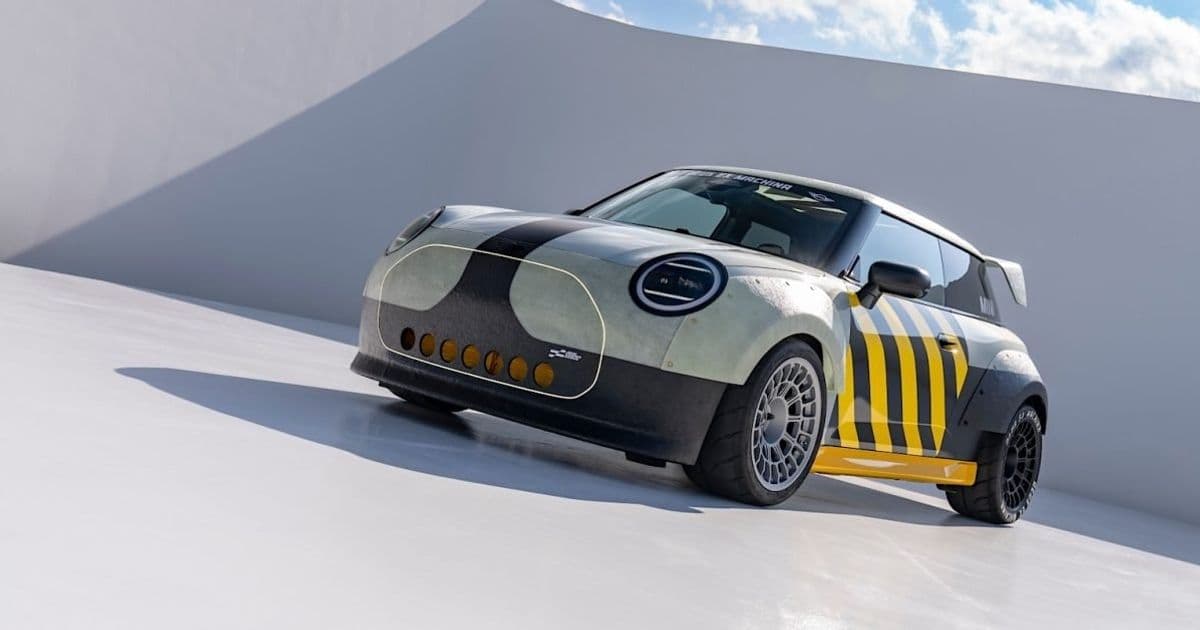
MINI and Deus Ex Machina unveil the Skeg electric concept car, shedding 15% weight through strategic fiberglass replacements while maintaining 258hp power. The collaboration merges motorsport heritage with surf-inspired functional minimalism, reimagining EV interior design paradigms.
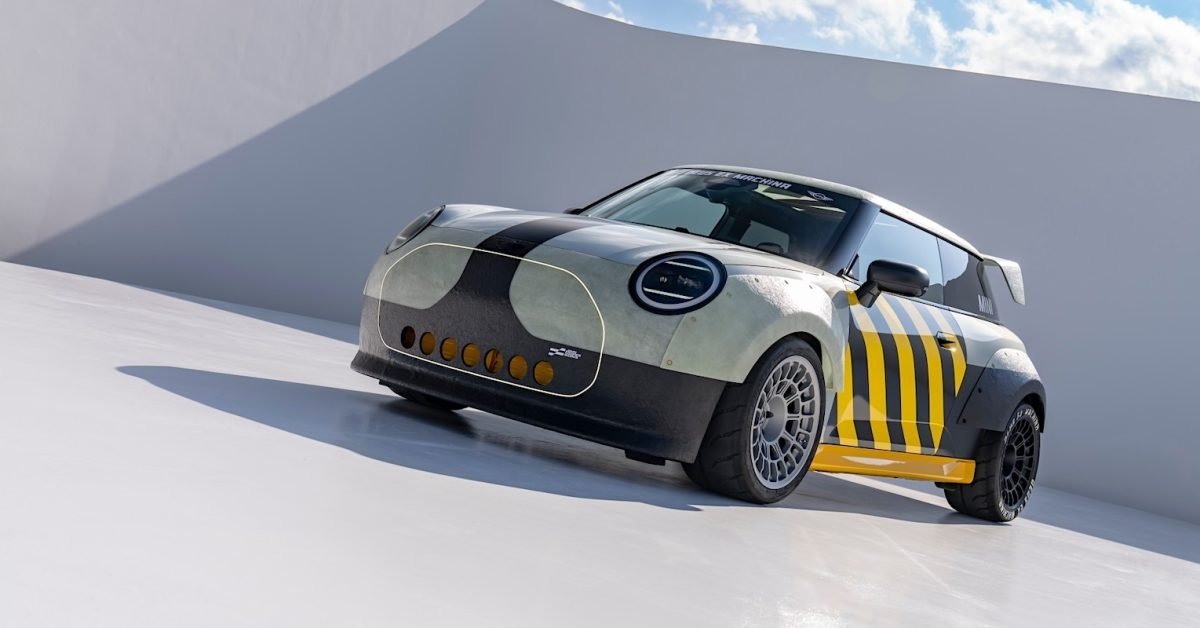
In a bold fusion of automotive engineering and lifestyle aesthetics, MINI has partnered with cult design house Deus Ex Machina to create the Skeg—a radical electric concept car that sheds conventional design principles along with 15% of its mass. Based on MINI's John Cooper Works platform, this one-off prototype demonstrates how targeted material substitutions can unlock performance gains even in production-adjacent EVs.
The Weight-Shedding Formula
At its core, the Skeg's engineering philosophy prioritizes mass reduction through strategic material swaps. Engineers replaced steel and aluminum components with lightweight fiberglass composites, achieving a 15% overall weight reduction compared to the standard JCW EV. Crucially, this diet occurs while retaining the production model's 54.2 kWh battery pack and 190 kW (258 hp) electric powertrain. The payoff? Projected 0-100 km/h acceleration drops below 5.5 seconds (from 5.9s) and WLTP range increases beyond 255 miles.
Surf Culture as Design Framework
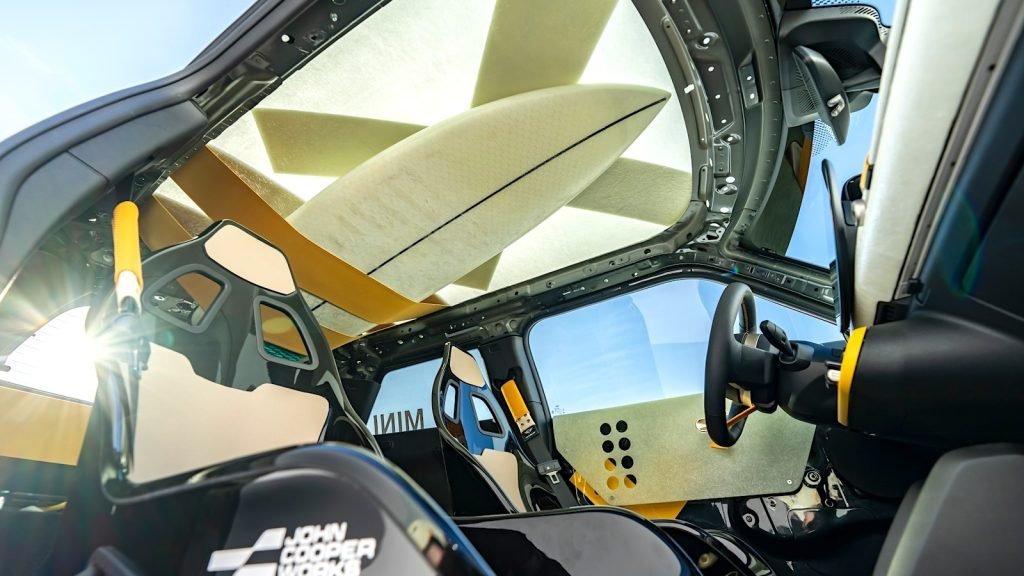
What makes the Skeg remarkable isn't just its engineering—it's how Deus Ex Machina translated surf culture's functional minimalism into automotive design. The interior strips away non-essentials, featuring:
- Fiberglass storage trays molded for wetsuits
- Neoprene-upholstered seats resisting saltwater exposure
- Custom bins shaped for surf gear
- Eliminated panels exposing structural composites
"Every detail crafts a mobile surf shop," explains Holger Hampf, Head of MINI Design. "This collaboration merges artisanal precision with a quiet rebellion against excess."
The Composite Conundrum
While the surf theme dominates marketing narratives, the Skeg's real significance lies in its exploration of sustainable performance. Fiberglass composites offer weight savings but present manufacturing scalability challenges. As automakers pursue efficiency gains, this concept demonstrates how targeted material substitutions—even without breakthrough battery tech—can yield tangible improvements. The exposed interior composites also challenge traditional cabin aesthetics, questioning whether EVs need wood veneers and leather when performance itself becomes the luxury.
The Skeg remains a design study, but its weight-reduction approach signals where production EVs may evolve. As battery energy density improvements plateau, strategic lightweighting could become the next frontier in extending range and performance—with or without the wetsuit storage.
SOURCE | IMAGES: BMW MINI.
Comments
Please log in or register to join the discussion