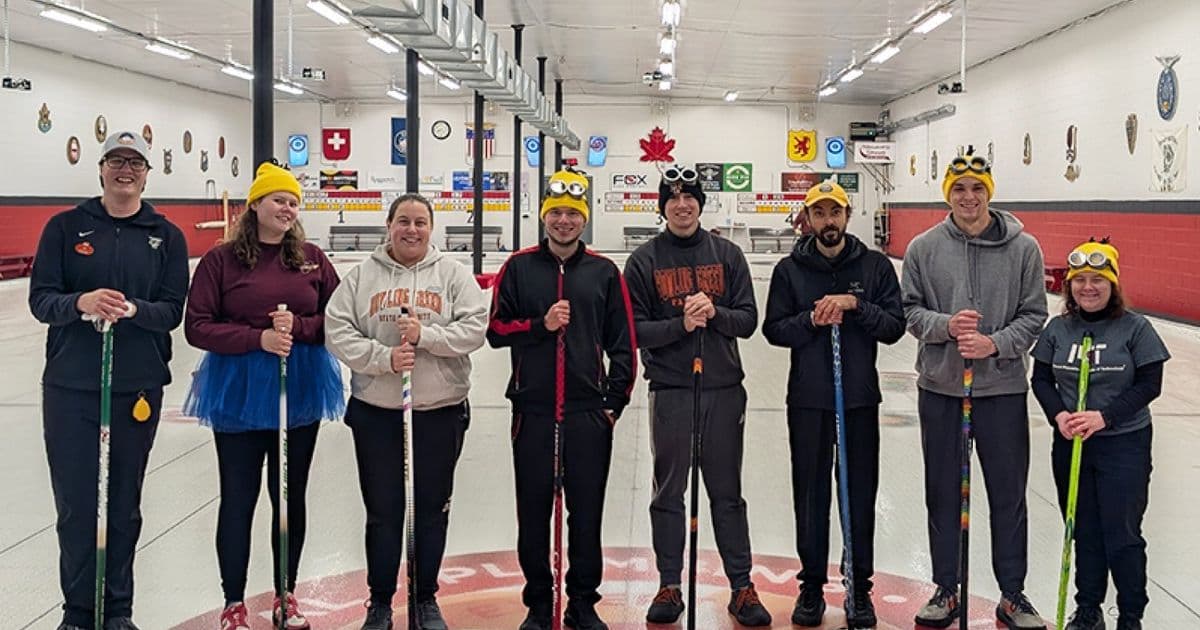
As the 2026 Winter Olympics begin, MIT's curling and figure skating clubs are hosting watch parties and celebrating their sports, with members sharing how Olympic exposure brings new enthusiasts to their lifelong activities.
As the Milano Cortina 2026 Winter Olympics officially kick off today, MIT's winter sports clubs are experiencing a surge of excitement and renewed energy. The MIT Curling Club and Figure Skating Club are not only hosting watch parties to cheer on their favorite athletes but are also using this global spotlight to welcome new members and showcase their beloved sports.
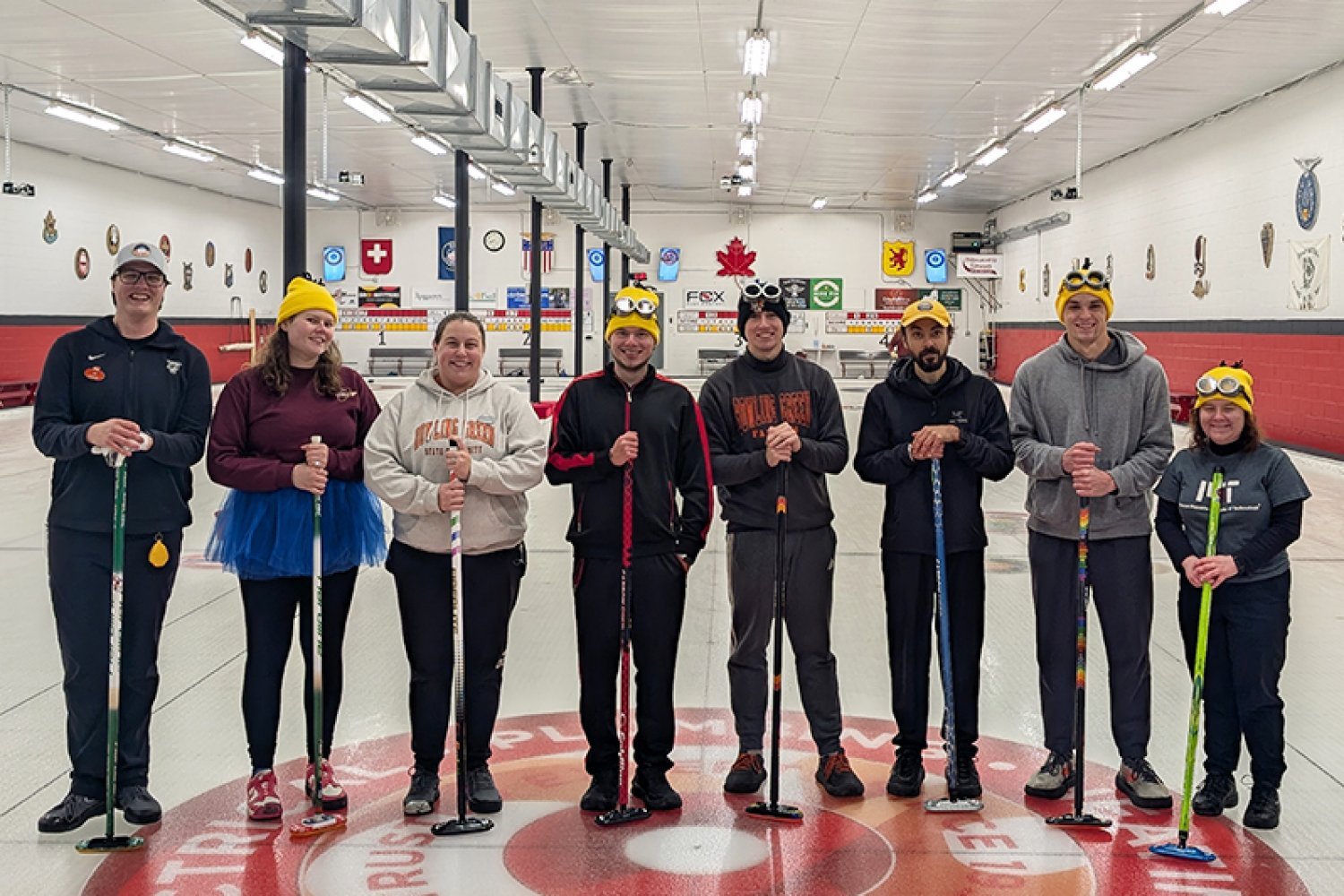
Curling Club: Strategy Meets Community
The MIT Curling Club, co-led by Polly Harrington and Gabi Wojcik, is hosting gatherings to support their favorite teams during the Olympics. Harrington, who first discovered curling during the Vancouver Olympics, describes her immediate connection to the sport: "Seeing it live was really cool. I was hooked."
Wojcik emphasizes why curling resonates so strongly with MIT students: "It's a very analytical and strategic sport, so it's perfect for MIT students. Physicists still don't entirely agree on why the rocks behave the way they do."
The club practices and competes in New England tournaments from late September through mid-March, welcoming newcomers without any prior experience. Both co-presidents agree that the sport offers unique benefits beyond competition.
"Everyone in the club is welcoming and open to teaching new people to play. I'd never played before and learned from scratch," says Wojcik. "The other advantage of playing is that it is a lifelong sport."
Harrington met members of the U.S. men's curling team, Luc Violette and Ben Richardson, during her high school curling days in Seattle and will be cheering them on. While Wojcik hopes for strong American performances, she admits she'll also be happy if Scotland wins, given the sport's deep Scottish roots.
One common misconception the club members address is that curling is played on ice skates. "It's neither easy nor played on skates," Harrington clarifies. The granite stones, weighing 43 pounds each and made from weathered Scottish granite, require precision and teamwork rather than skating skills.
Figure Skating Club: Grace, Discipline, and Community
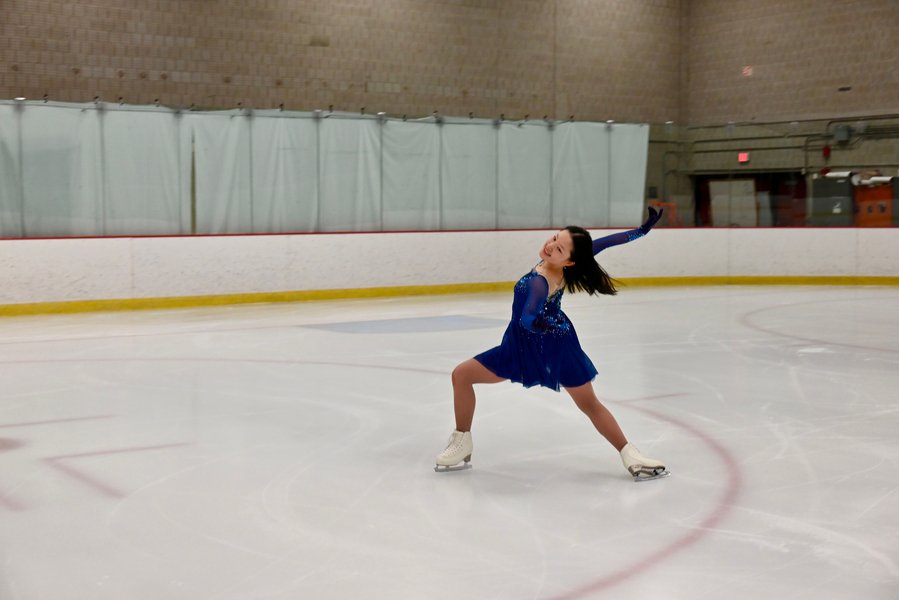
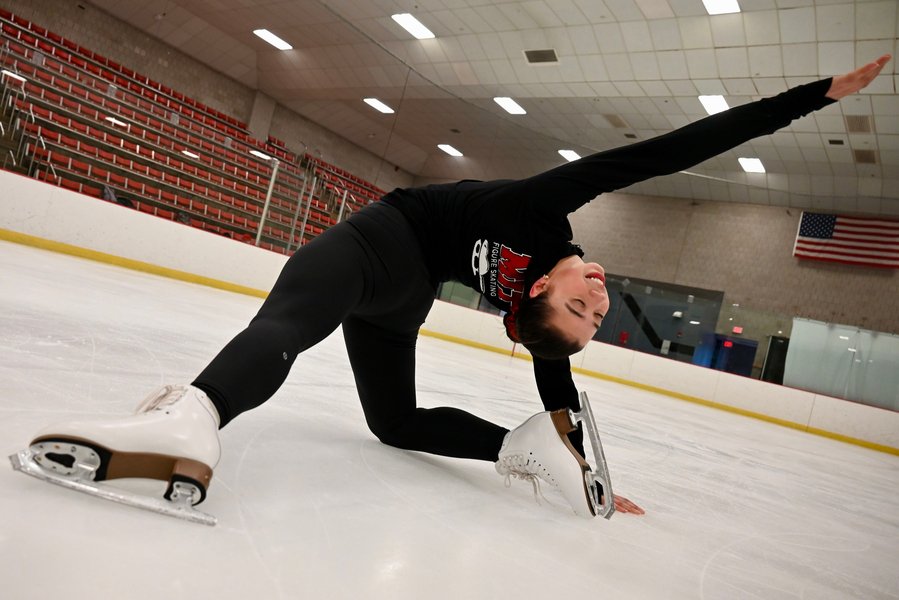
The MIT Figure Skating Club, with 120 members ranging from former national competitors to complete beginners, is equally enthusiastic about the Olympic Games. Current president Eleanor Li and former president Amanda (Mandy) Paredes Rioboo have been watching preliminary events leading up to the games with great anticipation.
Li began skating lessons at age 14 and has been passionate about the sport ever since. Paredes Rioboo started even earlier, at age 5, and practices with other club members in the mornings. "There is no better way to start the day," she says.
Both leaders emphasize how the Olympics generate excitement and curiosity around skating, potentially bringing new members to their Saturday free group lessons. Li explains, "We're excited to hopefully see more people come to our Saturday free group lessons, try skating for the first time, and maybe even join the club."
The club welcomes any MIT student, regardless of skill level. Li notes, "We have members ranging from former national and international competitors to people who are completely new to the ice."
For Li, the appeal of skating goes beyond athletic achievement: "The freeing feeling of wind coming at you when you're gliding across the ice! And all the life lessons learned — time management, falling again and again, and getting up again and again, the artistry and expressiveness of this beautiful sport, and most of all the community."
Paredes Rioboo echoes these sentiments, adding that skating taught her valuable life skills: "The sport taught me discipline, to work at something and struggle with it until I got good at it. It taught me to be patient with myself and to be unafraid of failure."
When it comes to Olympic viewing, Li is particularly excited for women's singles skating, especially Japanese skater Kaori Sakamoto. Paredes Rioboo is looking forward to watching American Alysa Liu and Japanese skater Ami Nakai.
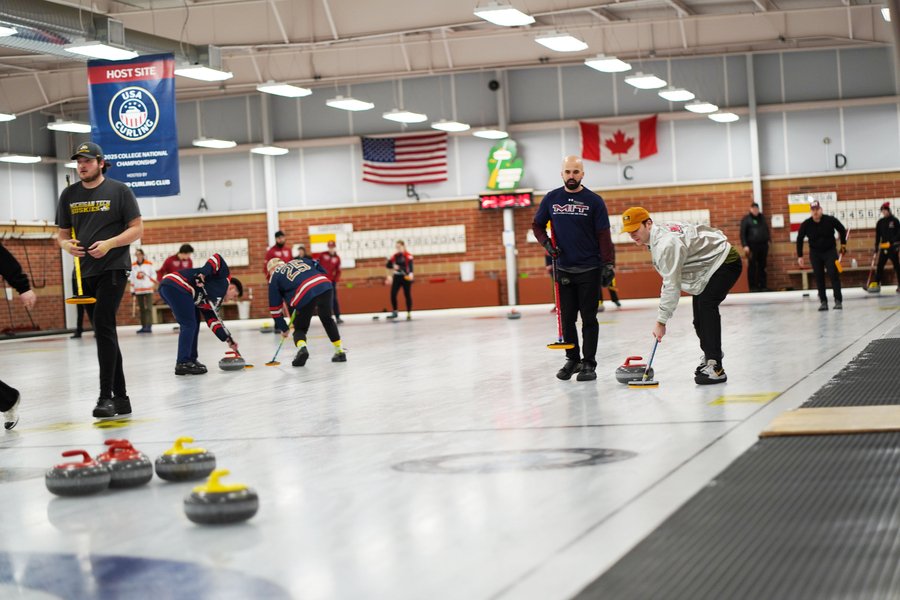
The Olympic Effect on Campus Sports
The timing of the Winter Olympics provides a unique opportunity for these clubs to showcase their sports to the broader MIT community. The Olympic Games serve as a powerful catalyst, introducing winter sports to students who might never have considered trying them.
Both clubs emphasize that their activities offer more than just athletic engagement. They provide community, stress relief, and opportunities to meet people across different departments and years that students might not encounter in their academic pursuits.
As the Olympics continue, MIT's winter sports clubs are poised to welcome new members inspired by the world-class performances they'll witness on screen. Whether it's the strategic precision of curling or the artistic grace of figure skating, these clubs offer MIT students ways to engage with winter sports that extend far beyond the Olympic spotlight.
Students interested in joining either club can find more information through the MIT Division of Student Life website. The Curling Club and Figure Skating Club represent just two examples of how MIT's diverse extracurricular offerings provide balance and community for students immersed in rigorous academic pursuits.
Related Links:
Comments
Please log in or register to join the discussion