COVID-19 mRNA vaccines unexpectedly boost survival rates in cancer patients when combined with immunotherapy, new research reveals. This serendipitous discovery shows how pandemic-era technology could revolutionize treatment for resistant tumors by activating dormant immune responses against cancer.
The Accidental Breakthrough in Oncology
In a stunning scientific twist, the mRNA vaccine technology that helped combat the COVID-19 pandemic now shows extraordinary promise against cancer. New research published in Nature reveals that patients receiving mRNA COVID-19 vaccines alongside immunotherapy exhibited dramatically improved survival rates—more than doubling three-year survival for late-stage melanoma and lung cancer patients. Those with traditionally treatment-resistant tumors saw near fivefold improvement.
"We discovered mRNA can train immune systems to kill tumors—even if the mRNA isn't cancer-specific," explains Dr. Elias Sayour, the University of Florida pediatric oncologist who led the research. "COVID-19 vaccines act like an alarm, triggering the immune system to recognize and destroy tumor cells."
How the Vaccine-Immunotherapy Synergy Works
The study analyzed over 1,000 patients receiving immune checkpoint inhibitors—antibodies that block proteins like PD-1 that tumors use to deactivate T-cells. When combined with mRNA vaccines:
- Priming the Immune Army: The vaccine activates dendritic cells and stimulates broad T-cell responses
- Overcoming Tumor Defenses: Heightened immune alertness counters cancer's immunosuppressive tactics
- Sustained Attack: Checkpoint inhibitors maintain the assault by preventing tumor-induced T-cell exhaustion
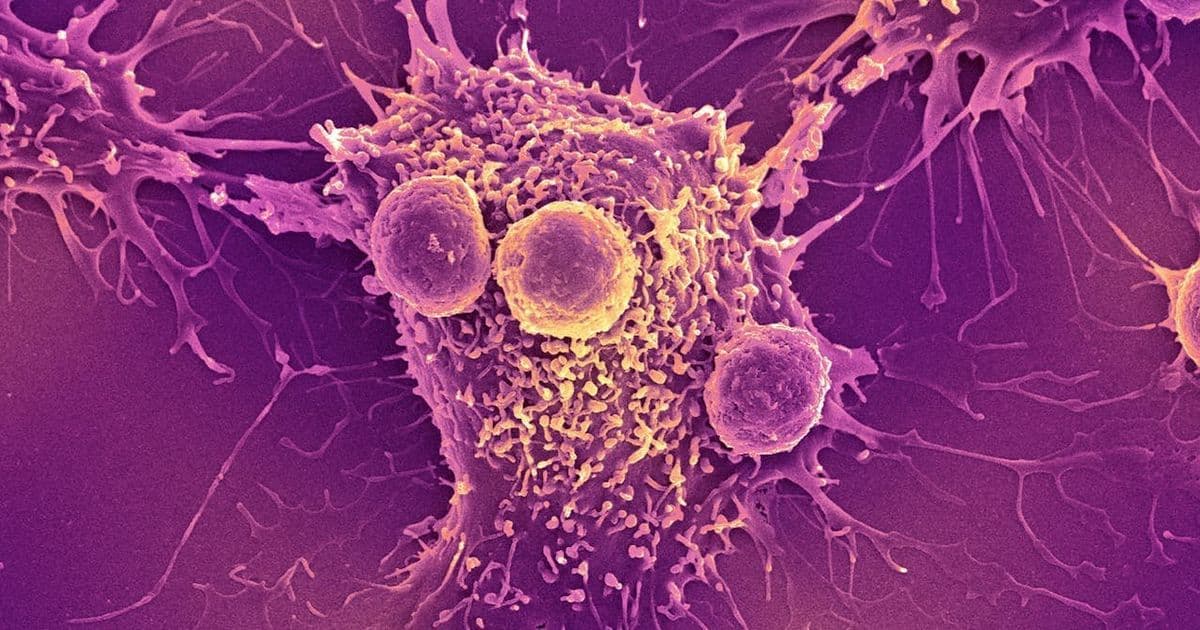
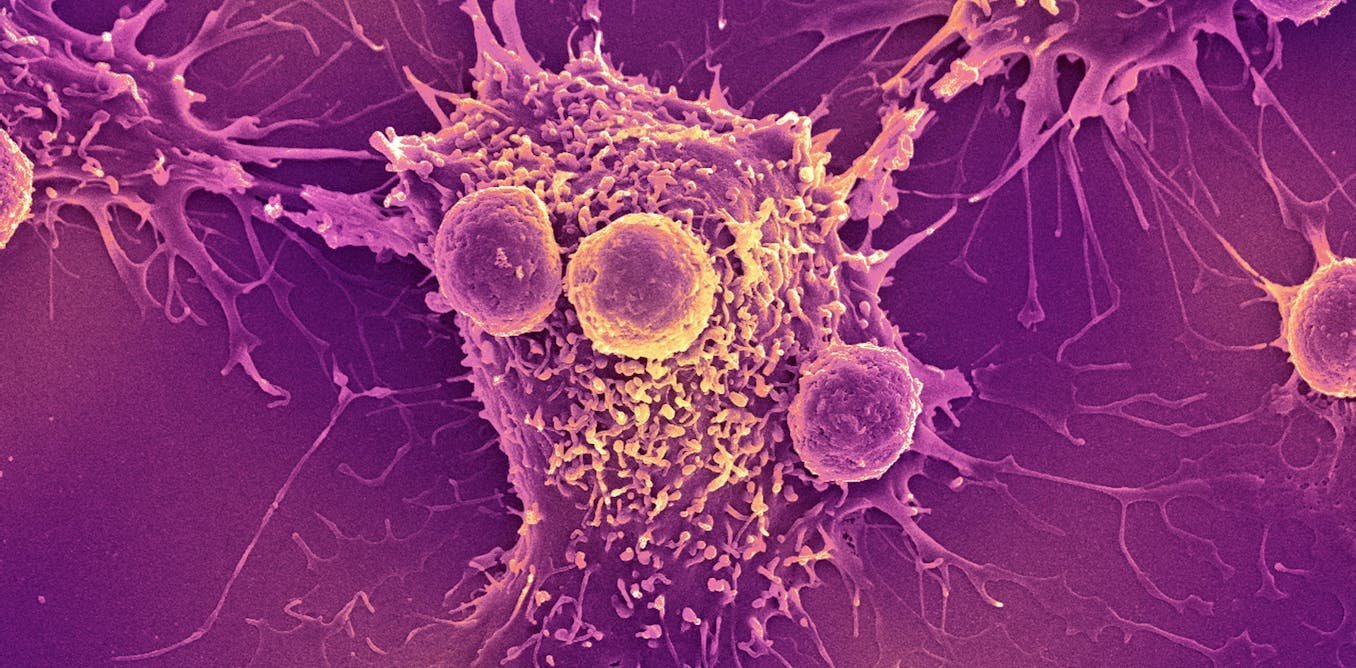
{{IMAGE:4}} Combining immunotherapy with mRNA vaccines could expand treatment accessibility (Thom Leach/Science Photo Library via Getty Images)
Why This Matters for Resistant Cancers
This discovery is particularly significant for "cold" tumors—cancers lacking immune cell infiltration that typically resist immunotherapy:
- Democratizing Treatment: Non-personalized COVID-19 vaccines are globally accessible at low/no cost
- Overcoming Limitations: Avoids complex manufacturing of tumor-specific mRNA vaccines
- Immediate Application: Can be administered at any treatment stage
"These vaccines 'wake up the sleeping giant' of the immune system," says co-author Adam Grippin. "They could extend immunotherapy benefits to millions."
From Pandemic Tool to Cancer Weapon
While personalized cancer vaccines require sequencing tumor mutations and complex bioinformatics, the "off-the-shelf" nature of COVID-19 vaccines offers a pragmatic solution. Researchers are now launching a nationwide randomized trial for lung cancer patients to validate whether mRNA vaccine/checkpoint inhibitor combinations should become standard care.
This unexpected convergence of pandemic technology and oncology exemplifies how cross-disciplinary innovation can rapidly transform patient outcomes. The mRNA platform, stress-tested during global vaccination campaigns, may now help overcome one of immunotherapy's greatest limitations—turning immunologically silent tumors into vulnerable targets.
Source: The Conversation
Comments
Please log in or register to join the discussion