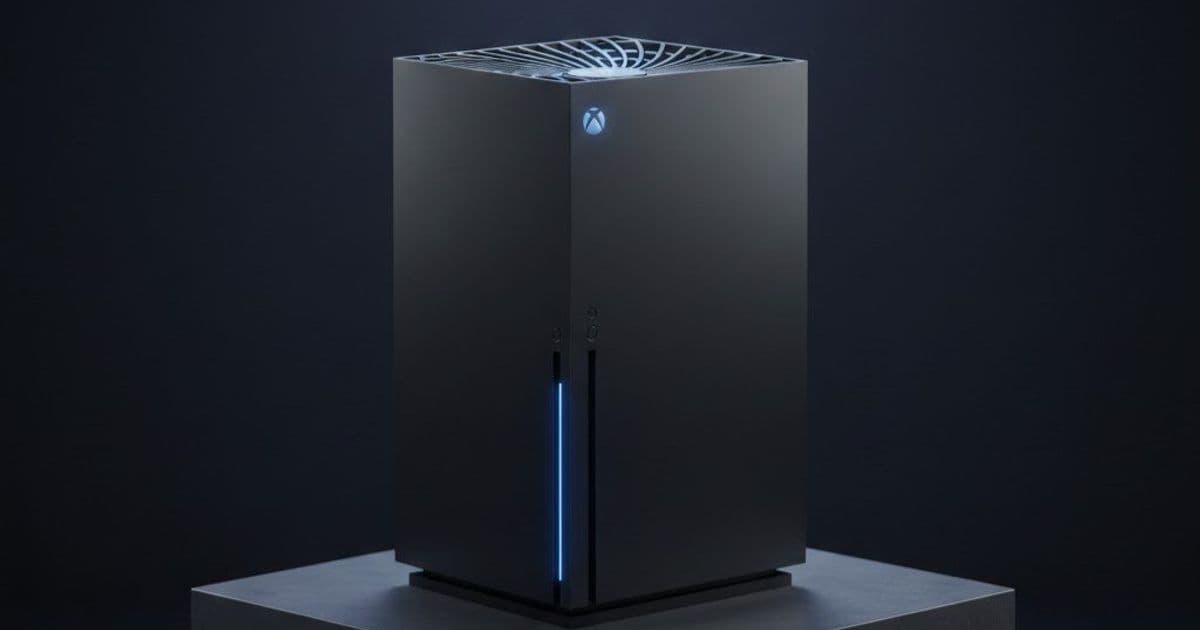
Microsoft's next Xbox console will function as a hybrid Windows PC with Steam support, while third-party manufacturers plan even more powerful alternatives at competitive prices.
Next-Gen Xbox Leaks Reveal PC-Like Console, Partner Devices Aiming Higher
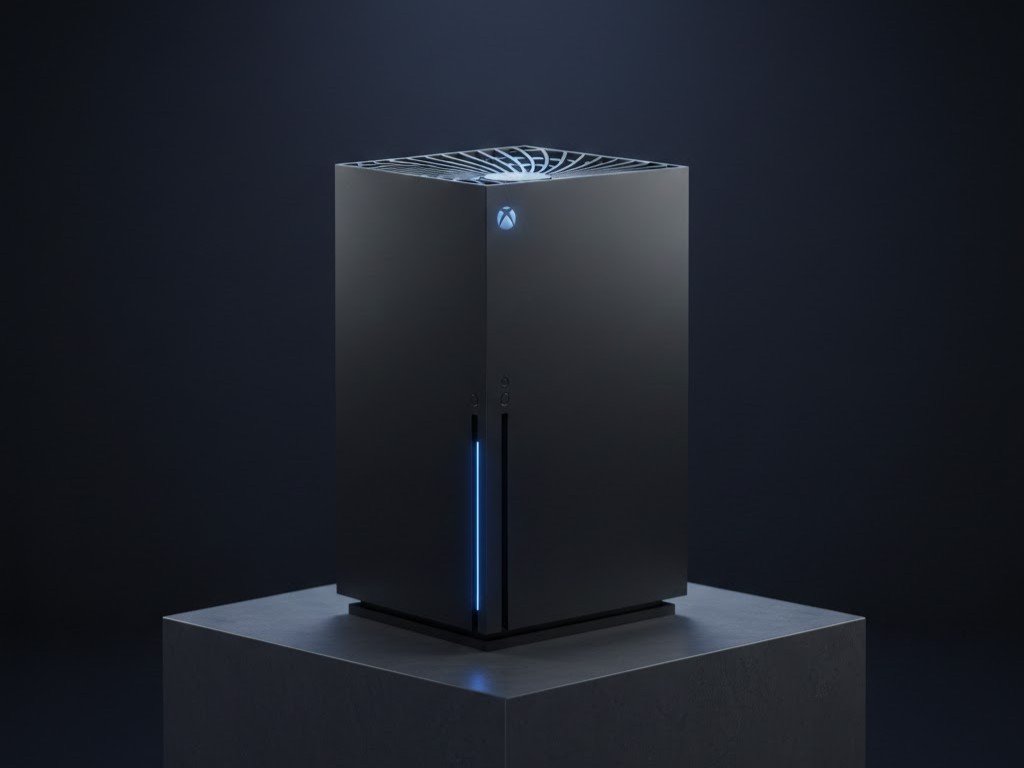
Renowned Xbox insider Jez Corden has revealed substantial new details about Microsoft's next-generation console, codenamed Magnus, painting a picture of a device blurring the lines between traditional console and full Windows PC. According to Corden's sources, the system will run a TV-optimized interface layered atop a full Windows operating system, enabling users to exit the console environment and freely install third-party applications. This includes direct access to platforms like Steam and the Epic Games Store—a move empowering for users but potentially disruptive to Microsoft's own storefront ecosystem.
Breaking Down the Magnus Architecture
At its core, Magnus employs a custom system-on-chip (SoC) featuring an eleven-core CPU configuration: three high-performance Zen 6 cores paired with eight efficiency-focused Zen 6c cores. Graphics are handled by an RDNA 6-based GPU sporting 68 compute units, while memory includes up to 48GB of GDDR7 running on a 192-bit memory bus. A dedicated neural processing unit (NPU) handles AI tasks like Microsoft Copilot integration.
This hardware positions Magnus as a significant generational leap. For context, current Xbox Series X consoles utilize Zen 2 CPUs and RDNA 2 GPUs with 52 CUs. The jump to Zen 6 and RDNA 6 architectures promises substantial performance gains in both computational tasks and ray-traced gaming. The inclusion of an NPU also signals Microsoft's commitment to AI-driven features beyond what competitors currently offer.
Pricing Pressures and the $1,000 Reality
Previous rumors suggested a price tag approaching $1,000, and Corden's reporting reinforces this estimate. Industry-wide memory and storage shortages are projected to persist until at least 2028, directly impacting component costs. With GDDR7 memory and high-speed NVMe storage being critical to next-gen performance, the $1,000 figure appears conservative. Component scarcity combined with the advanced silicon design makes this potentially the most expensive mainstream console launch in history.
Third-Party Power Play: Beyond the Magnus Baseline
Microsoft's strategy extends beyond its own hardware. Corden reports active collaboration with third-party OEMs to develop companion devices under the Xbox ecosystem umbrella. These partner systems aim to deliver comparable experiences at lower price points, broadening market access. More intriguingly, some OEMs are reportedly targeting specifications exceeding Magnus itself.
Potential avenues for differentiation include integrating 3D V-Cache technology—a stacked memory solution that dramatically boosts CPU performance by reducing latency—which Sony is also exploring for future PlayStation hardware. Partner devices could leverage higher CU counts on the GPU, wider memory buses, or alternative cooling solutions enabling sustained higher clock speeds. This creates a tiered ecosystem: Microsoft's Magnus as the flagship reference design, with OEMs offering both budget-conscious options and enthusiast-grade systems pushing performance boundaries.
Who Should Consider Each Option?
The Magnus console suits gamers seeking a premium, integrated living room experience with the flexibility of PC software compatibility. Its guaranteed optimization for Xbox Game Pass and first-party titles makes it ideal for Microsoft ecosystem devotees.
Third-party offerings become compelling alternatives depending on priorities:
- Budget-focused buyers: OEMs will target lower price points (potentially $600-$800), offering core Magnus-like capabilities without bleeding-edge specs.
- Enthusiasts chasing peak performance: High-end partner systems could surpass Magnus in raw power, appealing to users prioritizing frame rates or resolution above ecosystem integration.
- PC-centric users: Devices emphasizing Windows functionality might appeal to those valuing Steam library access over console-exclusive features.
The Road Ahead
With a projected 2027 release, the next Xbox generation represents Microsoft's boldest hardware play yet. Transforming the console into an open Windows platform carries risks for its store revenue but offers unparalleled user freedom. Meanwhile, fostering a competitive partner ecosystem ensures wider market reach and innovation beyond what a single SKU could achieve. Component costs remain the wildcard, but one thing is clear: the battle for the living room is evolving into a multi-front war where flexibility and raw power will define the winners.
Comments
Please log in or register to join the discussion