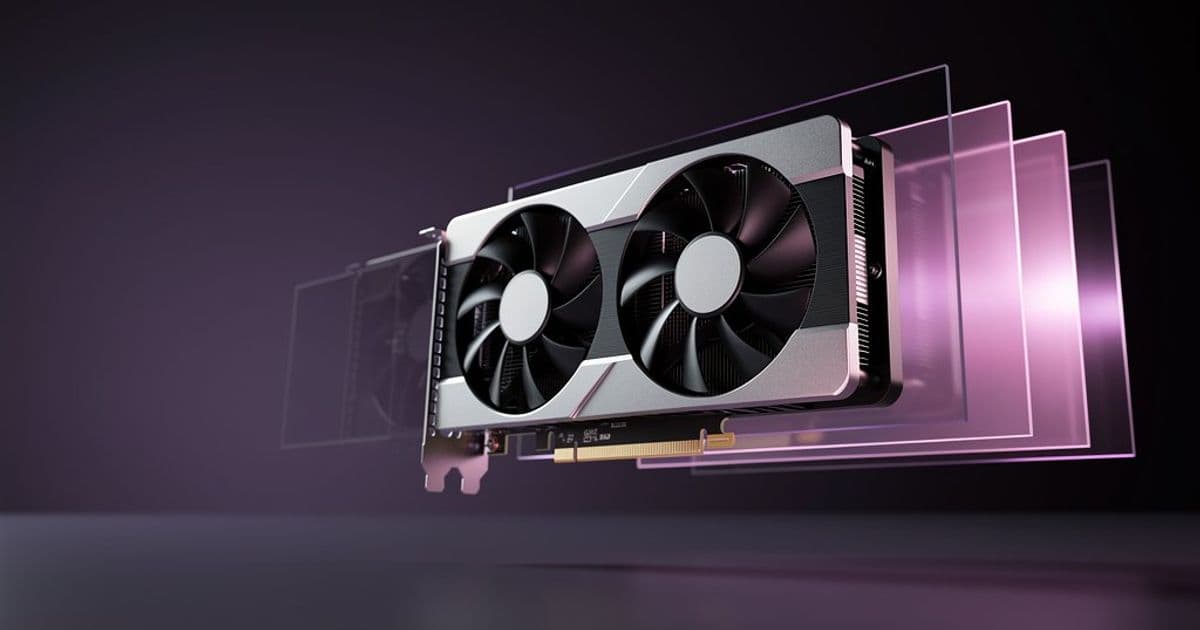
Nvidia's latest DLSS update brings visual improvements but creates performance trade-offs for older RTX cards, while multi-frame generation expands to more games.
Nvidia has officially released DLSS 4.5 Super Resolution through the Nvidia app, marking the first major update to the company's upscaling technology since the DLSS 4 launch. The update, which entered beta last week following its CES 2026 announcement, promises more sophisticated image reconstruction but comes with a notable catch: it requires five times the computational power of the first-generation DLSS Super Resolution.
What's Actually Changed in DLSS 4.5
The core improvement in DLSS 4.5 centers on the reconstruction algorithm itself. According to Nvidia, the second-generation Super Resolution uses a more complex neural network that can better preserve fine details, reduce ghosting artifacts, and handle difficult edge cases like hair, foliage, and high-contrast boundaries. The company claims these visual upgrades will be noticeable to users with "a keen eye for graphics."
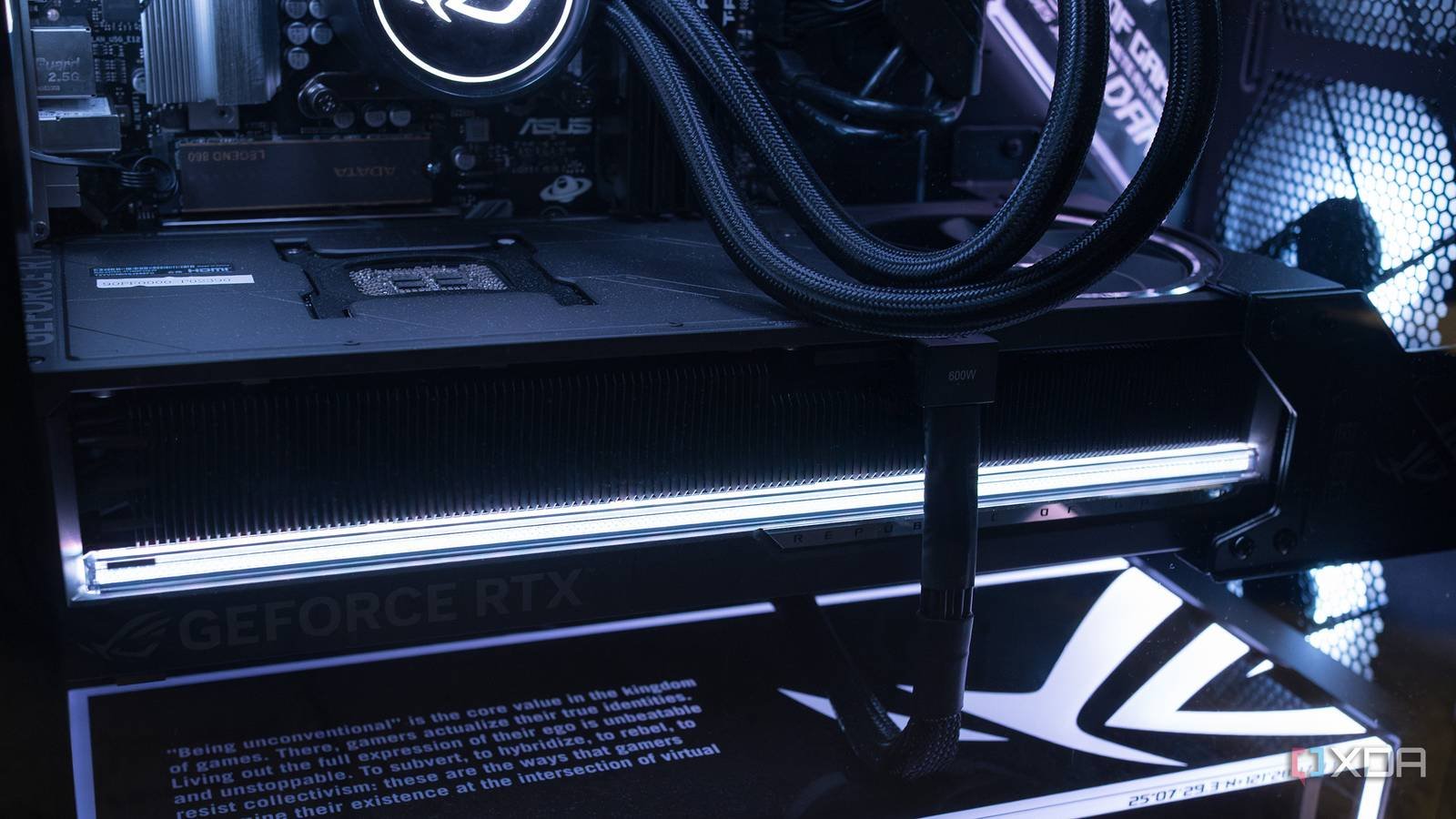
However, this sophistication comes at a cost. The increased power requirement means that while RTX 50 series cards have dedicated hardware to handle the load efficiently, older generations face measurable performance penalties. Early testing shows RTX 30 and RTX 20 series GPUs experiencing up to a 20% performance drop compared to running DLSS 4.0. This creates an immediate dilemma for users on those cards: accept lower frame rates for better image quality, or stick with the previous version.
Nvidia hasn't indicated whether they plan to optimize DLSS 4.5's efficiency for older hardware. This silence suggests the company may be prioritizing forward-looking development over backward compatibility, a pattern we've seen before in GPU feature rollouts.
Multi-Frame Generation Expands While 6x Mode Remains in Limbo
Coinciding with the Super Resolution update, Nvidia announced that DLSS 4 Multi-Frame Generation now supports 240 games and applications. This expansion represents significant progress for the frame interpolation technology that generates additional frames between rendered ones to boost perceived smoothness.
What's notably absent, however, is the promised 6x Multi-Frame Generation mode. First teased at CES alongside the RTX 50 series, this feature would theoretically allow DLSS to generate five additional frames for every traditionally rendered frame. Nvidia hasn't provided a timeline for when this capability will actually ship, leaving users with the standard 2x or 3x frame generation options available since DLSS 4's launch.
The delay raises questions about whether the 6x mode faces technical challenges or if Nvidia is waiting for broader game engine integration before enabling it.
Installation and Practical Considerations
Getting DLSS 4.5 requires updating both the Nvidia app and the game-ready drivers. The process is straightforward:
- Open the Nvidia app
- Navigate to the update section
- Install the latest app update if prompted
- Update to the newest Game Ready driver
- DLSS 4.5 becomes automatically available in supported games
For users on RTX 30 or 20 series cards, the decision matrix is more complex. If you're playing competitive titles where every frame matters, sticking with DLSS 4.0 might be the pragmatic choice. For cinematic games where image quality takes priority, the visual improvements in 4.5 could justify the performance cost.
Broader Context: Nvidia's Ecosystem Strategy
This DLSS update arrives alongside other Nvidia ecosystem news, including the company's push into cloud gaming. Nvidia GeForce Now is launching on Amazon Fire TV Stick 4K and 4K Max later this year, bringing PC-quality gaming to living room streaming devices. While not directly related to DLSS 4.5, it demonstrates Nvidia's strategy of making high-end graphics features accessible across multiple platforms, even if local GPU power remains the premium experience.
The DLSS 4.5 situation highlights a recurring theme in PC graphics: as rendering techniques become more advanced, they increasingly demand specialized hardware. Users on older cards face a fork in the road—adopt new features at a performance cost, or remain on older software versions. For developers, this creates fragmentation where different users have meaningfully different experiences even with identical hardware.
Nvidia's approach with DLSS 4.5 suggests the company is comfortable with this trade-off, prioritizing visual quality improvements that showcase the capabilities of their newest silicon while leaving older hardware to make its own compromises.
Comments
Please log in or register to join the discussion