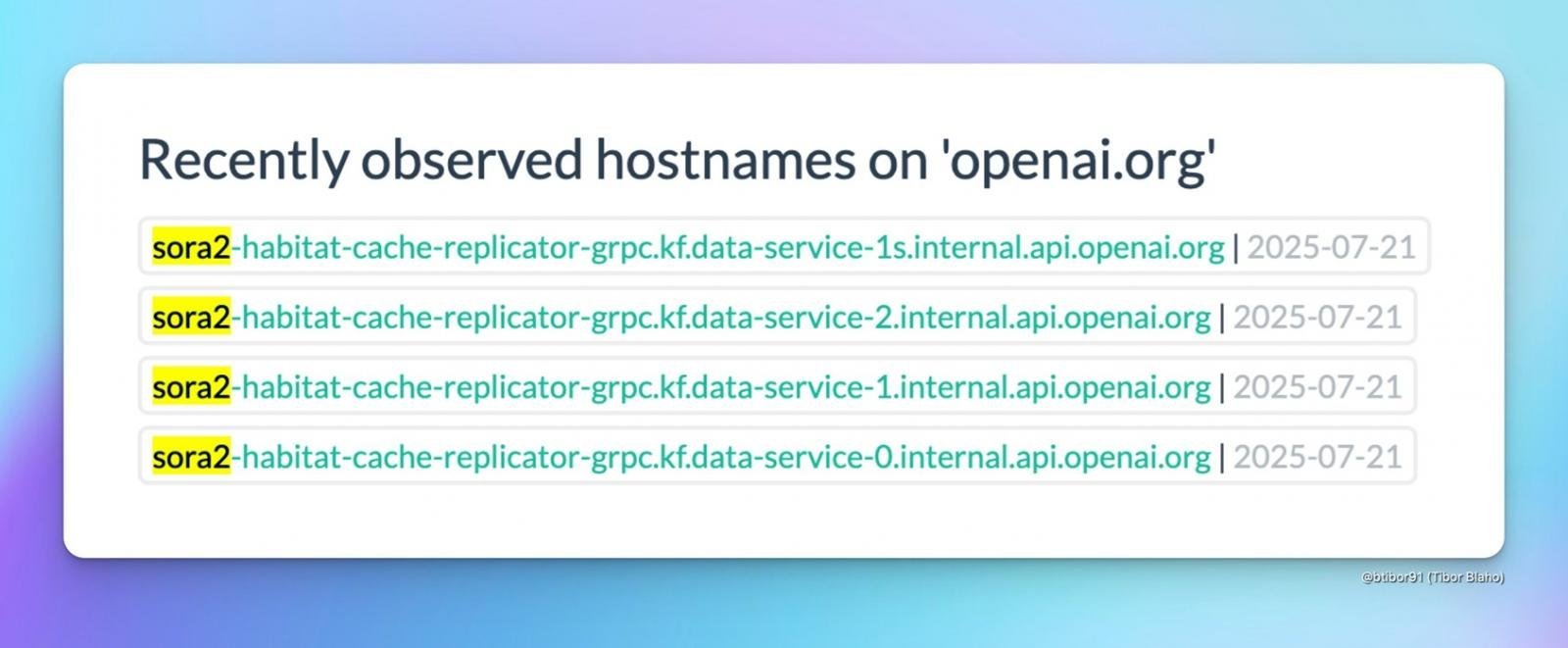
OpenAI is developing Sora 2 as a direct competitor to Google's recently launched Veo 3, signaling an intensifying battle for dominance in generative video AI. Evidence of the new model emerged in OpenAI's server logs as Google expands Veo 3's accessibility to students and developers. This escalating rivalry promises accelerated innovation but raises questions about market fragmentation and creative disruption.
The generative video AI landscape is heating up as OpenAI quietly develops Sora 2, its successor to the groundbreaking Sora model launched in December 2024. References to the new model recently surfaced in OpenAI's server logs, confirming development is underway just as Google expands access to its competing Veo 3 platform.
The Generative Video Arms Race Accelerates
Sora revolutionized AI video generation upon its debut with unprecedented minute-long coherent clips, but its momentum stalled as Google unveiled Veo 3 in May 2025. Veo's cinematic quality and advanced motion handling shifted industry attention, prompting OpenAI's countermove.
"This isn't just an upgrade cycle—it's a strategic pivot," notes Dr. Elena Torres, AI researcher at MIT. "Sora 2 represents OpenAI's bid to reclaim leadership in a field where Google now sets the tempo. The real winners will be developers who gain powerful new creative tools, but we're also seeing fragmentation risks as each ecosystem evolves independently."
Market Moves and Accessibility Wars
While OpenAI remains tight-lipped about Sora 2's capabilities, Google is aggressively expanding Veo 3's reach:
- Free access for college students via Gemini AI Pro
- Developer access through Google Cloud credits
- Integration with Vertex AI for experimental use
Meanwhile, Sora's most significant recent update came through Microsoft's integration into Bing Video Creator—a move now seen as stopgap measure ahead of Sora 2's arrival.
Why This Matters for Developers
- Accelerated Innovation: Competition will drive rapid capability improvements in temporal coherence and physics simulation
- Toolchain Disruption: Expect SDK changes and new API paradigms as both platforms evolve
- Cost Implications: Google's student play could pressure OpenAI's pricing strategy for Sora 2
- Creative Workflow Shifts: Video pipelines will need redesigns to incorporate generative layers
Industry analysts warn that the bifurcation between OpenAI and Google's video ecosystems may force developers to choose sides prematurely. As the battle unfolds, the real test will be whether these models can transition from viral demos to reliable production tools—a challenge that demands more than just longer clips or prettier frames. The generative video crown remains firmly up for grabs.
Comments
Please log in or register to join the discussion