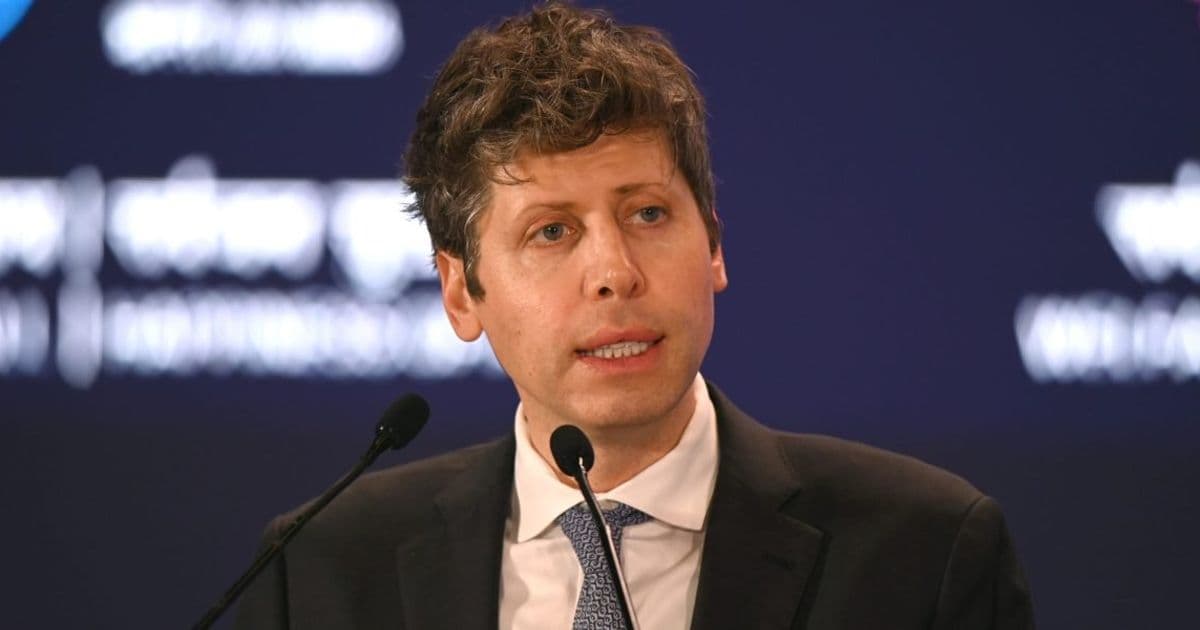
Sam Altman secured a DOD agreement allowing OpenAI to build its own safety protocols, while Anthropic faces supply chain restrictions after refusing military AI deployment requests.
The AI industry's relationship with the U.S. military has reached a breaking point, with OpenAI securing a Pentagon deal while Anthropic faces a government blacklist. The stark contrast between the two companies' fates reveals the high stakes of AI safety debates in defense applications.
OpenAI's Pentagon Victory
Sam Altman told OpenAI employees that the Department of Defense is willing to let the company build its own "safety stack" for military applications, according to sources familiar with an all-hands meeting. The DOD won't force OpenAI to comply if its models refuse certain tasks, marking a significant concession from the Pentagon.
The agreement appears to resolve months of negotiations over OpenAI's red lines for military use. The company has drawn similar boundaries to Anthropic, refusing to deploy AI for autonomous weapons or domestic surveillance. However, OpenAI's willingness to work within classified settings has won favor with defense officials.
Anthropic's Government Blacklist
While OpenAI celebrates its Pentagon deal, Anthropic faces the opposite fate. Defense Secretary Pete Hegseth directed the DOD to designate Anthropic as a supply chain risk, barring military contractors from doing business with the company. The move follows Anthropic's refusal to compromise on its safety standards for military AI deployment.
Anthropic has vowed to challenge the designation in court, arguing it would only affect contractors' use of Claude on DOD work. The company maintains its position that AI safety cannot be compromised for military applications, even as it faces severe business consequences.
Industry-Wide Implications
The contrasting outcomes for OpenAI and Anthropic signal a broader shift in how the U.S. government approaches AI safety in military contexts. The Pentagon appears willing to accept companies' self-imposed safety restrictions rather than enforce uniform standards across the industry.
This approach creates a competitive advantage for companies willing to work within military frameworks, even with limitations. OpenAI's success suggests that pragmatic engagement with defense needs may be rewarded, while strict adherence to safety principles could result in exclusion from government contracts.
The Safety Stack Debate
The concept of a "safety stack" has become central to military AI negotiations. OpenAI's ability to build its own safety protocols represents a compromise between the company's ethical concerns and the Pentagon's operational needs. This arrangement allows OpenAI to maintain control over how its technology is used while enabling military applications.
However, critics argue that allowing companies to self-regulate AI safety in military contexts creates dangerous precedents. The lack of standardized safety requirements across the industry could lead to inconsistent protection against AI misuse or unintended consequences.
Market Reactions and Industry Shifts
The Pentagon's decisions have already impacted the AI market. OpenAI's successful negotiation has likely strengthened its position in the competitive AI landscape, while Anthropic faces potential revenue losses from government contracts. The situation has also prompted other AI companies to reassess their military engagement strategies.
Amazon's recent $50 billion investment in OpenAI, part of a larger $110 billion funding round, suggests confidence in the company's ability to navigate government relationships. Meanwhile, Anthropic's legal challenge to its blacklist designation could set important precedents for AI regulation and government contracting.
The Future of Military AI
The OpenAI-Anthropic divide highlights the fundamental tension between AI safety and military utility. As AI capabilities advance, the pressure to deploy these technologies in defense contexts will only increase. The question remains whether self-imposed safety standards are sufficient for military applications or if more stringent government oversight is necessary.
The Pentagon's willingness to work with OpenAI's safety framework suggests a pragmatic approach to AI adoption, but it also raises concerns about the long-term implications of allowing tech companies to set their own boundaries for military AI use. The outcome of Anthropic's legal challenge could determine whether this approach becomes the industry standard or faces regulatory pushback.
As the AI industry continues to evolve, the balance between innovation, safety, and national security will remain a central challenge. The contrasting fates of OpenAI and Anthropic serve as a stark reminder that in the world of military AI, safety principles can come at a significant business cost.
Comments
Please log in or register to join the discussion