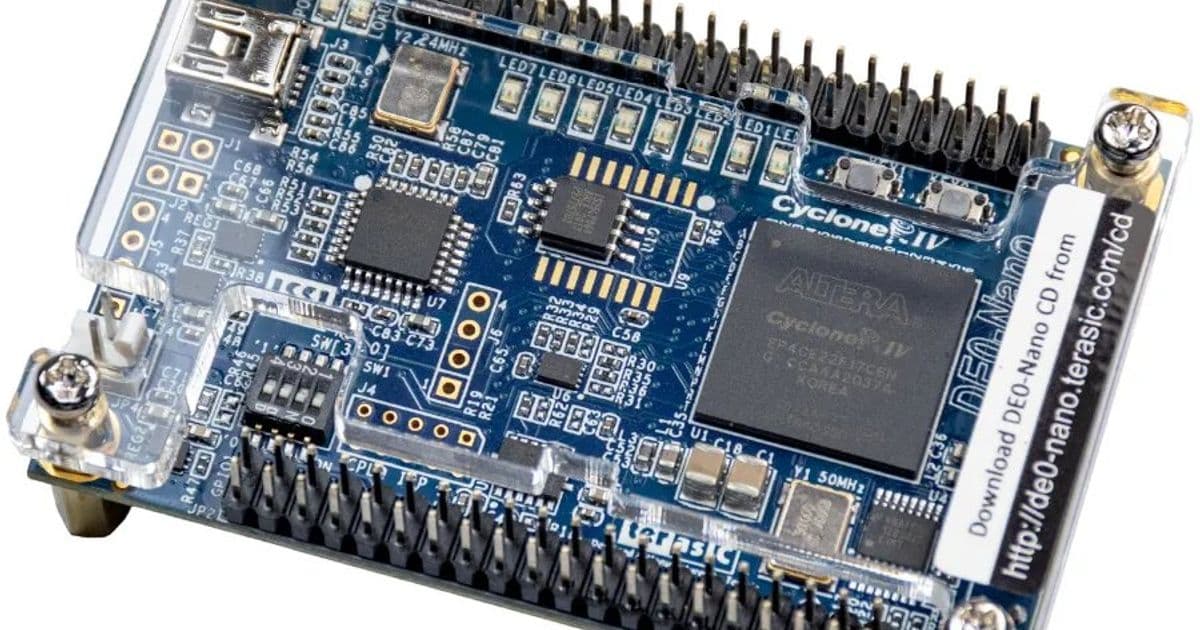
OpenRISC Linux 7.0 adds mainline Device Tree support for the popular DE0 Nano FPGA board and fixes SMP kernel issues, improving out-of-the-box compatibility for this decade-old open-source architecture.
OpenRISC Linux 7.0 Brings Native DE0 Nano Support and SMP Fixes
The OpenRISC architecture, which predates RISC-V by a decade, continues to see steady improvements in mainline Linux support despite its limited commercial hardware ecosystem. The upcoming Linux 7.0 kernel brings significant enhancements for OpenRISC developers, particularly those working with FPGA development boards.
DE0 Nano Gets Mainline Device Tree Support
Perhaps the most notable addition in Linux 7.0 is native Device Tree support for the DE0 Nano FPGA development kit. This compact board, priced at just over $100 USD, has become a popular choice for prototyping due to its affordability and reasonable specifications.
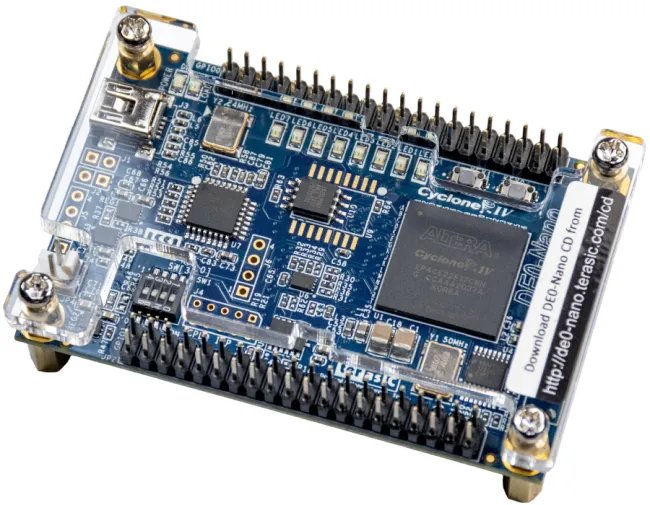
The DE0 Nano features an Altera Cyclone IV EP4CE22F17C6N FPGA with 22,320 logic elements, 594 Kbits of embedded memory, 4 general purpose PLLs, and 153 I/O pins. The board also includes 32MB of SDRAM, providing ample memory for most development tasks.
With the new Device Tree configuration merged into mainline, OpenRISC users can now boot Linux 7.0 on the DE0 Nano without requiring custom board-specific configurations. The support extends to both single-core and multi-core OpenRISC configurations, making it a versatile platform for testing different OpenRISC implementations.
SMP Kernel Fixes Enable Multi-Core Development
Beyond the DE0 Nano improvements, Linux 7.0 addresses a critical bug in the OpenRISC symmetric multiprocessing (SMP) kernel code. This fix resolves issues that previously prevented OpenRISC from running properly on FPGA developer boards with multiple cores.
The SMP support is particularly important for OpenRISC development, as it allows developers to test and optimize multi-core workloads on their FPGA platforms. This enhancement brings OpenRISC's SMP capabilities closer to parity with other architectures in the mainline kernel.
Build System Improvements
Linux 7.0 also includes a fix for build failures affecting OpenRISC when compiling drivers that use the nop() macro. This seemingly minor change improves the overall development experience by ensuring that kernel builds complete successfully without requiring workarounds or patches.
The OpenRISC Ecosystem Context
While OpenRISC hasn't achieved the commercial success of newer open-source architectures like RISC-V, its continued presence in the mainline Linux kernel demonstrates the project's staying power. The architecture serves as an important educational tool and provides a stable platform for developers interested in open-source processor design.
The improvements in Linux 7.0, particularly the DE0 Nano support, make OpenRISC more accessible to hobbyists and students working with FPGA development boards. The combination of affordable hardware and improved software support lowers the barrier to entry for those interested in exploring open-source processor architectures.
Looking Ahead
As Linux 7.0 moves toward its final release, OpenRISC developers can look forward to better out-of-the-box support for their FPGA projects. The DE0 Nano support, in particular, provides a solid foundation for both learning and development work with the OpenRISC architecture.
The continued investment in OpenRISC kernel support, despite the architecture's niche status, reflects the Linux kernel community's commitment to maintaining support for diverse hardware platforms. For FPGA enthusiasts and open-source processor advocates, these improvements represent meaningful progress in making OpenRISC a viable platform for experimentation and education.
Comments
Please log in or register to join the discussion