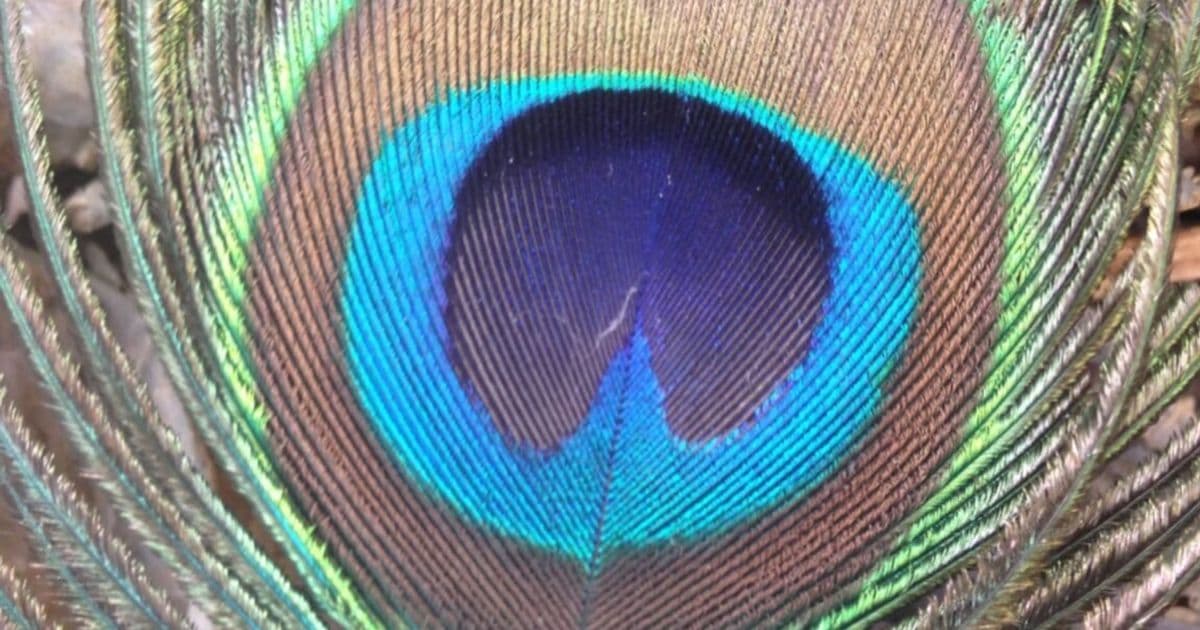
Scientists have coaxed peacock feathers into emitting laser light by infusing them with dye, marking the first animal-derived biolaser cavity. This breakthrough leverages the feathers' natural nanostructures and could revolutionize biocompatible lasers for medical sensing and imaging.
The iridescent splendor of peacock feathers has long fascinated scientists, known to arise not from pigments but from intricate nanostructures that manipulate light. Now, researchers have unlocked a startling new capability: turning these feathers into functional lasers. A study published in Scientific Reports details how repeated dye infusion transformed peacock barbules—microscopic keratin-coated melanin rods—into biolaser cavities.
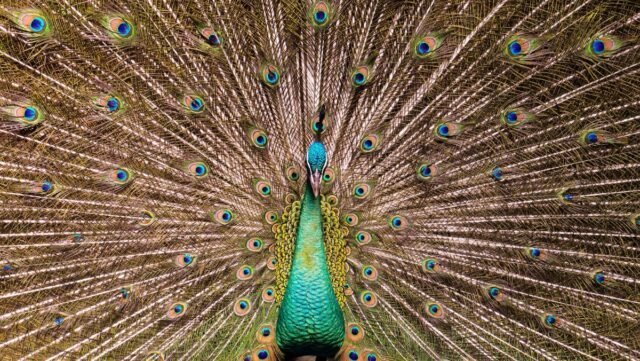
How the Feathers Became Lasers
- Structure as Foundation: Peacock barbules naturally act as photonic crystals, selectively reflecting specific wavelengths to create structural color.
- Dye Infusion: Researchers pipetted dye solution onto feathers from decorative plumes, subjecting some to multiple wetting/drying cycles.
- Optical Pumping: When pulsed with light, feathers that underwent multiple dye treatments emitted coherent laser light at two distinct wavelengths. Green eye-spot regions produced the most intense emissions.
- Key Insight: Multiple treatments were crucial, likely enabling deeper dye penetration and loosening keratin fibrils to form the necessary microcavities. Feathers dyed only once showed no lasing.
The Mystery and the Potential While the precise lasing microstructure remains unidentified (ruling out the primary melanin rods), researchers suspect protein granules within the feathers may form the cavity. This discovery is the first confirmed biolaser cavity within animal tissue.
"This work could lead to the development of biocompatible lasers that could safely be embedded in the human body for sensing, imaging, and therapeutic purposes," co-author Nathan Dawson told Science.
The fusion of biological photonic structures with synthetic dyes points toward a future where medical diagnostics or treatments leverage safe, implantable light sources derived from nature's own designs. Imagine lasers grown from biological templates monitoring glucose levels or targeting tumors with unprecedented precision.
Source: Ars Technica - Scientists use peacock feathers to make frickin’ laser beams
Comments
Please log in or register to join the discussion