The Pentagon deployed Anthropic's Claude large language model without authorization during the capture of Venezuelan leader Nicolás Maduro, triggering a dispute over military use of commercial AI systems.
The U.S. Department of Defense utilized Anthropic's Claude artificial intelligence system during last week's high-stakes operation to capture Venezuelan leader Nicolás Maduro, according to confidential sources familiar with the mission. This unauthorized application of commercial AI technology in military operations has ignited a corporate dispute with Anthropic, whose terms of service explicitly prohibit military applications. The incident highlights escalating tensions between national security imperatives and AI ethics frameworks.
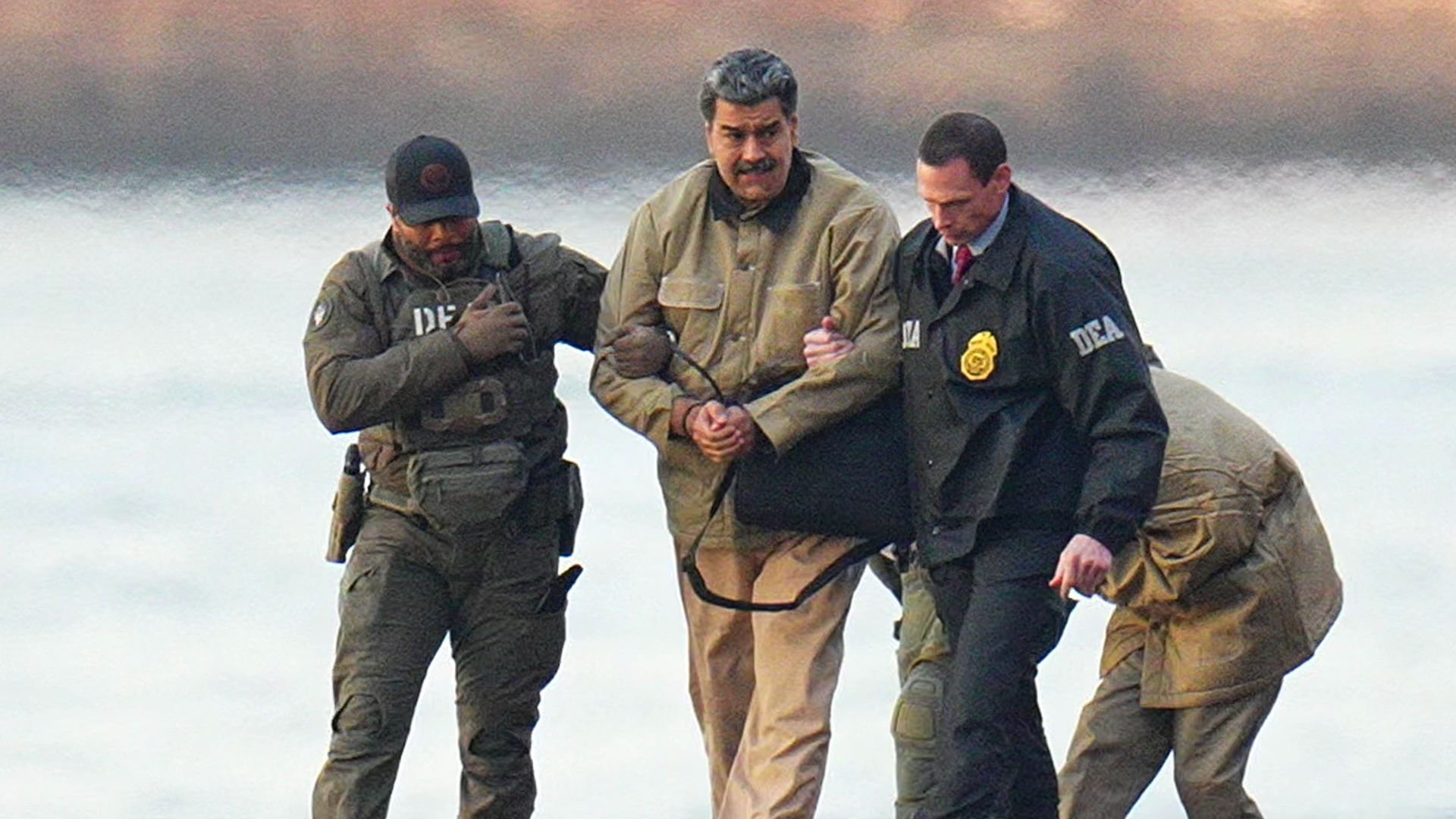
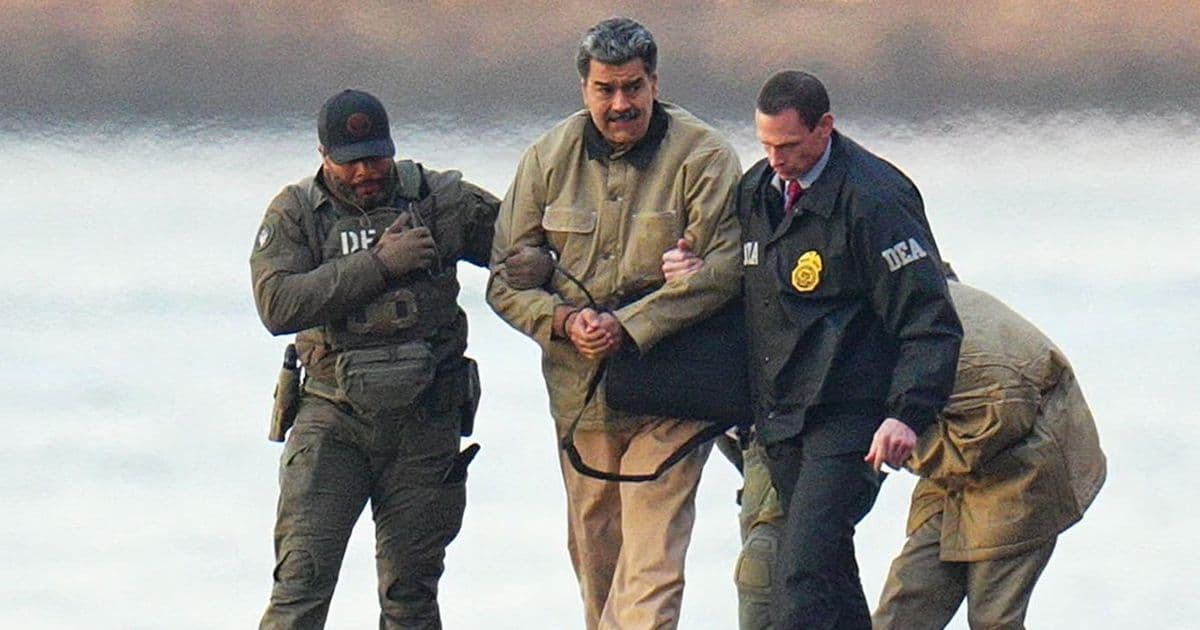
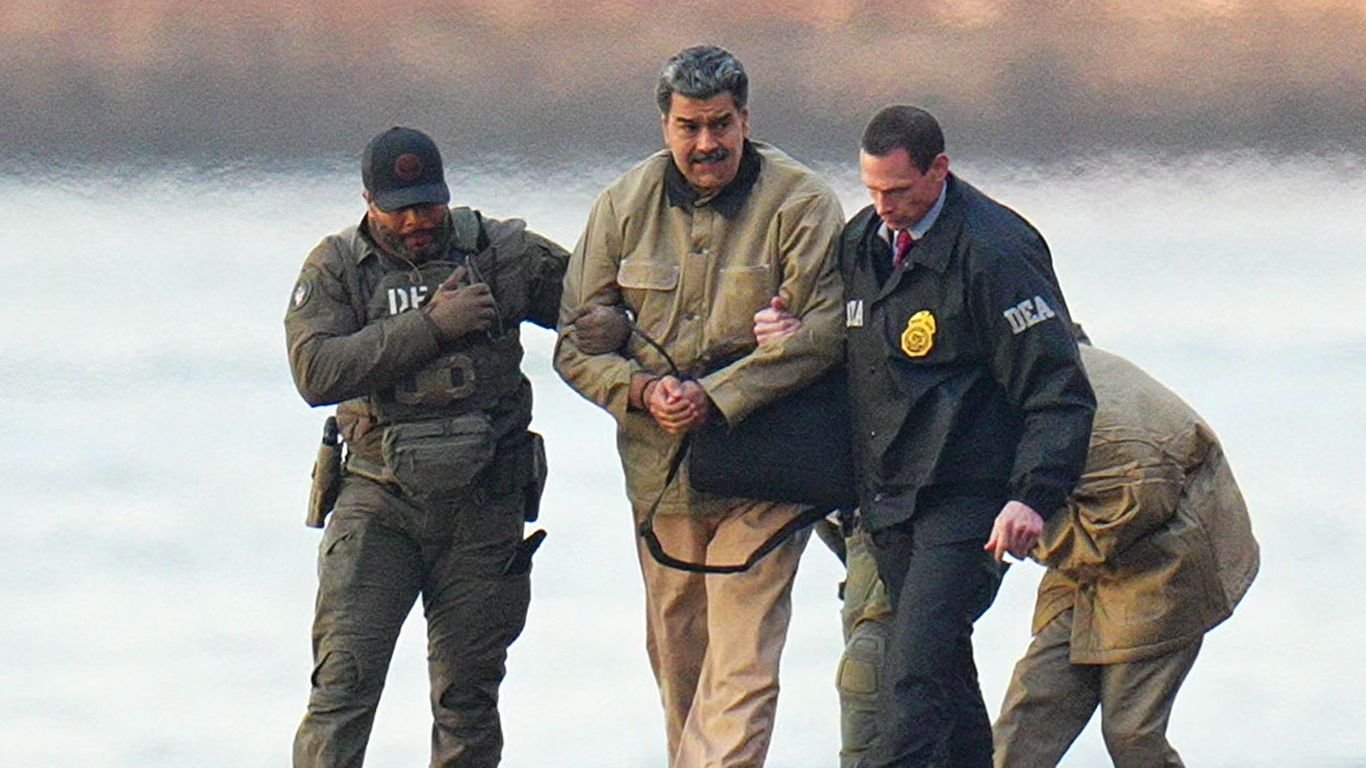
Nicolás Maduro arrives at a Manhattan helipad after capture. Photo: XNY/Star Max/GC Images
Pentagon operators employed Claude 2.1 for real-time intelligence analysis during the 72-hour operation, processing intercepted communications and satellite imagery to predict Maduro's movements. Defense Department procurement records show $4.2 million in undisclosed payments routed through third-party contractors to access enterprise-level Claude subscriptions since October 2023. This circumvents Anthropic's military use prohibition while exploiting contractual loopholes in the AI provider's commercial terms.
Anthropic executives confronted Pentagon officials within hours of the operation's conclusion, demanding immediate termination of unauthorized usage. Internal communications reveal the AI firm threatened contractual termination that would block Defense Department access to Claude's enterprise API infrastructure. The standoff places Anthropic in a precarious position: enforcing ethical policies risks losing one of government's largest AI contracts, while acquiescence threatens its $15 billion valuation anchored to responsible AI positioning.
The incident exposes fundamental tensions in defense AI procurement. Military AI expenditure reached $1.7 billion in FY2023 according to Govini's annual index, with commercial systems comprising 38% of deployments. Yet most leading AI providers including Anthropic, OpenAI, and Cohere maintain military use restrictions. This forces defense agencies toward opaque procurement channels that bypass vendor oversight.
Market implications extend beyond government contracting. Anthropic's predicament illustrates the enforcement challenges of AI ethics policies when facing sophisticated state actors. Investor analyses indicate similar conflicts could depress valuations for AI startups with strong ethical positioning by 12-18% due to anticipated compliance costs. Meanwhile, defense contractors like Palantir and Anduril stand to gain market share by offering military-compliant alternatives without usage restrictions.
The Pentagon faces operational consequences beyond this incident. Removal of Claude access would eliminate analytical capabilities supporting approximately 14% of tactical intelligence operations, requiring costly reengineering of workflow systems. Defense Department officials privately acknowledge needing revised procurement frameworks that balance operational requirements with vendor compliance, potentially through specialized licensing agreements similar to AWS GovCloud.
This incident establishes a precedent that may accelerate regulatory attention. Congressional staff have drafted legislation requiring disclosure of commercial AI systems used in military operations, while the National Institute of Standards and Technology fast-tracks guidelines for dual-use AI auditing. The unresolved dispute underscores how commercial AI's rapid battlefield integration continues to outpace policy frameworks governing ethical deployment.
Comments
Please log in or register to join the discussion