
Xiaomi's Poco M8 5G delivers flagship-tier display technology, Snapdragon performance, and exceptional durability at under €260, though camera compromises reveal its budget positioning.
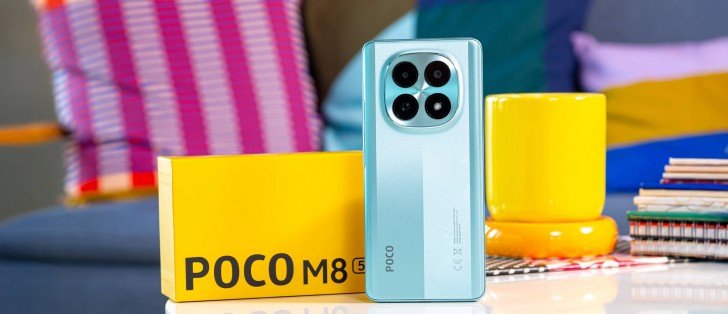
The smartphone mid-range segment welcomes a compelling new contender with Xiaomi's Poco M8 5G. Positioned as a strategic alternative to the Redmi Note 15 5G, this device preserves core flagship features while strategically trimming certain elements to achieve aggressive pricing starting at €229.90. For users prioritizing display quality, processing power, and durability over camera versatility, the M8 5G presents a calculated value proposition that challenges conventional budget limitations.
Display Technology Beyond Price Class At the heart of the M8 5G's appeal lies its 6.77-inch AMOLED panel, featuring specifications typically reserved for premium devices. The 120Hz refresh rate enables fluid navigation and gaming, while 3840Hz PWM dimming significantly reduces eye strain during extended use—a rare feature in this segment. With HDR support and staggering peak brightness of 3,200 nits (800 nits typical), the display maintains visibility even under direct sunlight. The 1080x2392 resolution (388 ppi) delivers crisp detail within its 19.93:9 aspect ratio, creating an immersive media consumption experience that outperforms many competitors.
Performance Architecture Powering the device is Qualcomm's Snapdragon 6 Gen 3 (4nm) chipset, combining four Cortex-A78 performance cores clocked at 2.4GHz with four 1.8GHz Cortex-A55 efficiency cores. This configuration demonstrates a notable advantage over MediaTek's Helio G200 Ultra found in the Redmi Note 15 Pro 4G, particularly in sustained performance and thermal management. The Adreno 710 GPU handles casual gaming competently, though graphically intensive titles require settings adjustments. Memory configurations range from 6GB/128GB to 8GB/512GB using UFS 2.2 storage, with microSD expansion available via the hybrid SIM slot.
Software Longevity Commitment The M8 5G ships with Android 15 layered beneath Xiaomi's HyperOS 2 interface. More significant than the initial software is Xiaomi's unprecedented update promise: four major Android upgrades alongside regular security patches. This policy transforms the device from a disposable budget option into a long-term investment, directly addressing ecosystem lock-in concerns. HyperOS 2 brings refined customization options and interoperability features with Xiaomi's ecosystem devices, though the interface remains distinct from stock Android.
Durability Engineering Defying budget conventions, the plastic-framed device achieves IP66 dust resistance and IP65/IP66 water protection against high-pressure jets (region-dependent). Rated to withstand 1.7-meter drops, the M8 5G incorporates structural reinforcement uncommon below €300. The retail package includes a substantial TPU case, reinforcing Xiaomi's practical approach to device protection. Regional variations exist in charger inclusion due to EU regulations, though bundled 45W adapters in applicable markets support the proprietary fast-charging protocol via the included 5A USB-C cable.
Camera Strategy and Limitations The imaging system reveals the device's budget orientation. While the 50MP primary sensor with PDAF captures competent daytime photography and supports 4K/30fps video, the absence of an ultrawide lens marks a clear differentiation from the Redmi Note 15 5G. Low-light performance remains serviceable rather than exceptional. The 20MP front camera handles video calls adequately with 1080p/60fps capability. This configuration prioritizes core functionality over versatility, appealing to users who rarely utilize secondary cameras.
Power Management A 5,520mAh battery provides all-day endurance under moderate use, though power-intensive activities like gaming and HDR video streaming reduce longevity. The 45W wired charging delivers rapid replenishment (0-70% in approximately 30 minutes), while 18W reverse charging enables emergency device-to-device power sharing—an uncommon feature in this price bracket.
Ecosystem Positioning Within Xiaomi's portfolio, the M8 5G strategically occupies the value segment beneath the Redmi Note series. By sharing core components with the Redmi Note 15 5G but omitting the ultrawide camera and slightly reducing battery capacity, Xiaomi achieves price differentiation while maintaining manufacturing efficiency. The device exemplifies the brand's formula of implementing premium display technology and durability features to create perceived value, compensating for photographic compromises.
The Poco M8 5G succeeds by excelling where users immediately notice: screen quality, perceived durability, and responsive performance. While photography enthusiasts may prefer alternatives, the combination of Snapdragon efficiency, exceptional display specifications, and unprecedented software support creates a compelling proposition for practical-minded buyers. For €230-€260, it delivers tangible premium experiences typically requiring €350+ investments, redefining expectations for the budget segment.
Comments
Please log in or register to join the discussion