India's smartphone market shows surprising resilience with premium segment growth despite flat overall volumes, as foldables and flagship models drive value gains.
India's smartphone market demonstrated remarkable resilience in 2025, growing just 1% in volume but achieving an impressive 8% increase in value as consumers increasingly opted for premium devices. According to Counterpoint Research, premium smartphones priced above ₹30,000 now account for 22% of all units shipped - meaning roughly one in every five phones sold in India falls into this higher price bracket.
This shift toward premiumization has created a fascinating dynamic in the world's second-largest smartphone market. While overall unit growth remained stagnant, the value growth indicates that Indian consumers are willing to spend more per device, particularly as features once reserved for flagship phones trickle down to more affordable price points.
Apple Dominates Value Share Despite Low Volume
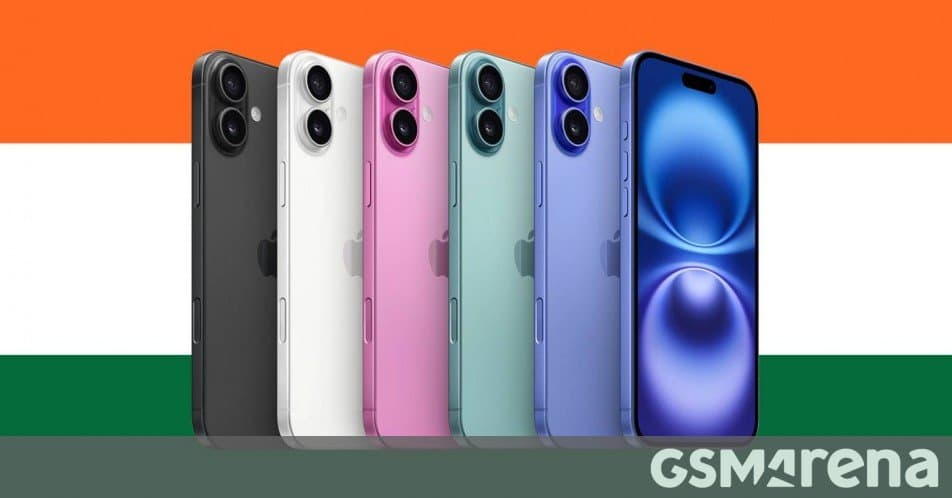
Apple emerged as the biggest beneficiary of this premium push, capturing 28% of the total market value despite holding a relatively modest share of unit shipments. The iPhone 16 claimed the crown as the most-shipped individual model for 2025, marking a significant achievement in a market traditionally dominated by Android devices. This performance underscores Apple's successful strategy of positioning itself as a premium brand that Indian consumers aspire to own, even at higher price points.
vivo Claims Volume Crown
The volume leadership race saw vivo (excluding its iQOO gaming brand) take the top spot with a 20% market share, up from 17% in 2024. The company's success stems from a balanced portfolio approach - while its Y and T series continue to drive volume in the mid-range segment, the X-series experienced explosive growth of 185% year-over-year. The vivo X200 FE received particular mention as a catalyst for this premium segment surge, demonstrating vivo's ability to compete effectively in the flagship space.
Samsung's Foldable Dominance
Samsung maintained its position as the second-largest brand overall, but its real story lies in the foldable segment. The Korean giant commands an overwhelming 88% volume share in the foldable market, with year-over-year growth of 28%. The refreshed Galaxy Z Fold7 and Z Flip7 designs resonated strongly with consumers, proving that foldables are no longer niche products in India but increasingly mainstream premium offerings.
Motorola secured the number two position in foldables, though with a significantly smaller share compared to Samsung's dominance.
Market Structure and Chipset Landscape
The broader market structure shows Oppo (excluding OnePlus) in third place with 13% share, driven primarily by its A and K series rather than premium Reno and Find X models. This positions Oppo as a volume player focused on the mid-range segment, contrasting with vivo's more balanced approach across price tiers.
On the component side, MediaTek continues to strengthen its position in India, powering 47% of all smartphones shipped. Qualcomm follows with 29% share, leaving room for other players in the remaining 24%. This MediaTek dominance reflects the company's aggressive pricing and strong performance in the mid-range segment where most Indian consumers shop.
Challenges Ahead for 2026
Looking forward, Counterpoint projects a small decline in the overall market for 2026 as the industry grapples with rising memory and component costs. The sub-₹15,000 segment faces the most pressure, potentially forcing manufacturers to either absorb costs or pass them on to consumers already operating in thin margins.
This premiumization trend in India mirrors patterns seen in more mature markets, suggesting that the country's smartphone market is evolving beyond pure volume growth toward value creation. As 5G networks expand and consumer aspirations rise, the ₹30,000+ segment appears poised for continued growth, even as the entry-level market faces headwinds.
The data reveals a maturing Indian smartphone ecosystem where brand differentiation increasingly happens at the premium end, with foldables, advanced camera systems, and flagship processors becoming key selling points even in a price-sensitive market.
Source: Counterpoint Research
Comments
Please log in or register to join the discussion