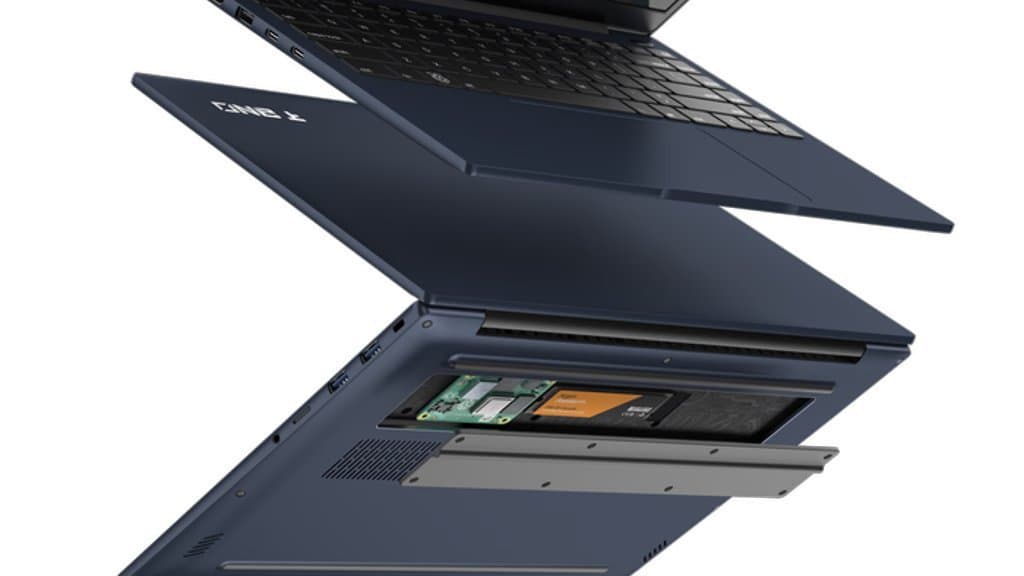
The Argon ONE UP modular laptop with Raspberry Pi CM5 is now shipping to Kickstarter backers, though buyers will need to supply their own Compute Module 5 at a time when prices are climbing.
The Argon ONE UP, a modular laptop powered by the Raspberry Pi Compute Module 5, has begun shipping to Kickstarter backers after launching its crowdfunding campaign last summer. This unique device stands out in the crowded laptop market by offering a 14-inch FHD+ display, 55 Wh battery, and M.2 SSD slot, but with the distinctive twist of using a Raspberry Pi CM5 as its processing brain.
What Makes the Argon ONE UP Different
Unlike traditional laptops, the Argon ONE UP requires users to supply their own Raspberry Pi Compute Module 5. This modular approach means the laptop shell itself costs $400 without the CM5 included, which has raised eyebrows given the current market for Raspberry Pi components. With CM5 prices climbing upward, the total investment for a complete system is approaching what you'd expect to pay for a mid-range Windows PC.
The laptop shell comes well-equipped despite lacking its own processor. It features a 1920 x 1200 pixel IPS LCD display, backlit keyboard, stereo speakers, 1080p webcam, dual microphones, and active cooling with a fan. The custom carrier board is designed specifically to work with the Raspberry CM5 and provides an M.2 slot for storage expansion.
Connectivity and Expansion Options
For connectivity, the Argon ONE UP offers two USB 3.2 Gen 1 ports, two USB Type-C ports, and an HDMI 2.0 port. Notably, it includes a USB-C adapter that grants access to a 40-pin GPIO header, connecting to the side of the computer. This feature maintains the maker-friendly nature of the Raspberry Pi ecosystem while providing a more traditional laptop form factor.
The device supports WiFi 5 and Bluetooth 5.0, and Argon Forty claims compatibility with "all CM5 compatible operating systems" including Raspberry Pi OS, Debian, and Ubuntu. This broad software support is crucial for a device that relies on user-supplied components and aims to serve both educational and hobbyist markets.
Early User Experience and Challenges
Many Kickstarter backers who have already received their units are reporting difficulties getting their preferred operating systems up and running. While it's too early to determine whether these issues represent temporary speed bumps or more significant roadblocks, they're not entirely unexpected for a Linux-friendly device that requires some technical know-how.
One practical consideration that has emerged is that the "shell only" version of the Argon ONE UP ships without thermal pads. Users who want to keep their processor and/or SSD from overheating will need to purchase thermal pads separately to help reduce temperatures and improve performance. This is an important detail for anyone planning to build their own system.
Market Position and Value Proposition
At $400 for the shell alone, plus the cost of a CM5 module and storage, the Argon ONE UP represents a significant investment. The value proposition becomes clearer when considering the unique combination of features: a high-quality laptop form factor with the flexibility and hackability of a Raspberry Pi system. For educational institutions, makerspaces, and enthusiasts who already have CM5 modules or plan to use multiple modules across different projects, the modular approach could offer advantages over traditional laptops.
The device's success will likely depend on how well Argon Forty addresses the early software compatibility issues and whether the Raspberry Pi ecosystem continues to support the CM5 platform. As with many crowdfunded hardware projects, the true test comes after units reach backers' hands and real-world usage patterns emerge.
The Argon ONE UP represents an interesting experiment in modular computing, blending the accessibility of laptop form factors with the customization potential of single-board computers. Whether it finds its niche will depend on how the community adapts to its unique requirements and whether the total cost of ownership remains competitive with traditional computing options.
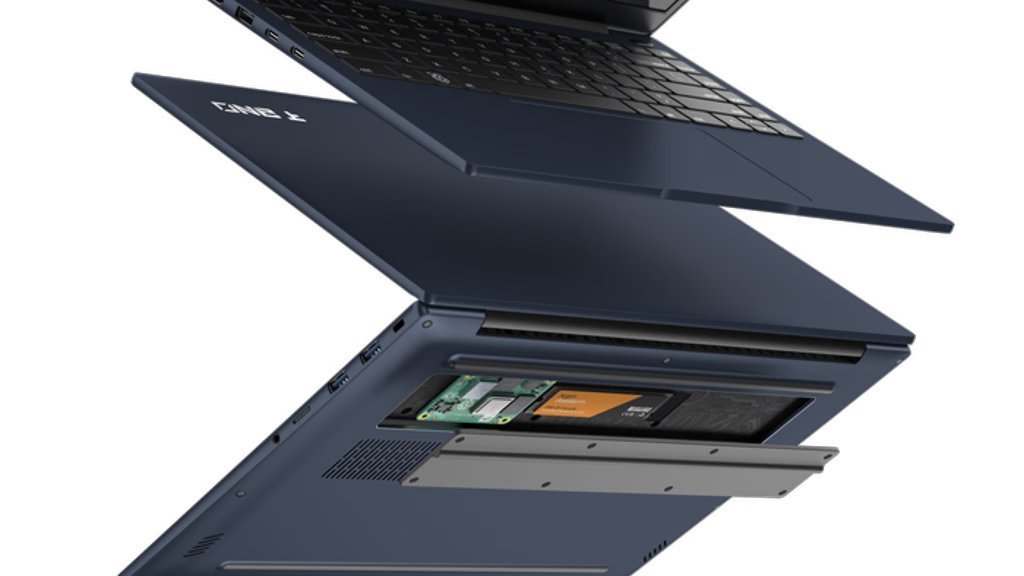
For those interested in following the project's development or considering a purchase when units become available to the general public, more information can be found on the Argon Forty website.
Comments
Please log in or register to join the discussion