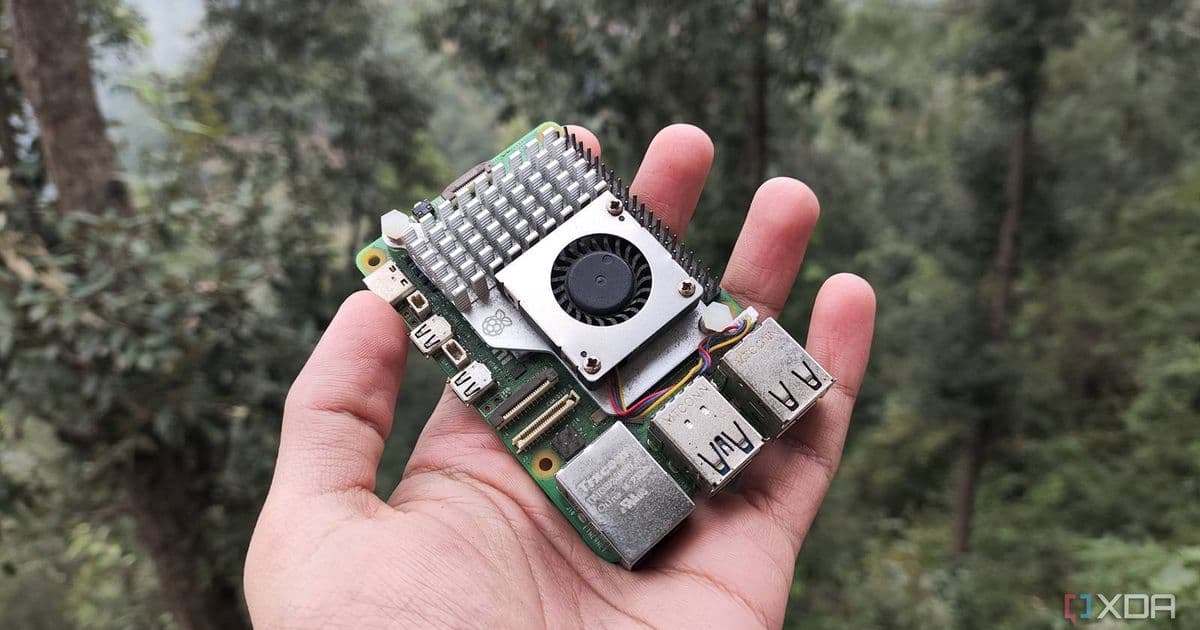
Raspberry Pi has increased prices on several models, citing component costs, but promises to maintain these new prices indefinitely rather than raising them again.
The Raspberry Pi Foundation has announced price increases across several of its popular single-board computer models, marking a significant shift in the company's pricing strategy that has long been built on affordability and accessibility.
Price Increases Across Multiple Models
According to the official announcement, the Raspberry Pi 5 4GB model now costs $60 (up from $55), while the 8GB variant has increased to $80 (from $75). The Raspberry Pi Zero 2 W has seen a more substantial jump from $15 to $20, and the Raspberry Pi 400 keyboard computer has increased from $70 to $80.
These increases represent a 9-33% price hike across the affected models, representing the first major price adjustments since the Raspberry Pi 4's launch in 2019.
The Unusual Promise
What makes this announcement particularly noteworthy is the Foundation's accompanying promise: these new prices will be "maintained indefinitely" rather than subject to future increases. This is an unusual stance in the electronics industry, where component costs typically fluctuate and manufacturers often pass those changes to consumers.
"We understand that price stability is crucial for our community," the Foundation stated in their announcement. "While we've had to adjust prices due to sustained increases in component costs, we're committing to maintaining these new price points for the foreseeable future."
Reasons Behind the Price Hike
The Foundation cited several factors driving the price increases:
- Sustained component cost increases: Global semiconductor shortages and increased demand have driven up the cost of key components
- Supply chain pressures: Ongoing logistics challenges and shipping costs have added to production expenses
- Currency fluctuations: Exchange rate volatility has impacted the Foundation's ability to maintain previous price points
Impact on the Maker Community
For the maker community, educators, and hobbyists who rely on Raspberry Pi's affordability, these increases represent a significant change. The Foundation's commitment to price stability may help mitigate concerns, but the higher entry point could affect adoption in price-sensitive markets and educational programs.
"While we're disappointed to see prices increase, the promise of stability is reassuring," noted one educator who uses Raspberry Pis in classroom settings. "The predictability will help with budgeting and planning long-term projects."
Market Context
The price increases come amid broader trends in the single-board computer market. Competitors like Arduino, NVIDIA's Jetson series, and various Chinese manufacturers have also faced similar pressures, though many have been less transparent about their pricing decisions.
Raspberry Pi's approach of openly communicating the reasons for price increases and committing to stability represents a different philosophy from many tech companies that frequently adjust prices based on market conditions.
Looking Ahead
The Foundation emphasized that these price changes affect only specific models and that entry-level options like the original Raspberry Pi Zero remain available at their previous price points. They also noted that future product development will continue with the same focus on accessibility and education that has defined the brand.
For developers and makers who have built entire ecosystems around Raspberry Pi hardware, the announcement represents both a challenge and an opportunity to reassess project budgets and explore alternative solutions where appropriate.
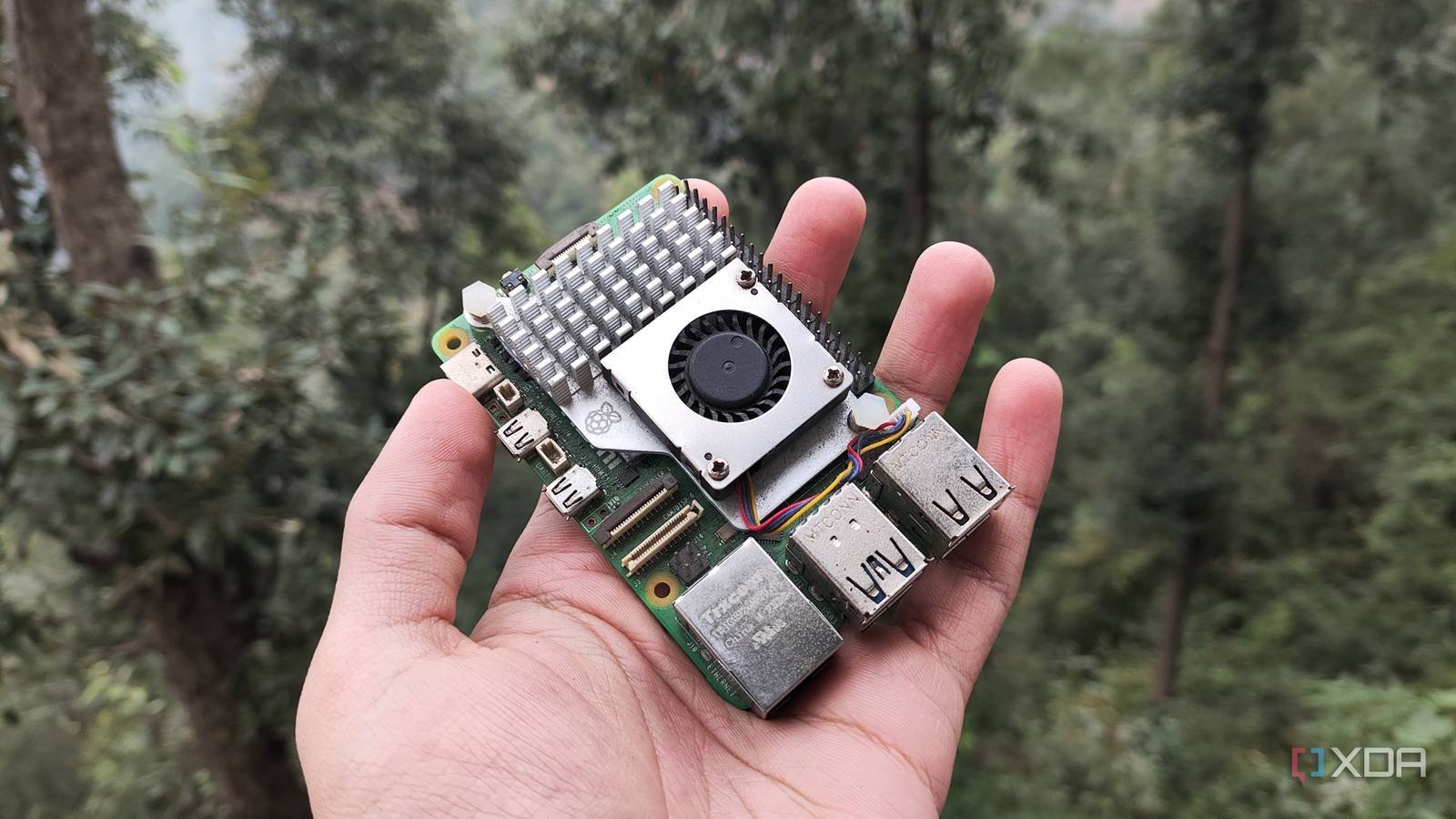
The Raspberry Pi 5 4GB model, now priced at $60, remains one of the most capable single-board computers in its class despite the price increase.
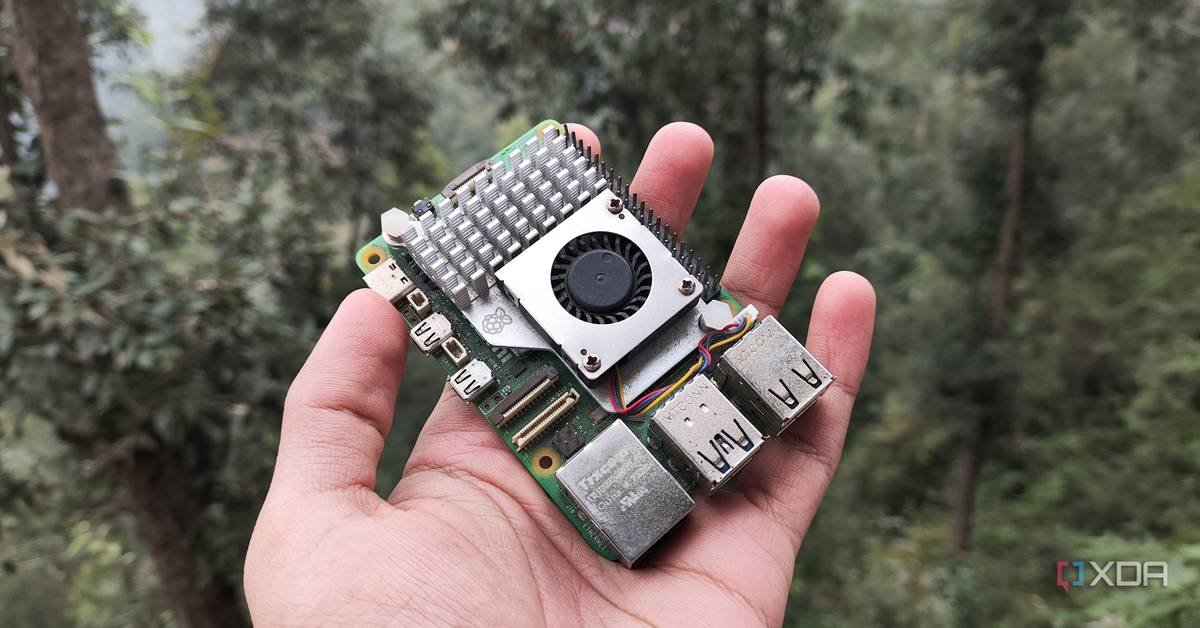
Social media preview image for the Raspberry Pi price increase announcement.
Comments
Please log in or register to join the discussion