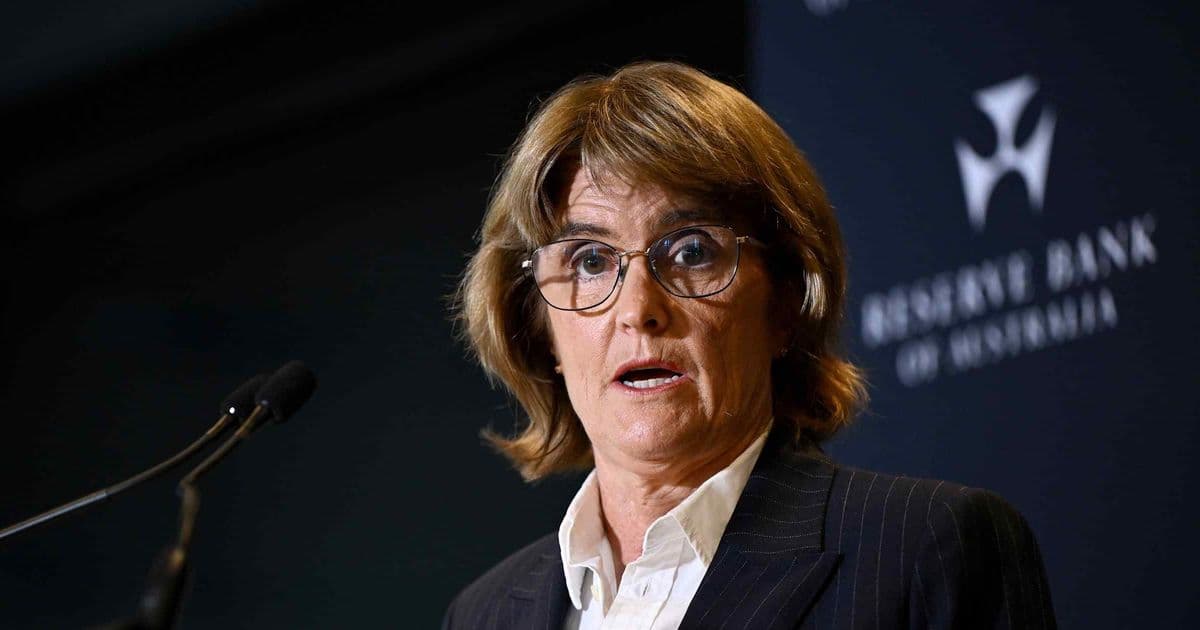
Australia's central bank hikes interest rates for first time in over two years, pushing cash rate to 3.85% amid rising inflation and housing costs
The Reserve Bank of Australia has raised its key interest rate to 3.85%, marking the first hike in more than two years as inflation pressures continue to build across the economy.
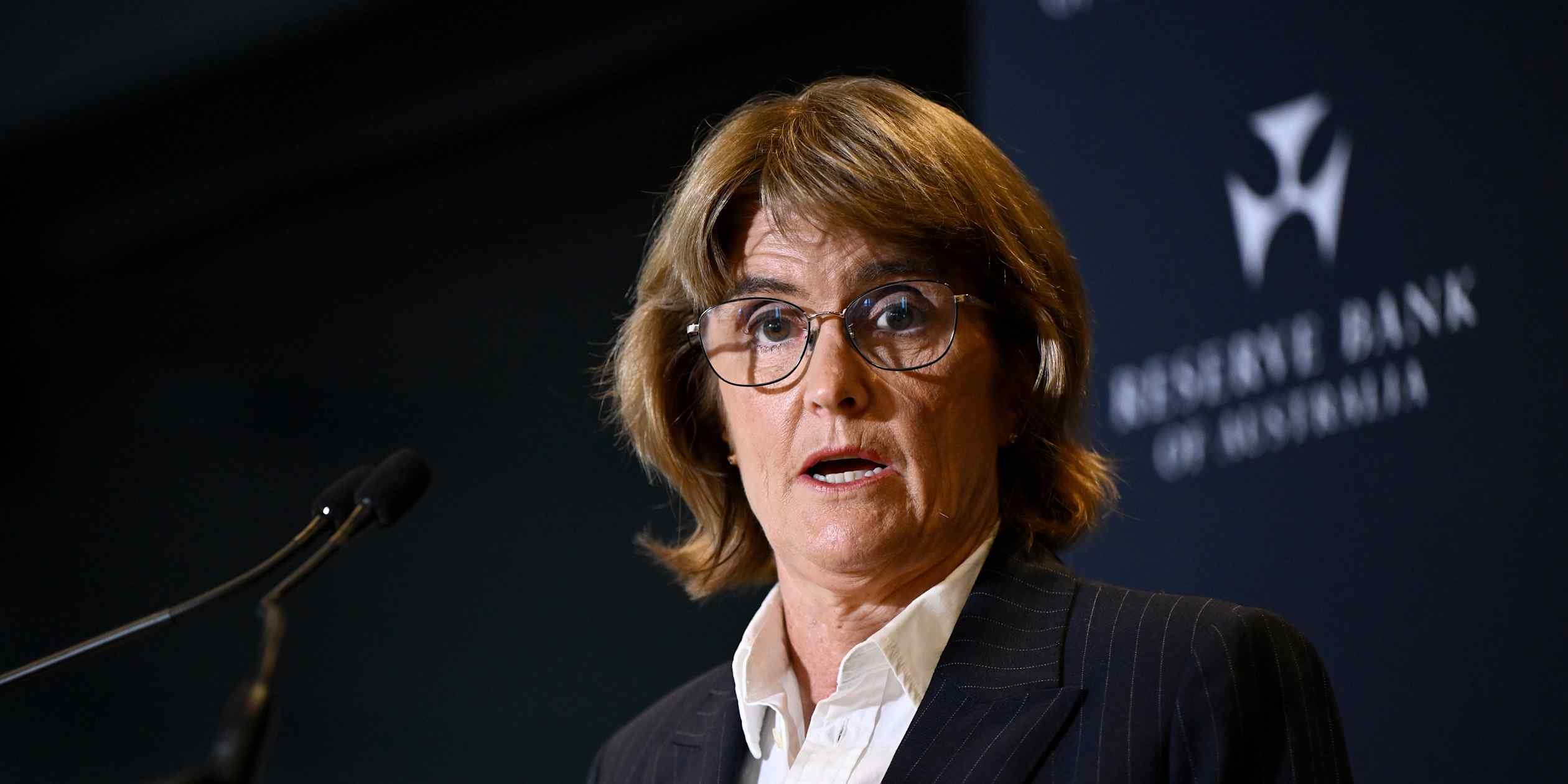
The rate increase, announced Tuesday by RBA Governor Michele Bullock, lifts the cash rate from 3.6% and comes after inflation data showed consumer prices rising faster than expected.
Inflation Driving the Decision
Data from the Australian Bureau of Statistics revealed inflation reached 3.8% in the 12 months through December 2025, up from 3.4% the previous month. Housing costs emerged as the primary driver, surging 5.5% due to rising electricity prices, increasing rents, and higher construction costs for new dwellings.
"The underlying pulse of inflation is too strong," Bullock stated during a press conference in Sydney. "We've updated our assessment and outlook for the economy and concluded that the cash rate was no longer at the right level to get inflation back to target in a reasonable time frame."
Economic Context and Market Expectations
The decision follows 18 months of steady rates at 3.6%, with the RBA holding firm through its December meeting despite growing concerns about inflation risks. The central bank's target remains 2.5%, significantly below current levels.
Economic analysts had been divided on the likelihood of a rate hike. Belinda Allen, head of Australian economics at Commonwealth Bank, noted that a tighter labor market with unemployment at 4.1% in December, combined with stronger-than-expected household consumption, would drive the decision.
Westpac Bank Chief Economist Luci Ellis emphasized that inflation would be the key determining factor, though she doesn't expect "a sequence of back-to-back hikes."
Impact on Households and Businesses
The rate increase arrives as many Australian households face financial pressure. Treasurer Jim Chalmers acknowledged the challenges in parliament, stating, "We know that many Australians are doing it tough, which is why we continue to roll out responsible cost of living relief, including a further tax cut this year and another one next year."
Adam Boyton, head of Australian economics at ANZ Bank, suggested this hike "should end up being the only move this year," citing likely slowing in real household income growth, low consumer confidence, and the immediate impact of today's rate hike on consumer spending.
Historical Context
The rate hike represents a significant shift from February 2025, when the RBA lowered rates from 4.35% to 4.1% - the first cut since November 2020 after keeping rates on hold for more than a year.
Bullock remained non-committal about future rate movements, stating, "I'm not predicting there will be more rate rises but I'm also not saying that if inflation does remain too high that there mightn't be. I'm going back to that 'never ruling anything in or out' phrase."
Market Reaction and Economic Implications
The rate increase signals the RBA's determination to bring inflation under control, even at the cost of higher borrowing costs for consumers and businesses. With housing costs driving much of the inflation, the central bank faces the challenge of cooling price pressures without further straining the already stressed housing market.
Economists will be watching closely for signs of how this rate hike affects consumer spending, business investment, and ultimately, the trajectory of inflation in the coming months. The RBA's ability to navigate these competing pressures will be crucial for Australia's economic outlook in 2026.
Comments
Please log in or register to join the discussion