
Designers must fundamentally redefine success metrics to prioritize well-being, equity, and sustainability, moving beyond traditional viability-focused models to create systemic change.

The persistent gap between ethical design principles and daily practice stems from a fundamental misalignment in how organizations measure success. Current business paradigms prioritize financial viability above all else, trapping designers in systems that inadvertently promote consumerism, inequality, and environmental degradation. Despite growing awareness of ethical design frameworks, their implementation remains largely theoretical without structural change at the organizational level.
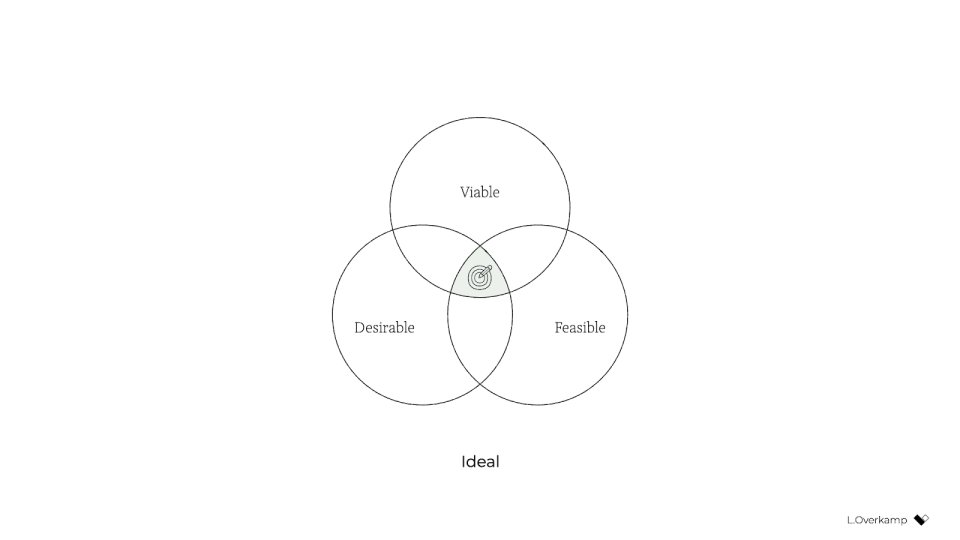
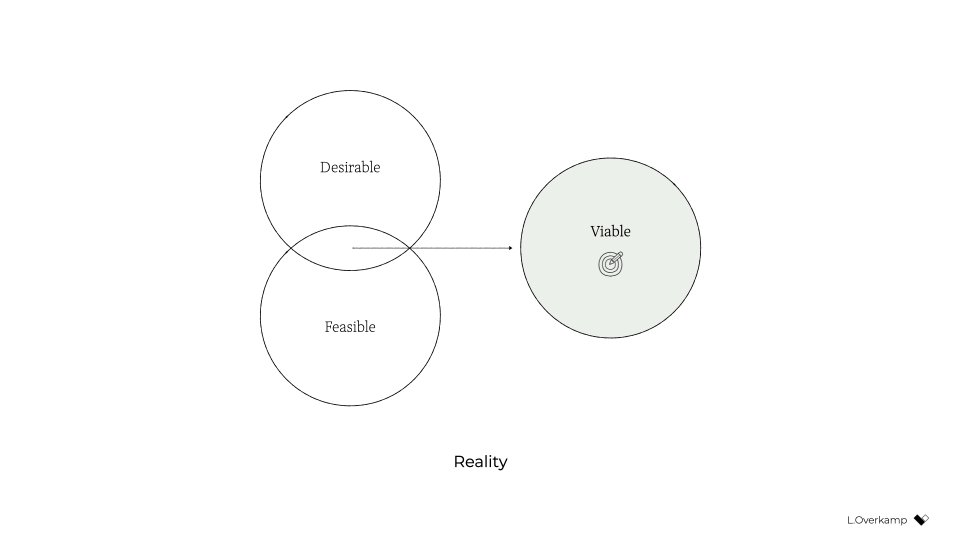
Donella Meadows' systems thinking hierarchy reveals why most ethical design initiatives fail: they operate at ineffective levels like information exchange rather than targeting the most powerful leverage point—organizational objectives and metrics. When companies exclusively prioritize profit growth, every design decision becomes subservient to that singular goal. The common "desirability-feasibility-viability" model misleadingly presents these dimensions as equals, when in practice viability dominates decision-making.
The solution requires introducing a fourth dimension of success: ethical impact. This manifests through three interconnected objectives:
- Well-being: Designing experiences that respect users' time, attention, and autonomy through calm, transparent interfaces
- Equity: Ensuring positive social impact through inclusive design practices addressing economic disparity and representation
- Sustainability: Creating circular systems prioritizing reuse and minimizing ecological footprints
Critically, these principles must translate into measurable outcomes—reduced screen time, diversity metrics in user testing, energy consumption benchmarks—that carry equal weight with traditional KPIs. What gets measured gets prioritized, and ethical design requires quantifiable targets that reflect human and environmental needs.
Implementation demands courageous stakeholder engagement from the project outset. During kickoff sessions, designers must facilitate explicit agreements about ethical objectives using tools like the Wheel of Success canvas. This upfront alignment creates contractual legitimacy for ethical decisions throughout the design process. While uncomfortable, this stakeholder negotiation is non-negotiable—attempting ethical design as merely another step in the workflow inevitably succumbs to viability pressures.
Counterarguments advocating for incremental change within existing frameworks misunderstand systemic dynamics. Privileged designers who avoid these difficult conversations perpetuate the status quo. The path forward requires redefining success metrics at each project's inception, transforming design from an instrument of consumption to a catalyst for regenerative systems. We already possess the tools; what's needed is the organizational will to measure what truly matters.

Comments
Please log in or register to join the discussion