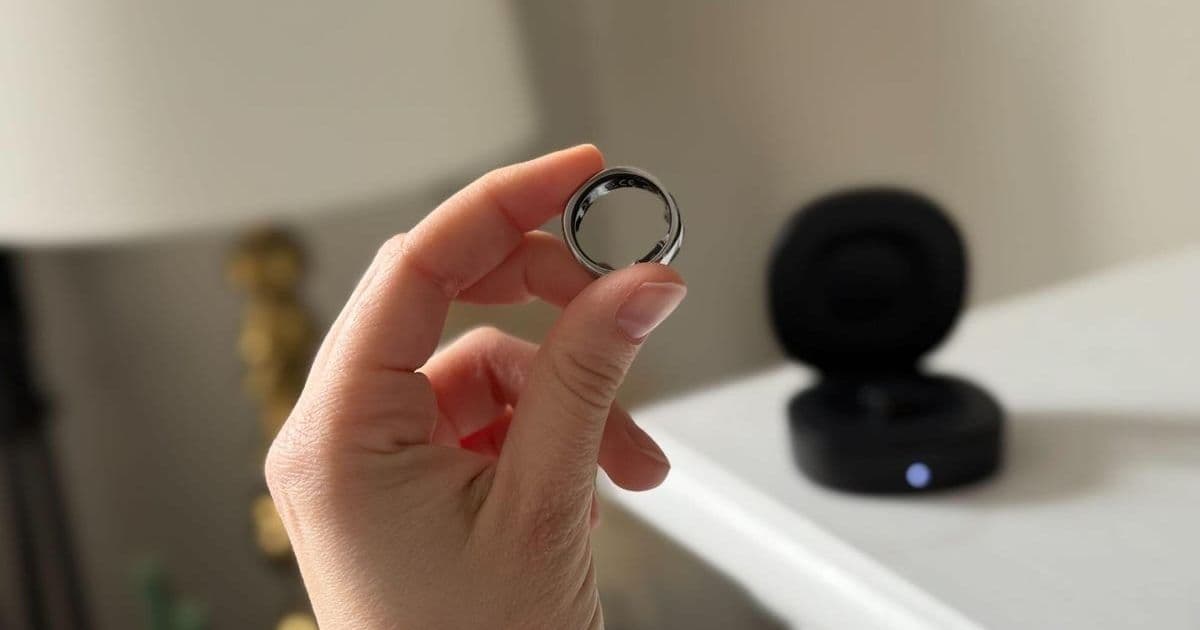

The RingConn Gen 2 smart ring offers robust health tracking—including sleep, stress, and vitals—without a subscription fee, while boasting an industry-leading battery life that lasts up to a week. Despite minor app interface shortcomings, its $300 price and charging case innovation make it a compelling alternative to premium rivals like Oura.
For years, the wearable tech market has been saturated with smart rings promising extended battery life, only to fall short under real-world testing. Enter the RingConn Gen 2, a device that not only challenges this trend but redefines expectations with a subscription-free model and tangible endurance. Priced at $300—significantly lower than competitors like the $350+ Oura Ring—it targets developers and health-tech enthusiasts seeking affordable, low-maintenance biometric tracking.
Engineering a Marathon Performer
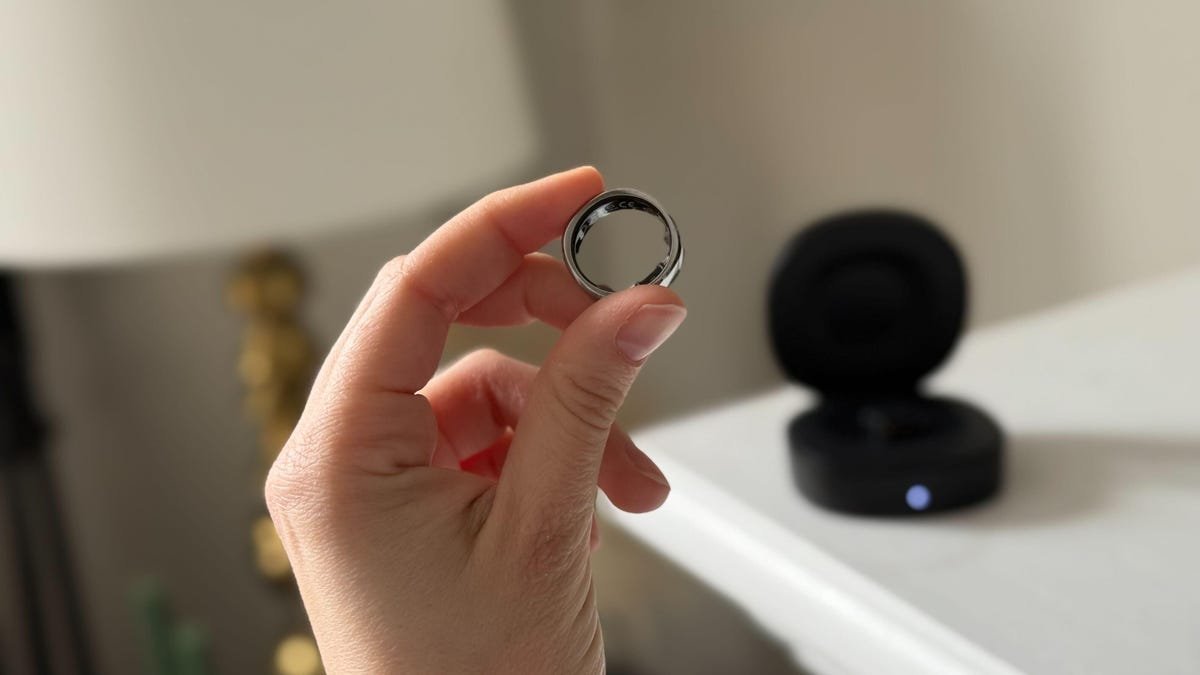
The Gen 2’s standout feature is its battery life, claiming 10–12 days per charge. In rigorous testing by ZDNET, it delivered seven full days—surpassing the 4–5 days typical of rivals. This isn’t just convenience; it’s a technical feat in miniaturization, leveraging efficient sensor integration and power management. The included charging case amplifies this, storing 150 days of backup power for on-the-go top-ups. For engineers, this highlights advancements in energy-dense battery tech and IoT efficiency—critical for future wearable designs.
"I can say without a doubt that this smart ring has the most impressive battery life out of every brand I’ve tried," notes Nina Raemont, ZDNET’s Wearables Editor, who tested the device against the Oura Ring 4.
Health Tracking: Data-Rich but UI-Light
Under the hood, the ring monitors sleep, activity, stress, and vitals using PPG sensors and accelerometers. It replaces generic "readiness" scores with a unique "Wellness Balance" visualization—a flower-shaped graph showing holistic health metrics. For data-savvy users, this provides immediate, digestible insights. Sleep apnea detection, with 90.7% accuracy, adds clinical value by mapping SpO2 fluctuations overnight, appealing to developers working on predictive health algorithms.
However, the app interface feels underdeveloped. Messages like "Good sleep makes you happy" lack personalized depth, and discrepancies emerged in testing: RingConn underestimated sleep by ~15 minutes and steps by 4,000 compared to Oura. This underscores the challenges in sensor calibration and data interpretation—key considerations for tech teams refining wearable firmware.
The Verdict for Tech Innovators
At its core, the RingConn Gen 2 proves that cost-effective wearables can excel in battery innovation and core functionality, forcing giants like Oura to rethink subscription dependencies. While its app needs refinement, the hardware sets a new benchmark for endurance, making it ideal for developers prioritizing minimal charging cycles and open data access. As wearables evolve, this ring signals a shift toward sustainable, user-first design—where longevity isn’t just promised, but proven.
Source: ZDNET, by Nina Raemont, July 22, 2025
Comments
Please log in or register to join the discussion