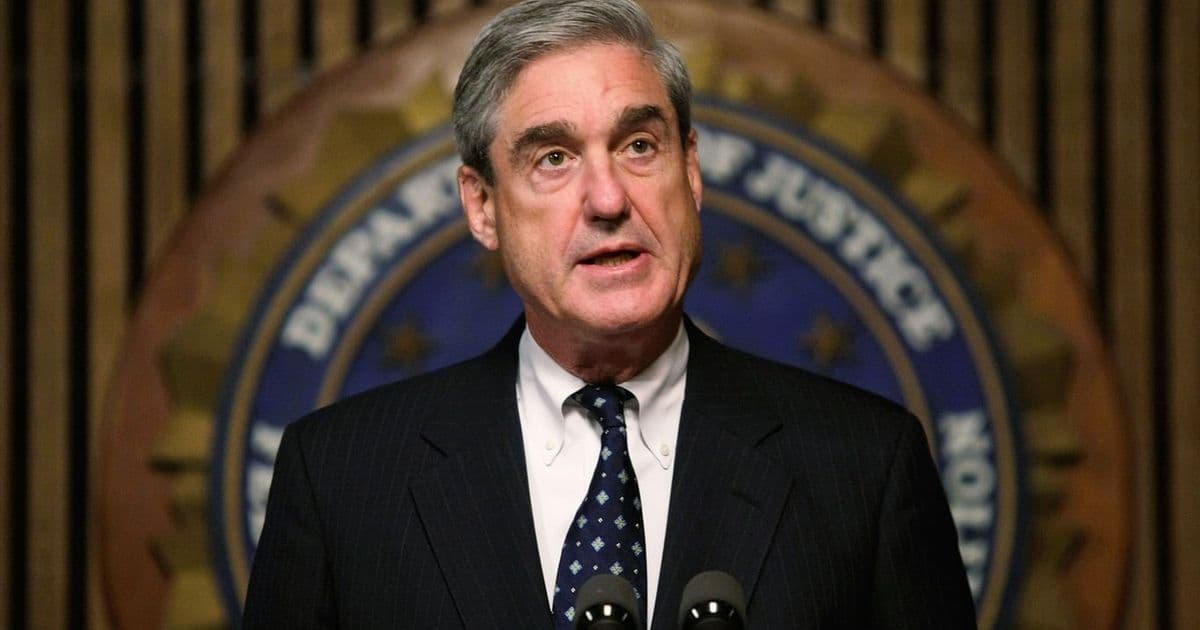
Robert Mueller, the former FBI director who served as special counsel investigating Russian interference in the 2016 election, has died at age 81.
Robert Mueller, the former FBI director who served as special counsel investigating Russian interference in the 2016 election and potential ties to the Trump campaign, has died at age 81, according to multiple news reports.
Mueller, who led the FBI from 2001 to 2013 under both Republican and Democratic administrations, was appointed special counsel in May 2017 by Deputy Attorney General Rod Rosenstein following the firing of FBI Director James Comey. His investigation examined whether the Trump campaign had coordinated with Russian efforts to influence the 2016 presidential election.
The Mueller Investigation: Scope and Findings
The investigation, which concluded in March 2019, resulted in a 448-page report that detailed extensive Russian interference in the 2016 election through social media manipulation and hacking operations. The report outlined multiple contacts between Trump associates and Russian officials but did not establish a criminal conspiracy.
Mueller's team charged 34 individuals and three companies, including six Trump associates. The investigation produced 199 criminal counts, with several high-profile convictions including former Trump campaign chairman Paul Manafort and former national security adviser Michael Flynn.
While the report did not find sufficient evidence to charge a criminal conspiracy, it also did not exonerate Trump on obstruction of justice questions. Mueller stated that Justice Department policy prevented him from indicting a sitting president, leaving the matter for Congress to consider.
The investigation became a flashpoint in American politics, with Trump and his allies attacking it as a "witch hunt" while critics argued Mueller's findings warranted further congressional action.
Career Before the Special Counsel Role
Before his appointment as special counsel, Mueller had a distinguished career spanning five decades in public service. He served as FBI director for 12 years, making him one of the longest-serving directors in the bureau's history. His tenure included the FBI's response to the September 11, 2001 terrorist attacks and the subsequent reorganization of the bureau's counterterrorism efforts.
Prior to leading the FBI, Mueller worked as a federal prosecutor, serving as U.S. Attorney for the Northern District of California and later as Assistant Attorney General for the Criminal Division. He also served in the Marine Corps during the Vietnam War, earning a Bronze Star and Purple Heart.
Legacy and Impact
Mueller's investigation fundamentally shaped the political landscape of the Trump presidency and continues to influence discussions about election security, foreign interference, and the limits of presidential power. His methodical, by-the-book approach to the investigation earned him respect across party lines, even as the investigation's findings remained politically contentious.
His death marks the end of a significant chapter in American political history, closing the book on one of the most consequential investigations of the modern era. The Mueller investigation's impact on American politics, law enforcement practices, and the understanding of foreign interference in elections will likely be debated for years to come.
What Comes Next
The passing of Robert Mueller removes a key figure from the ongoing discussions about the 2016 election interference and the investigations that followed. While his report remains a matter of public record, the absence of Mueller himself may shift how his legacy is interpreted and discussed in political and legal circles.
His death also represents the loss of a figure who, despite serving in politically charged roles, maintained a reputation for integrity and non-partisanship throughout his career. As investigations into election interference and political accountability continue to evolve, Mueller's approach to his special counsel role may serve as a reference point for future special prosecutors and independent investigators.
Comments
Please log in or register to join the discussion