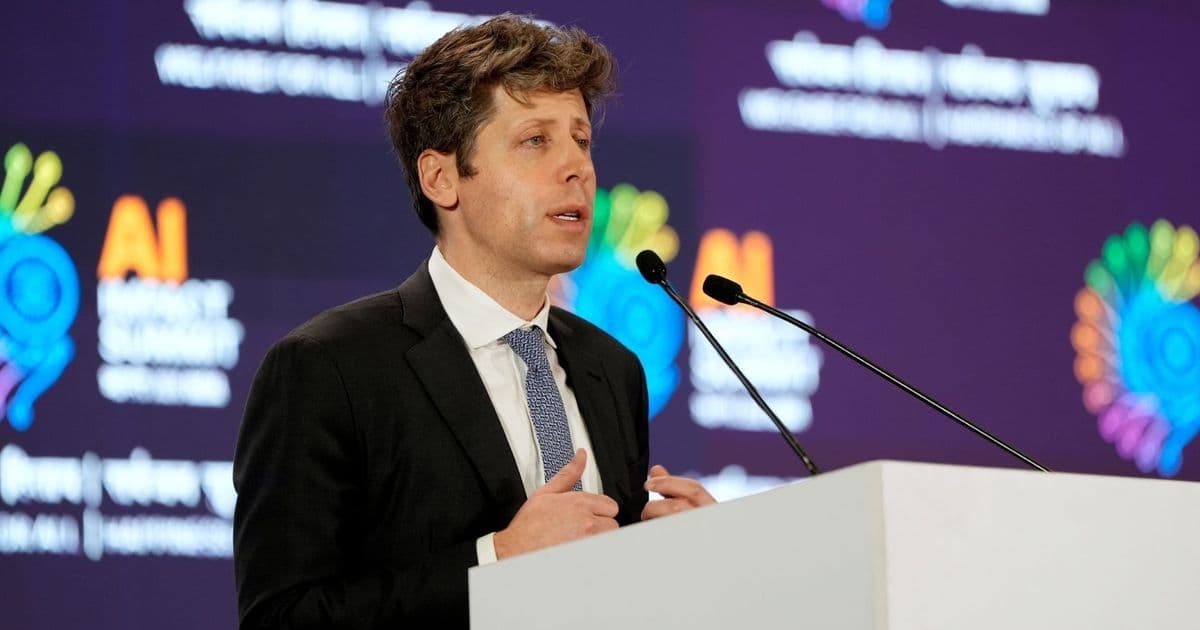
OpenAI CEO Sam Altman cautions that corporations are increasingly blaming AI for workforce reductions they would have implemented regardless, while acknowledging genuine AI-driven job displacement will soon become palpable.
Sam Altman Warns of 'AI Washing' Trend as Companies Mask Layoffs
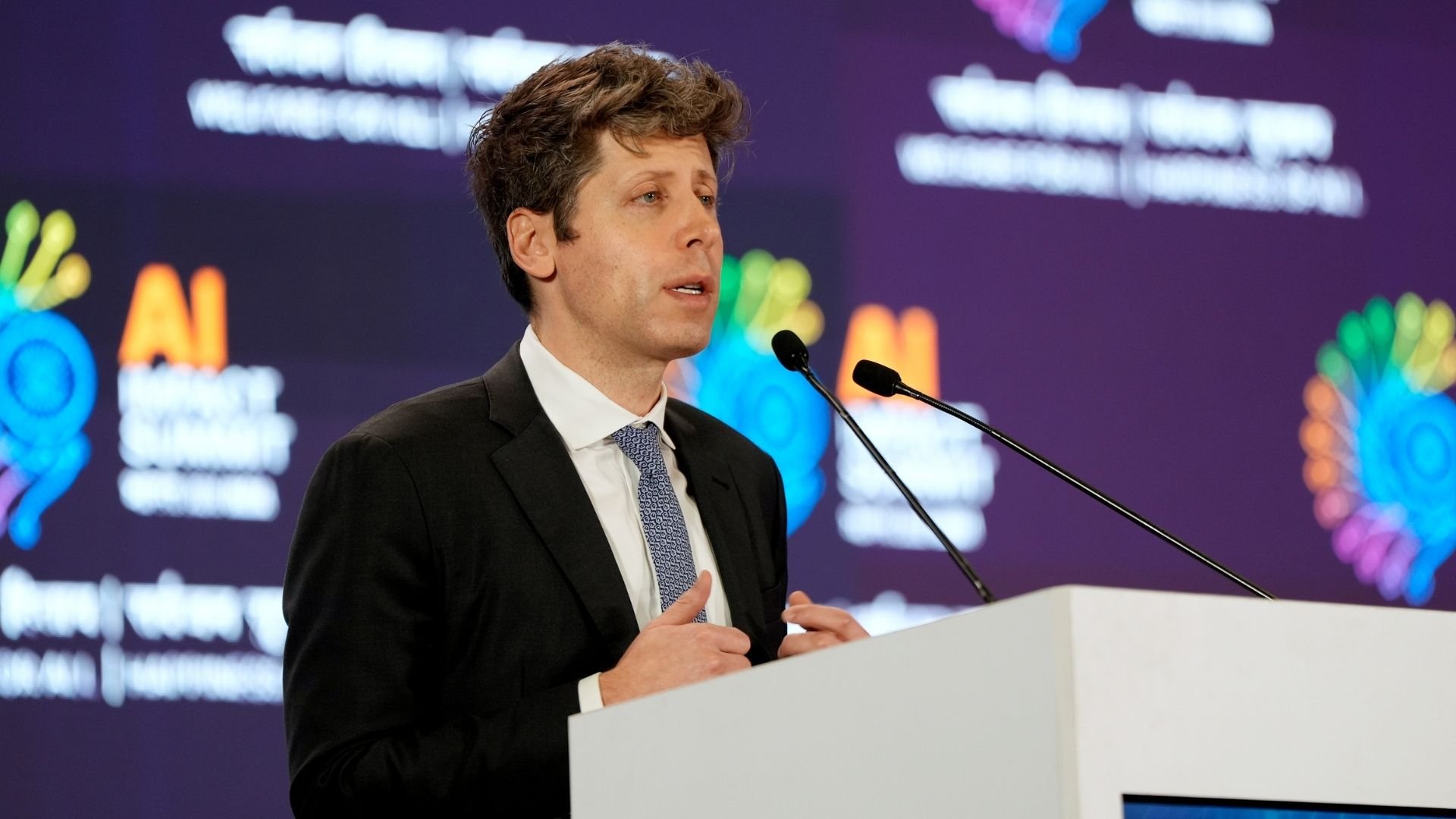 Sam Altman speaking at the India AI Impact Summit in February 2026 (Image credit: Getty Images)
OpenAI CEO Sam Altman has identified a concerning corporate trend termed "AI washing," where companies falsely attribute layoffs to artificial intelligence adoption when those workforce reductions would have occurred regardless of technological shifts. Speaking at the India AI Impact Summit, Altman differentiated between this phenomenon and legitimate AI-driven job displacement, which he expects to accelerate significantly within the next few years.
According to Altman, "There's some AI washing where people are blaming AI for layoffs that they would otherwise do, and then there's some real displacement by AI of different kinds of jobs." Data from a National Bureau of Economic Research survey supports this observation, showing that 80% of executives reported no measurable impact from AI on productivity or employment levels in their organizations.
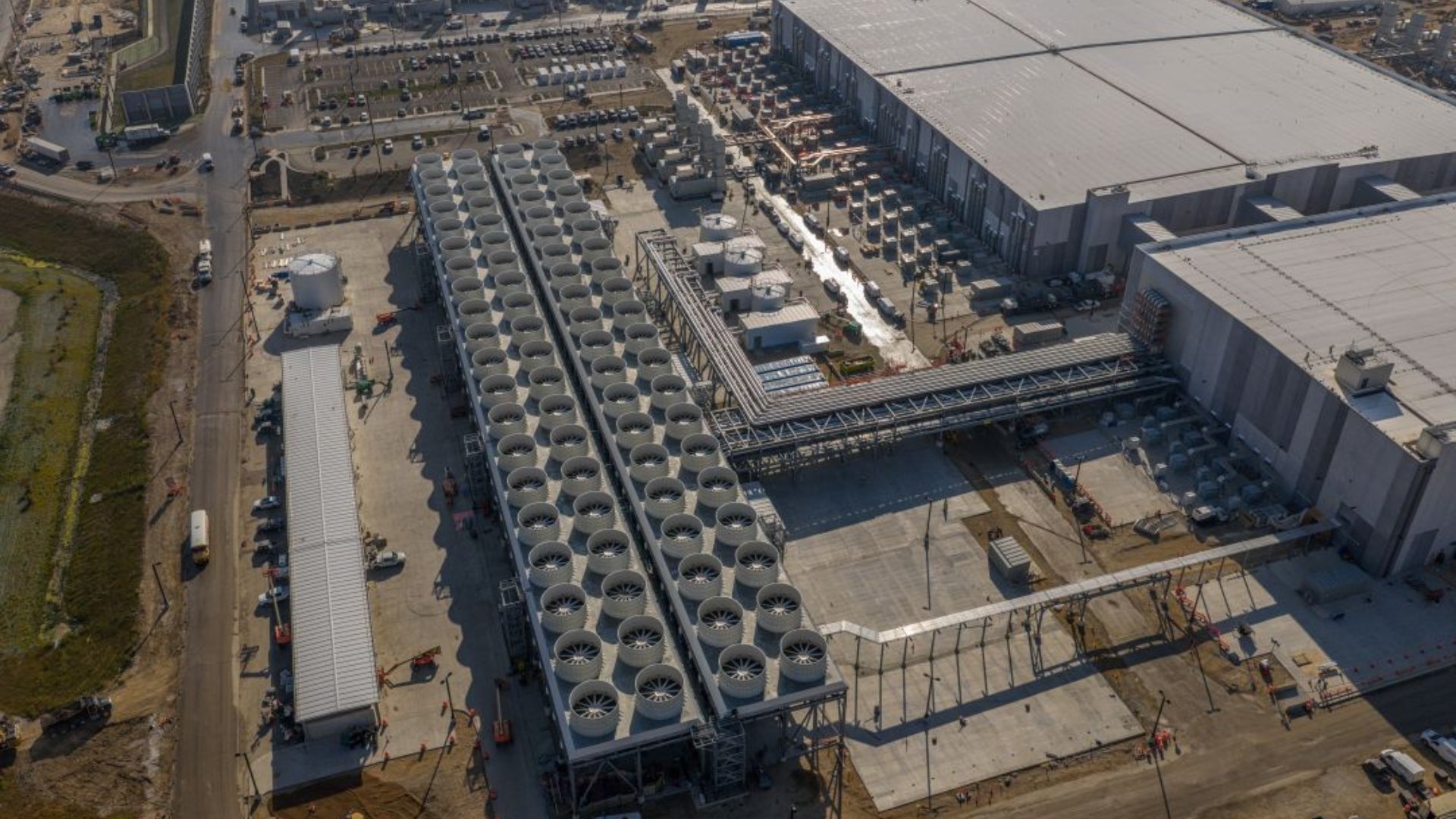 Microsoft data center in Mount Pleasant, Wisconsin (Image credit: Microsoft)
Further analysis from Yale Budget Lab examining U.S. Bureau of Labor Statistics data revealed no statistically significant changes in occupational shifts or unemployment duration following ChatGPT's public release through November 2025. This contradicts claims of widespread AI-induced job losses currently affecting global labor markets.
Despite current data showing limited real-world impact, venture capital investment in AI technologies exceeded $258 million globally in 2025. This substantial capital allocation creates pressure for ROI demonstrations, potentially incentivizing corporations to overstate AI's operational impact. Altman maintains long-term optimism about job market evolution, stating: "We'll find new kinds of jobs, as we do with every tech revolution," while acknowledging coming disruptions will be "palpable" for affected workers.
The emerging pattern highlights tension between AI's transformative potential and current implementation realities. As Microsoft AI executive Mustafa Suleyman predicts white-collar job displacement within 18 months, Altman's warning underscores the need for transparent discourse separating technological advancement from corporate restructuring narratives.
Comments
Please log in or register to join the discussion