
The creators of the Samourai Wallet cryptocurrency mixer admitted to operating an unlicensed money-transmitting business that processed over $2 billion in illicit Bitcoin, targeting dark web markets and cybercrime. Their guilty plea underscores the escalating crackdown on crypto tools enabling financial anonymity.

Keonne Rodriguez and William Lonergan Hill, the CEO and CTO behind the notorious Samourai Wallet cryptocurrency mixer, have pleaded guilty to laundering more than $200 million for cybercriminals. This admission in U.S. federal court marks a pivotal moment in the battle against illicit financial networks leveraging blockchain technology. Both founders now face up to five years in prison and have agreed to forfeit nearly $238 million, highlighting the severe consequences of facilitating anonymous digital crime.
The Rise and Fall of a Crypto Mixer Empire
Samourai Wallet operated from 2015 to 2024, offering services like Whirlpool (a Bitcoin mixer) and Ricochet (which added unnecessary transactions to obscure fund trails). These tools processed over 80,000 Bitcoins—valued at more than $2 billion—sourced from dark web markets, DeFi frauds, and cyber intrusions. Court documents reveal Rodriguez and Hill actively marketed Samourai on dark web forums as a way to make Bitcoin "untraceable" and for "cleaning dirty BTC." In one damning WhatsApp exchange, Rodriguez bluntly referred to mixing as "money laundering for bitcoin."
A Web of Criminal Complicity
The founders didn't just enable crime; they encouraged it. In 2020, after tracking proceeds from a major hack, Rodriguez and Hill urged the perpetrators to use Whirlpool instead of reporting the theft. When the hackers chose a competitor, both expressed public disappointment on social media. This pattern of complicity extended to generating over $6 million in fees from illicit transactions, underscoring how Samourai profited from chaos.
Law Enforcement's Decisive Strike
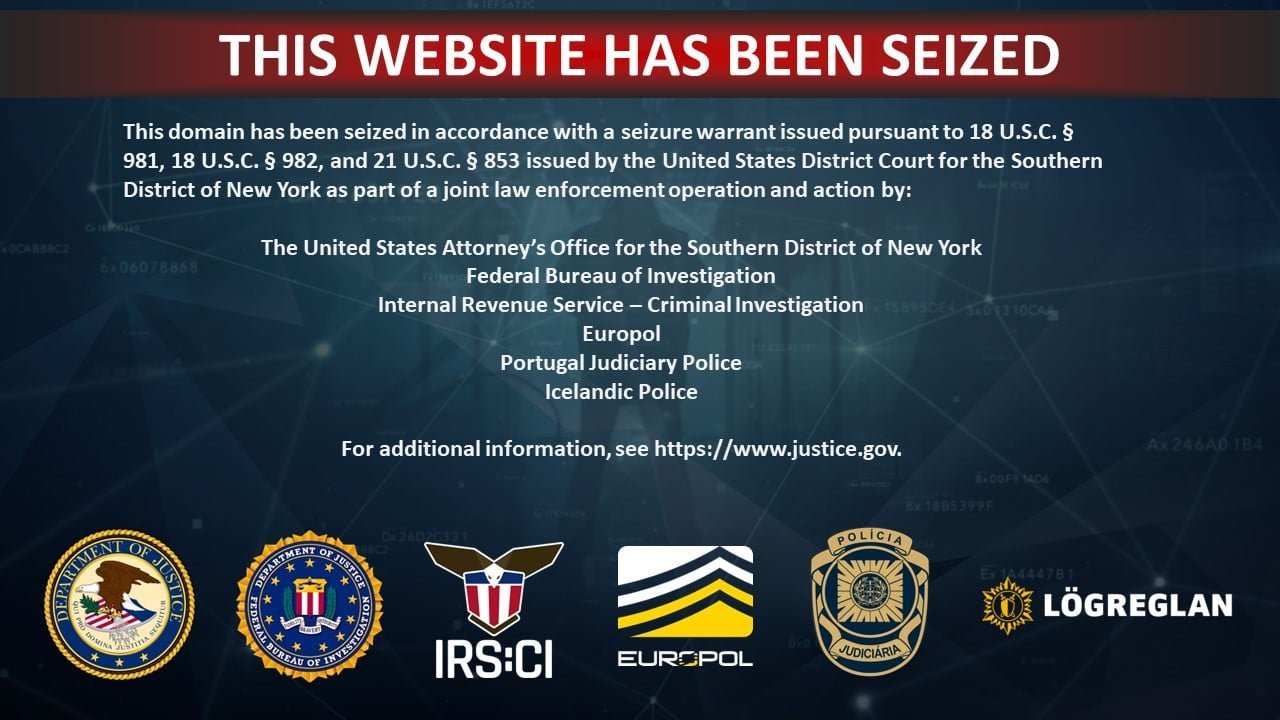
In April 2024, U.S. and Icelandic authorities dismantled Samourai's operations, seizing its domains (samouraiwallet[.]com and samourai[.]io) and servers, while Google removed its Android app from the Play Store. The app had been downloaded over 100,000 times, demonstrating the widespread appeal—and danger—of such tools. Attorney for the United States Nicolas Roos emphasized the gravity: "The defendants created and operated a cryptocurrency mixing service that they knew enabled criminals to wash millions in dirty money." IRS-CI Special Agent Harry T. Chavis, Jr. added, "They did not just facilitate this illicit movement of money, but also encouraged it."
Why This Matters for Tech and Security
This case signals a tightening noose around cryptocurrency anonymity services, reflecting broader regulatory pressures. For developers and security professionals, it underscores the risks of building tools that prioritize opacity over compliance. As blockchain adoption grows, expect intensified scrutiny on mixers and tumblers—tools once hailed for privacy now increasingly weaponized in cybercrime. The Samourai saga serves as a stark reminder: in the digital age, facilitating financial shadows carries real-world repercussions that extend far beyond code.
Source: BleepingComputer
Comments
Please log in or register to join the discussion