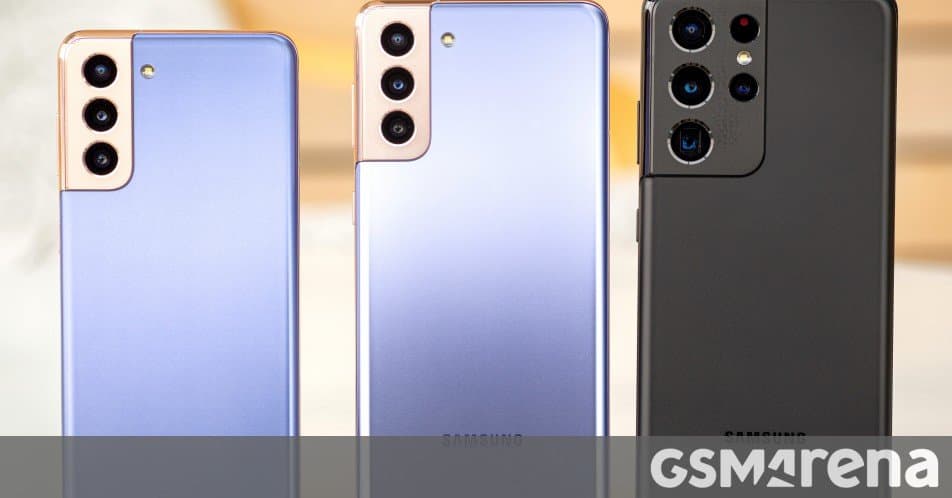
Samsung's Galaxy S21, S21+, and S21 Ultra have reached end-of-life, with security updates ceasing after five years of support.
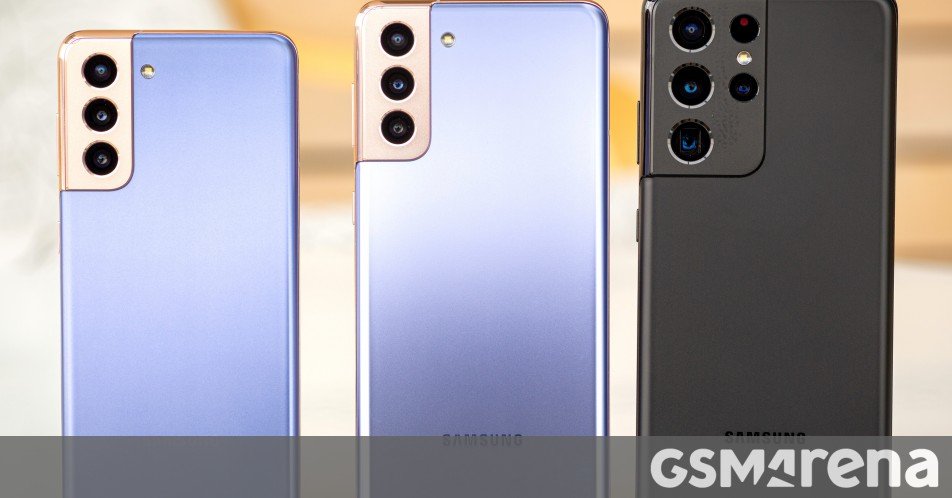
The Samsung Galaxy S21 series has officially reached the end of its support lifecycle, marking a significant milestone for one of Android's most popular flagship lineups. After five years of receiving security updates and four major Android OS upgrades, Samsung has discontinued software support for the Galaxy S21, S21+, and S21 Ultra.
The End of an Era
Launched in January 2021, the Galaxy S21 series represented Samsung's bold redesign of its flagship lineup, introducing the distinctive Contour Cut camera design and establishing new standards for premium Android smartphones. The trio offered something for every user: the compact S21, the balanced S21+, and the feature-packed S21 Ultra with its advanced camera system and S Pen compatibility.
Samsung's commitment to five years of security updates was industry-leading at the time of release, though the company has since raised the bar with its 2024 flagship lineup, promising seven years of both security updates and major Android OS upgrades. This evolution in support policy highlights how quickly mobile technology standards advance.
Security Implications
With the cessation of security updates, owners of these devices face increasing security risks. Modern smartphones are complex computing devices that handle sensitive personal and financial data, making them attractive targets for malicious actors. Without regular security patches, vulnerabilities discovered in the Android operating system or Samsung's One UI interface will remain unpatched, potentially exposing users to various security threats.
This situation creates a dilemma for users who may still find their S21 devices perfectly functional for everyday tasks. The hardware remains capable, but the lack of security updates means these devices should be considered less suitable for activities involving sensitive information, such as mobile banking, work communications, or storing personal documents.
Upgrade Considerations
The natural progression for S21 owners looking to stay within Samsung's ecosystem points toward the current Galaxy S25 series. The S25, S25+, and S25 Ultra maintain the same core philosophy as their predecessors while incorporating the latest technological advancements.
Current pricing shows the Galaxy S25 starting at €589.90 for the 128GB model, with the S25+ and S25 Ultra commanding higher prices at €759.98 and €947.70 respectively for their base configurations. These represent significant investments, though market dynamics typically drive prices down when new models are announced.
The Broader Context
This transition reflects the rapid pace of smartphone evolution. Five years in the mobile industry represents multiple generations of technological advancement. The S21 series debuted with the Snapdragon 888 and Exynos 2100 processors, while current flagships feature significantly more powerful chipsets with improved efficiency and AI capabilities.
Camera technology has similarly advanced, with computational photography and AI-driven features becoming increasingly sophisticated. Display technology, battery efficiency, and connectivity options have all seen substantial improvements in the intervening years.
What This Means for Users
For current S21 owners, this development serves as a clear signal to begin planning for a device upgrade. While the phones will continue to function for basic tasks, the security implications make continued use increasingly risky. The good news is that Samsung's current lineup offers compelling upgrades with enhanced features, better performance, and crucially, extended support commitments.
Those considering alternatives might also explore Samsung's more recent A-series devices or even consider the growing market of refurbished flagship phones from previous years, which can offer excellent value while still maintaining reasonable security update support.
The end of support for the Galaxy S21 series marks not just the conclusion of a product lifecycle, but also represents the ongoing evolution of the smartphone industry, where technological advancement and security considerations continue to drive consumer upgrade cycles.
Comments
Please log in or register to join the discussion