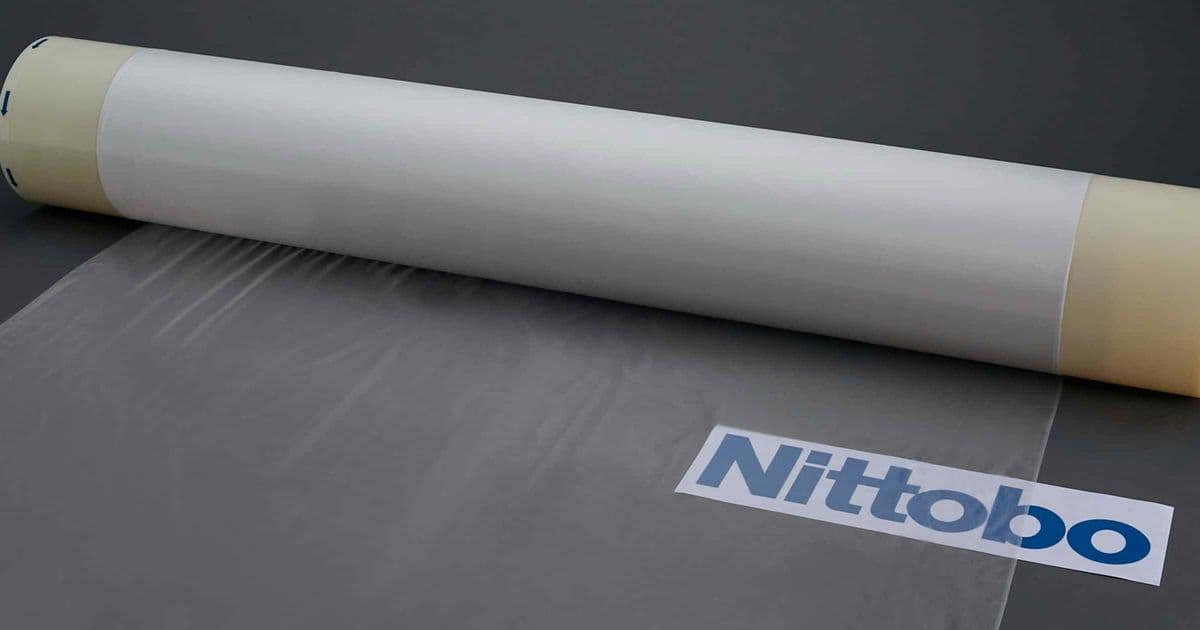
Nitto Boseki, a key Apple supplier, plans to launch an upgraded glass fiber cloth by 2028 to address heat-related warping in next-generation AI semiconductors, as tech giants like Nvidia and Google compete for this critical material.
Japan's Nitto Boseki is preparing to launch an upgraded version of its in-demand glass fiber cloth as early as 2028, aiming to address a critical bottleneck in the production of increasingly powerful artificial intelligence semiconductors. The improved material will offer enhanced resistance to heat-related warping, a growing concern as AI chips push the boundaries of performance and thermal management.
Nitto Boseki's glass cloth has become a crucial component in high-performance AI chips due to its low thermal expansion properties. The material serves as a substrate that helps maintain structural integrity under extreme temperature fluctuations during chip operation. As AI processors generate more heat while delivering greater computational power, the demand for materials that can withstand these conditions without deforming has intensified.
Major technology companies, including Nvidia and Google, are actively competing to secure supplies of this specialized material from Nitto Boseki, recognizing its importance in their AI hardware development pipelines. The competition reflects the broader industry trend of tech giants seeking to control critical components in the AI supply chain to maintain competitive advantages.
The timing of Nitto Boseki's upgrade is significant, coming as the semiconductor industry faces increasing pressure to deliver more powerful AI chips while managing thermal challenges. The company's decision to improve its glass cloth addresses a fundamental limitation that could otherwise constrain the performance gains of next-generation AI processors.
This development highlights the intricate dependencies within the AI hardware ecosystem, where advancements in materials science directly impact the capabilities of cutting-edge computing systems. As AI applications continue to expand across industries, the ability to produce reliable, high-performance chips becomes increasingly critical to technological progress.
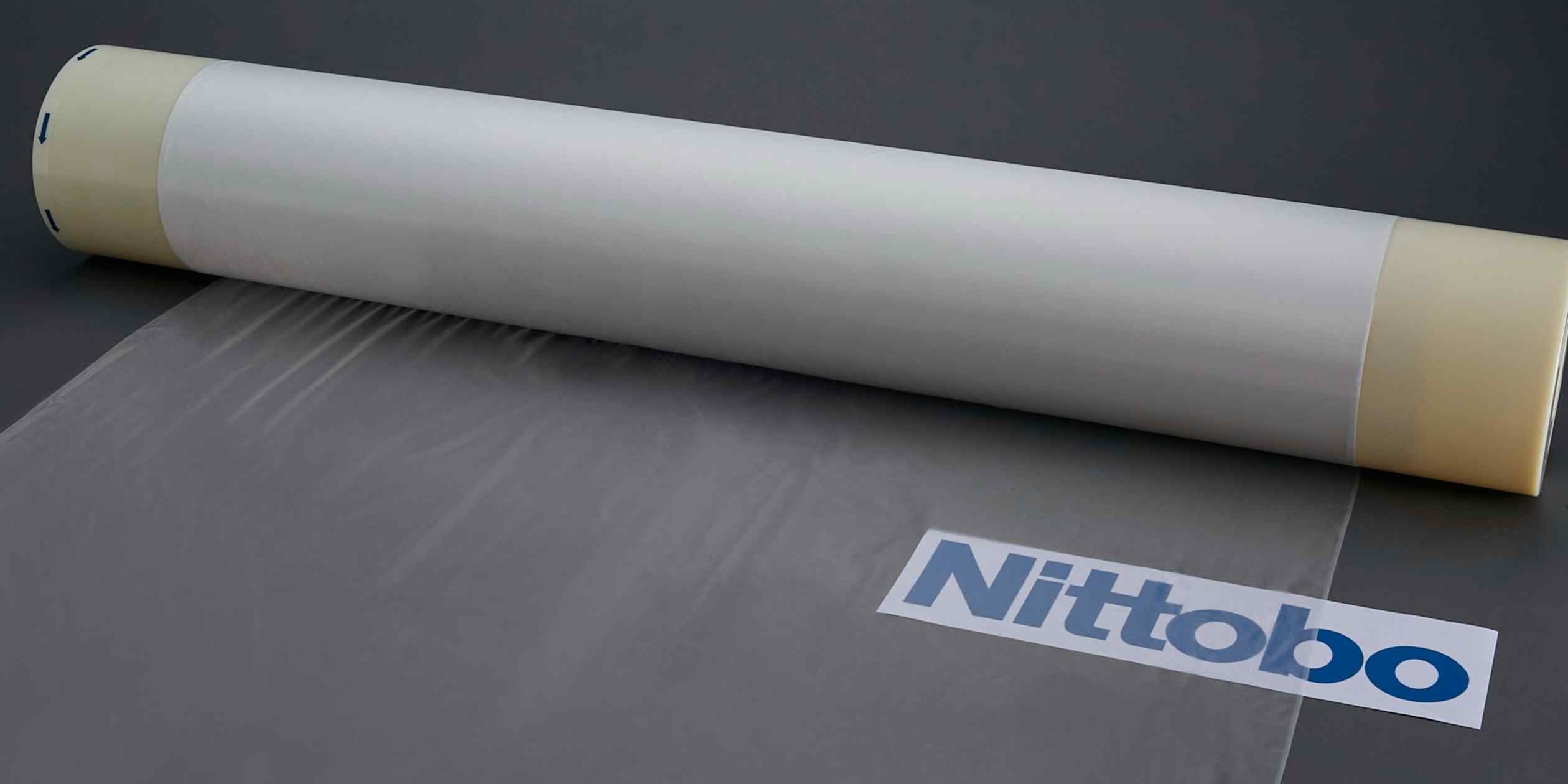
The upgraded glass cloth represents more than just a material improvement—it's a strategic move in the ongoing race to develop more powerful AI infrastructure. Companies that can secure access to superior materials gain a competitive edge in the development of next-generation AI systems, potentially influencing the pace of innovation across the entire sector.
Nitto Boseki's initiative also underscores the importance of Japanese suppliers in the global AI supply chain. Despite intense competition from other manufacturing hubs, Japanese companies continue to play vital roles in producing specialized components that are difficult to replicate elsewhere, maintaining their relevance in an increasingly competitive global market.
As the AI industry moves toward more powerful and thermally demanding processors, solutions like Nitto Boseki's improved glass cloth will become increasingly essential. The material's enhanced properties could enable chip designers to push performance boundaries further while maintaining reliability, potentially accelerating the development of more capable AI systems across various applications.
Comments
Please log in or register to join the discussion