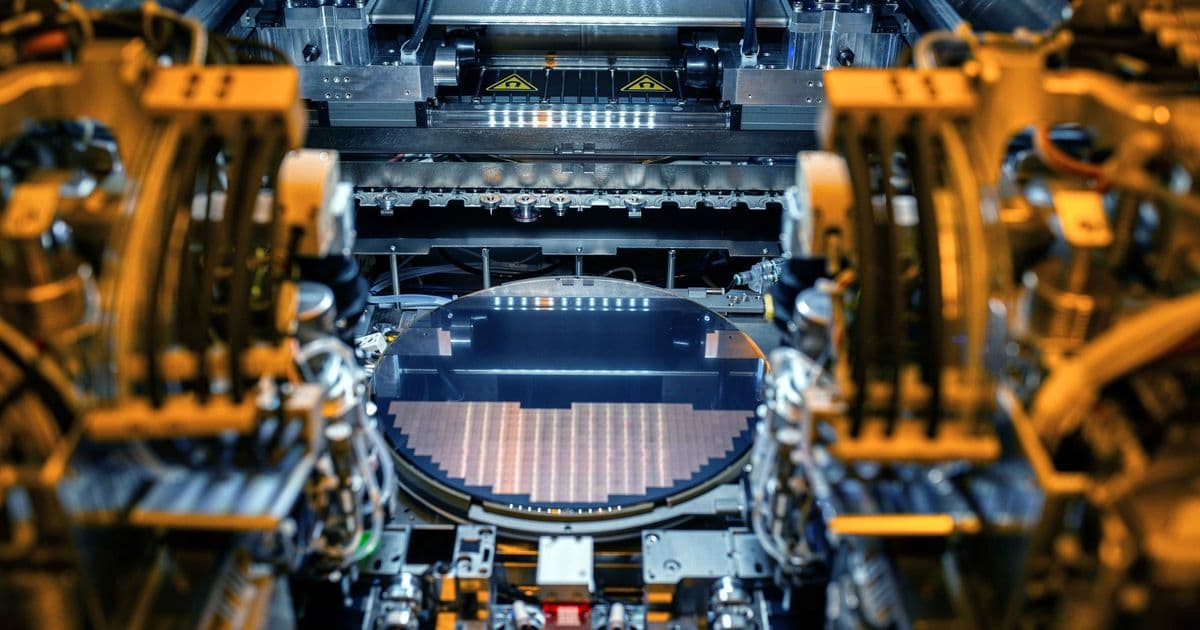
Sources say Apple and Intel have reached a preliminary agreement for Intel to fabricate future Apple silicon, marking the first major foundry partnership for Apple since its shift to TSMC. The move could see Intel’s 18‑angstrom node powering entry‑level M‑series chips, offering Apple a U.S.‑based alternative amid ongoing capacity constraints at TSMC.
Apple’s search for a second major foundry appears to be moving beyond speculation. According to multiple insiders cited by the Wall Street Journal, the two companies have signed a preliminary agreement that would task Intel with manufacturing a new generation of Apple‑designed processors. While the exact product line has not been disclosed, the talks have been ongoing for more than a year and entered a formal negotiation phase in the last few months.
Technical backdrop
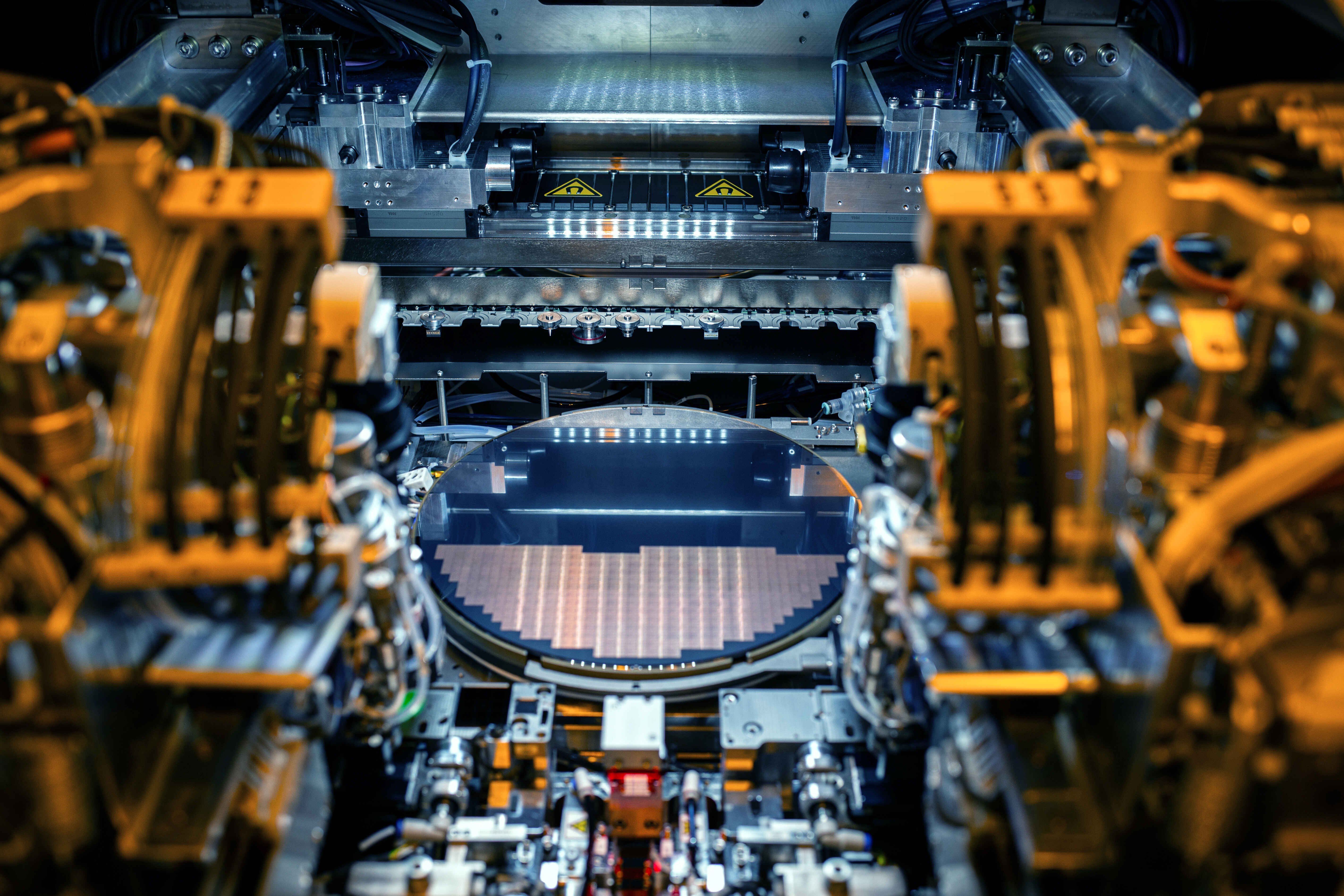
Apple’s current silicon roadmap relies almost entirely on TSMC’s 5‑nm and 3‑nm processes. Intel’s most advanced mass‑production node, the 18‑angstrom (1.8 nm) “Intel 18A,” entered volume manufacturing in early 2024 and promises the following key metrics:
- Logic density: roughly 120 MTr/mm², comparable to TSMC’s N5 node.
- Performance per watt: up to 15 % higher than the 7‑nm Intel 20A platform, according to Intel’s internal benchmarks.
- Peak transistor count: about 22 billion per 20 mm² die, sufficient for an entry‑level M‑series SoC targeting the MacBook Air and entry‑level iPad models.
If Apple elects to use the 18A process for its next‑generation M‑series chips, the resulting silicon could match or exceed the performance of the current M1‑Pro/M1‑Max family while delivering a modest power advantage—critical for thin‑and‑light devices.
Why Intel now?
Apple’s reliance on a single fab has become a strategic risk. TSMC’s capacity is booked through 2025, and the company is still ramping up its 2‑nm production, which will not be available in volume until 2027. Recent chip shortages have amplified concerns about a single‑source supply chain, prompting Apple to explore a U.S.‑based partner that can provide:
- Geographic redundancy – Intel’s fabs in Arizona and Ohio keep critical production on American soil, reducing exposure to geopolitical disruptions.
- Foundry expertise – Intel has rebuilt its IDM‑2.0 model, separating design from manufacturing and offering third‑party customers access to its advanced nodes.
- Process compatibility – The 18A node’s use of extreme‑ultraviolet (EUV) lithography aligns with Apple’s design rules, simplifying the migration from TSMC’s N5/N3.
Intel’s previous foray into Apple silicon—producing the Intel‑based Macs from 2006 to 2023—ended when Apple transitioned to its own ARM‑based designs. The current talks suggest Intel has learned from that era; its foundry team now operates under a dedicated business unit that reports directly to CEO Pat Gelsinger, focusing on customer‑specific process optimizations.
Market implications
- Apple’s supply‑chain flexibility: Adding Intel as a secondary fab could allow Apple to allocate higher‑margin, performance‑critical chips to TSMC while sourcing cost‑effective, high‑volume parts from Intel. This split could smooth out the ramp‑up of the upcoming M‑series refresh expected in late 2026.
- Intel’s revenue outlook: A multi‑year contract for Apple silicon would inject a stable, high‑volume stream into Intel’s foundry business, which currently accounts for roughly 15 % of its total revenue. Analysts estimate that a 5‑nm‑equivalent Apple order could add $2‑3 billion annually to Intel’s top line.
- TSMC’s response: TSMC may accelerate its capacity expansion in the United States—its $165 billion investment plan announced earlier this year—to retain Apple’s primary business. The competitive pressure could also spur faster yields on its 2‑nm node.
- Stock market reaction: Intel’s shares have already climbed above $126 following the rumor, reflecting investor optimism about a marquee customer. Apple’s stock remains largely unchanged, as the market awaits official confirmation.
Outlook
The next steps involve detailed engineering sign‑offs and a clear definition of which Apple silicon families will be produced on Intel’s line. If the agreement proceeds to a formal contract by Q4 2024, silicon samples could appear in prototype devices by mid‑2025, aligning with Apple’s typical product refresh cadence.
For now, both companies have declined to comment publicly. The industry will be watching closely as the details emerge, because the partnership could reshape the competitive dynamics of advanced semiconductor manufacturing for the next decade.
Sources: Wall Street Journal, Intel Investor Relations, Apple supply‑chain analysts
Comments
Please log in or register to join the discussion