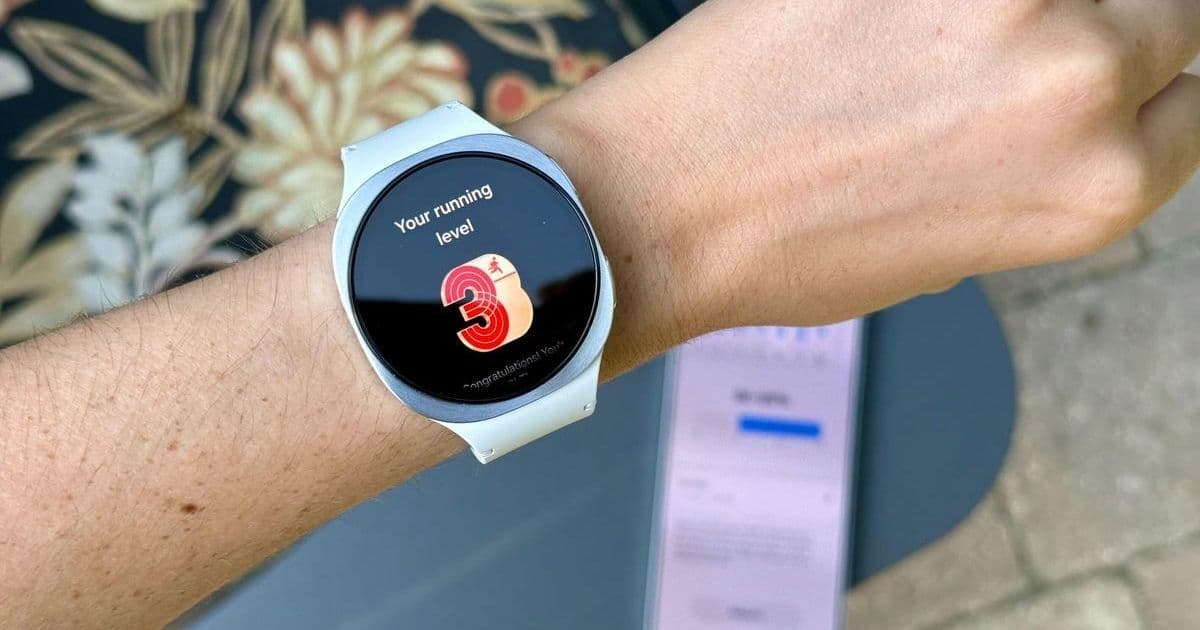
Samsung's Galaxy Watch 8 impresses with its ultra-thin design, 3,000-nit display, and standout AI-powered Running Coach for personalized training, though experimental features like Antioxidant Index suffer from accuracy issues. Priced from $349, it's a compelling Android alternative to Apple and Google's offerings, signaling Samsung's deeper push into AI-driven health tech.
Samsung's Galaxy Watch 8 has arrived, positioning itself as a flagship contender in the crowded smartwatch market with a focus on AI-enhanced fitness and health tracking. Following extensive testing by ZDNET, the device showcases significant hardware advancements and innovative software, though some features feel like works in progress. Released at a starting price of $349, it targets Android users seeking a comprehensive wearable that rivals the Apple Watch Series 10 and Google Pixel Watch 3.
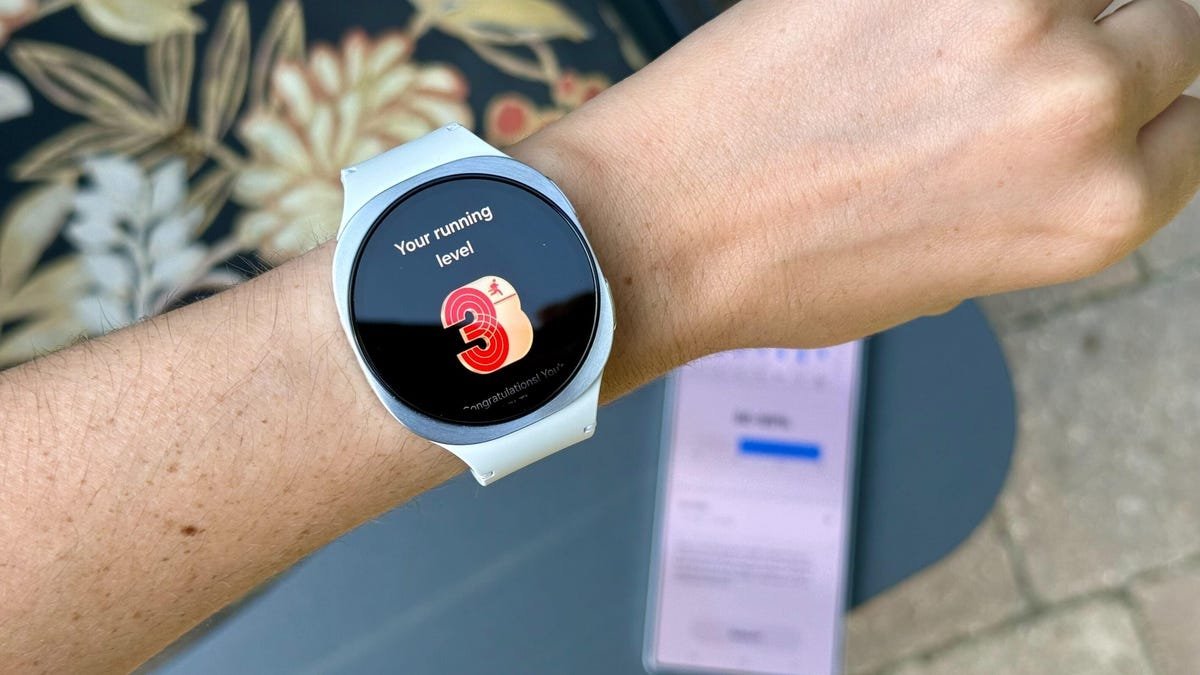
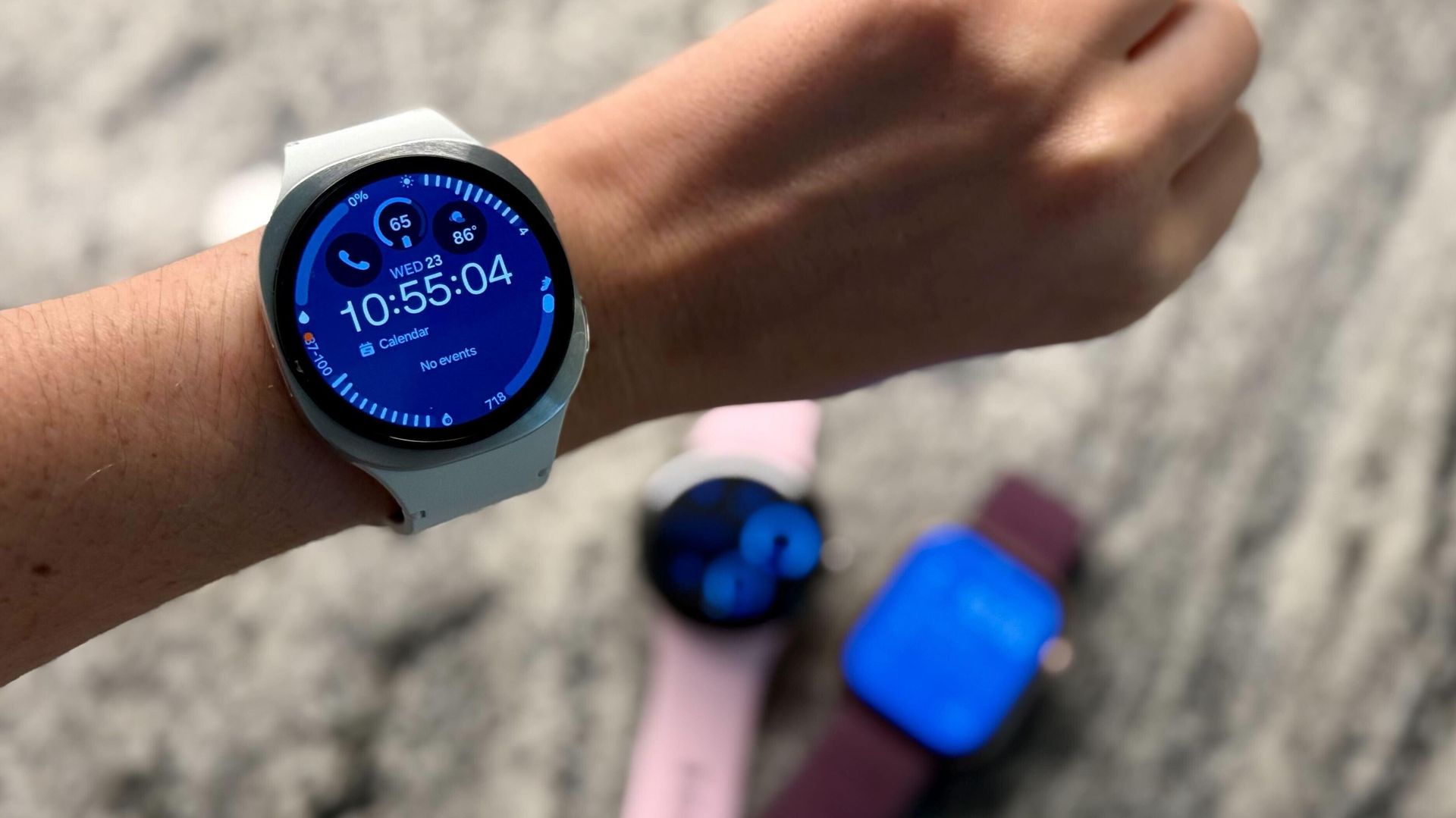
Hardware Excellence and Intuitive Design The Watch 8 stands out with an 11% thinner profile than its predecessor, making it sleeker than the Pixel Watch 3 and nearly matching the Apple Watch Series 10 in portability. Its 3,000-nit display is a technical marvel, offering unparalleled outdoor visibility—a boon for runners and cyclists battling bright sunlight. Battery life varies by model: the 40mm version lasts about 1.5 days with always-on display enabled, while larger variants may extend further. The new Multi-Info tiles exemplify thoughtful UX design, allowing quick access to frequently used functions like weather checks or activity tracking via simple swipes, reducing screen-tap fatigue.
AI-Driven Health Features: Hits and Misses Samsung's investment in health tech shines in features like the Running Coach, which uses AI to assess fitness levels through a 12-minute test and generates personalized training plans. As noted in ZDNET's testing, this tool is transformative for runners, providing actionable insights that motivate users from novices to marathon trainees. However, not all innovations hit the mark. The Antioxidant Index, which scans biomarkers via the BioActive Sensor, repeatedly delivered inconsistent results—ranking a tester's levels as "low" despite a nutrient-rich diet. Samsung attributes this to skin surface variations, but it underscores the challenge in translating sensor data into reliable health metrics. Other additions like Bedtime Guidance and Cardio Load show promise by optimizing sleep and activity recovery, though they require more longitudinal data to prove efficacy.
Competitive Landscape and Industry Implications Compared to rivals, the Watch 8's hardware advantages and AI coaching give it an edge for fitness enthusiasts, but its health-sensing limitations highlight a broader industry issue: the gap between aspirational biometrics and clinical accuracy. Samsung's recent acquisition of digital health brand Xealth suggests a strategic pivot toward healthcare, positioning the Watch 8 as a stepping stone to more advanced medical-grade features. Yet, as this review reveals, developers must prioritize validation and user context to avoid gimmickry.
The Verdict for Tech Enthusiasts For Android users, the Galaxy Watch 8 is a top-tier choice, especially for runners leveraging its AI coaching. Its hardware refinements and battery efficiency make it a daily driver, while the experimental features, though flawed, hint at a future where wearables offer deeper health insights. As wearables evolve, the balance between innovation and reliability will define their role in our digital lives—making the Watch 8 a fascinating case study in ambition versus execution.
Source: Based on original testing and analysis by Nina Raemont for ZDNET. Full review available here.
Comments
Please log in or register to join the discussion