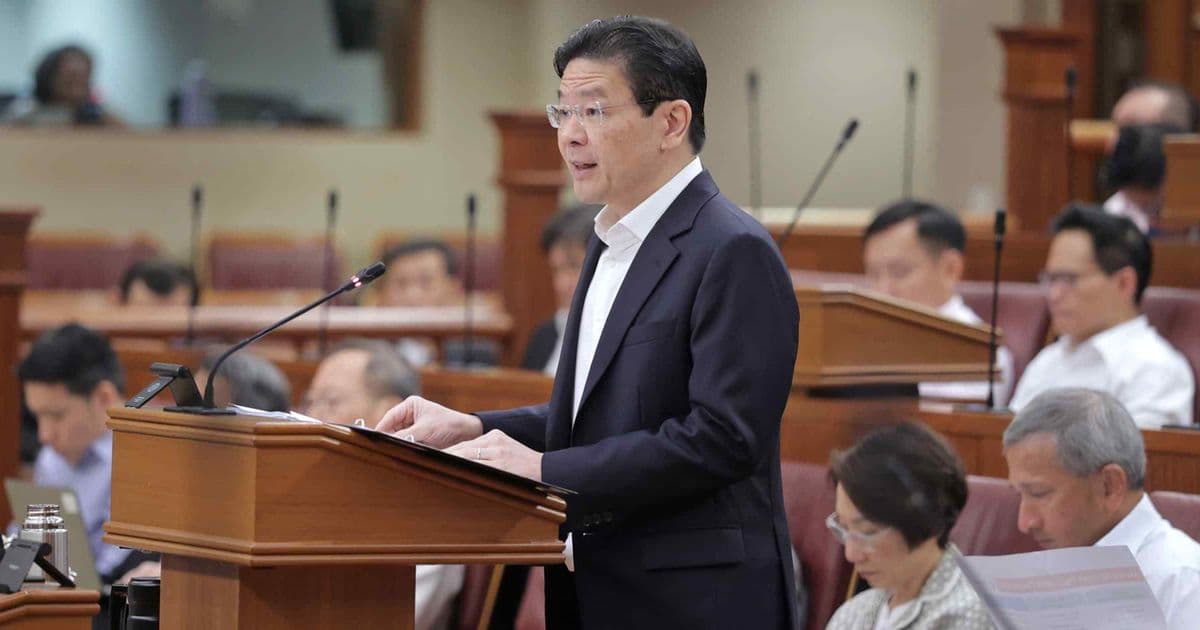
Singapore's 2026 budget allocates nearly $30 billion for AI, semiconductors, and high-tech sectors, alongside expanded tax incentives for AI investments, as the city-state seeks to strengthen its position as a global business hub.
Singapore is positioning itself as a premier destination for technology investment with a massive $30 billion allocation in its 2026 budget, targeting artificial intelligence, semiconductors, and other high-tech sectors. The announcement, made by Prime Minister and Finance Minister Lawrence Wong during a parliamentary address on February 12, 2026, underscores the city-state's determination to maintain its competitive edge as a global business hub amid intensifying regional competition.
Strategic focus on AI and semiconductors
The budget plan reveals Singapore's strategic priorities in the technology sector, with substantial investments earmarked for artificial intelligence development and semiconductor manufacturing. This dual focus reflects the government's recognition of these sectors as critical drivers of economic growth and innovation in the coming decade.
Singapore has been steadily building its AI capabilities, with initiatives ranging from research and development to practical applications across industries. The new funding injection will accelerate these efforts, potentially positioning Singapore as a regional AI hub that can attract top talent and cutting-edge companies.
The semiconductor investment is equally significant, given the global chip shortage and the strategic importance of semiconductor supply chains. Singapore already hosts major semiconductor manufacturing facilities and research centers, and this additional funding will likely expand its capabilities in chip design, fabrication, and advanced packaging technologies.
Expanded tax incentives for AI adoption
Beyond direct investment, the government is broadening tax incentives for companies that invest in artificial intelligence technologies. This move aims to encourage businesses across various sectors to adopt AI solutions, thereby accelerating digital transformation throughout the economy.
The tax incentive expansion represents a pragmatic approach to technology adoption, recognizing that while government investment in research and infrastructure is crucial, widespread commercial adoption is equally important for realizing the full economic benefits of AI.
Context of regional competition
Singapore's aggressive tech investment comes amid growing competition from other Asian financial centers and technology hubs. Hong Kong, Tokyo, and emerging centers in Southeast Asia are all vying for technology investment and talent, making Singapore's substantial commitment a clear signal of its intent to maintain its leadership position.
The timing is particularly noteworthy as global companies reassess their technology investment strategies in light of geopolitical tensions and supply chain reconfigurations. Singapore's stable political environment, strong rule of law, and strategic location continue to make it an attractive destination for technology investment.
Economic implications
This massive tech investment is expected to have multiplier effects throughout the Singapore economy. Beyond the direct creation of high-skilled jobs in technology sectors, the investment will likely stimulate demand for supporting services, real estate, and infrastructure development.
The semiconductor focus is particularly strategic given the sector's importance to global supply chains and Singapore's existing strengths in this area. By doubling down on semiconductors, Singapore is positioning itself to benefit from the ongoing global push for supply chain resilience and diversification.
Implementation challenges
While the investment commitment is substantial, successful implementation will require careful execution. Singapore will need to attract and retain top technology talent, ensure that the investment translates into tangible commercial outcomes, and maintain its reputation for regulatory efficiency and business-friendly policies.
The government will also need to balance its technology ambitions with other economic priorities and ensure that the benefits of this investment are widely distributed across society.
Global business hub strategy
This tech investment is part of Singapore's broader strategy to remain competitive as a global business hub. The city-state has long leveraged its strategic location, political stability, and business-friendly environment to attract multinational corporations and financial institutions.
The focus on cutting-edge technologies like AI and semiconductors represents an evolution of this strategy, moving beyond traditional strengths in finance and trade to position Singapore at the forefront of the digital economy.
Looking ahead
As Singapore implements this ambitious tech investment plan, the success metrics will extend beyond simple job creation or investment figures. The true measure of success will be whether Singapore can establish itself as a genuine innovation hub that generates new technologies and business models, rather than simply serving as a regional headquarters for global companies.
The coming years will reveal whether this substantial investment can translate Singapore's ambitions into concrete achievements in the global technology landscape.
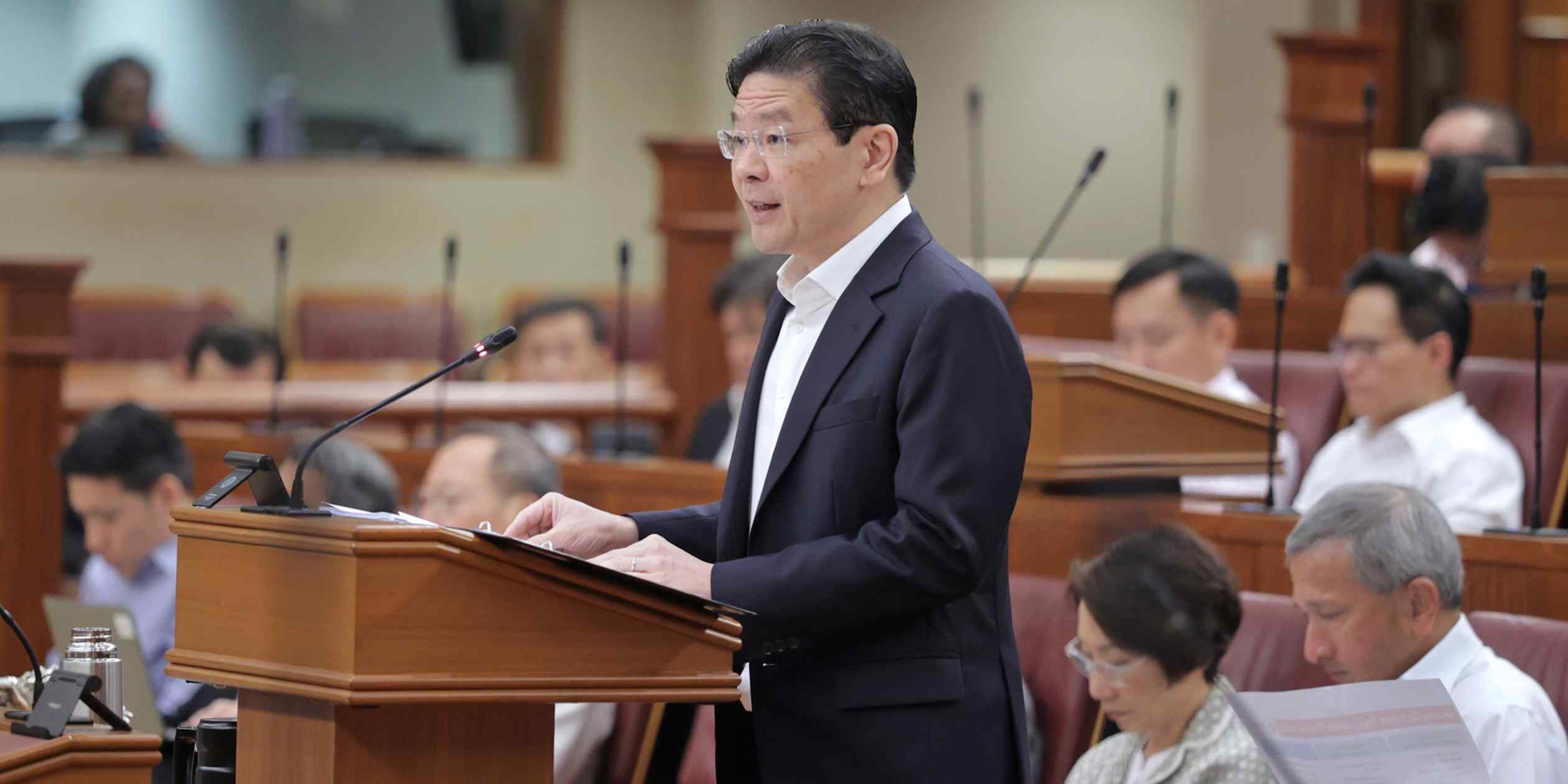
Singapore Prime Minister and Finance Minister Lawrence Wong explains the government's budget plan at parliament on Feb. 12. (Ministry of Digital Development and Information)
Related developments:
- Singapore's DBS Bank reports 10% profit decline in Q4 2025, citing low interest rates
- Singapore beats GDP growth estimates with 5% expansion in 2025 amid AI challenges
- Family offices in Singapore and Hong Kong show preference for private equity investments
The tech investment announcement positions Singapore at a critical juncture in its economic development, as it seeks to leverage its existing strengths while positioning itself for leadership in the technologies that will define the coming decades.
Comments
Please log in or register to join the discussion