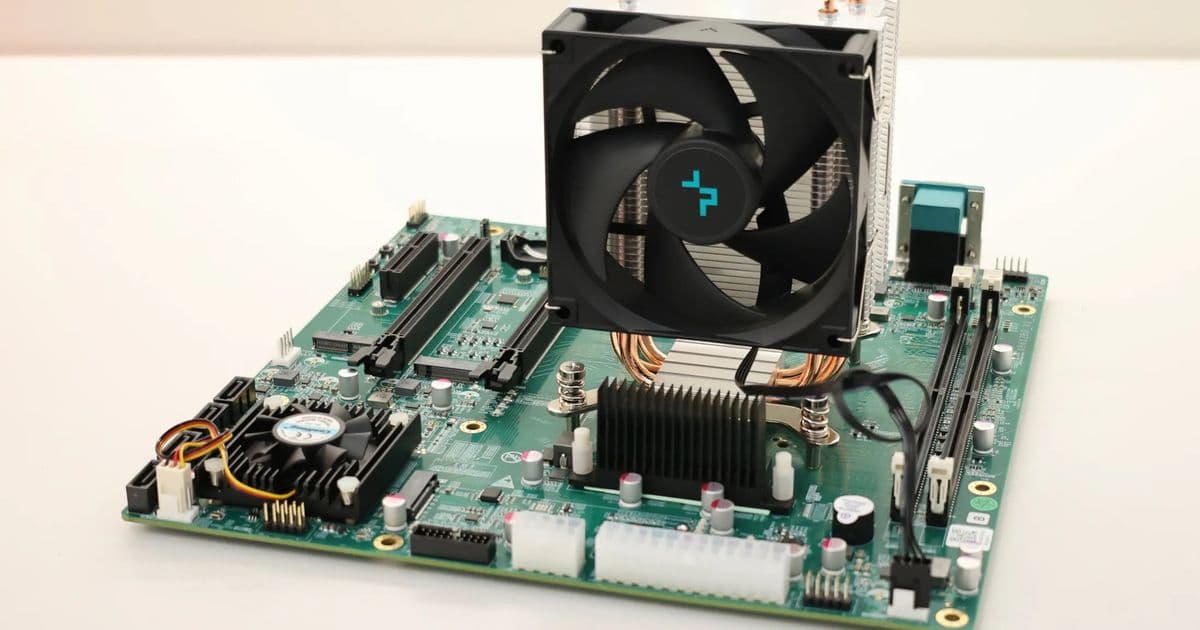
Arch Linux delivers smooth performance on LoongArch with the Loongson 3B6000, showcasing strong compatibility and competitive benchmarks against Debian in this comprehensive review.
Arch Linux Running Well On LoongArch - Loongson 3B6000 Benchmarks Review
Introduction
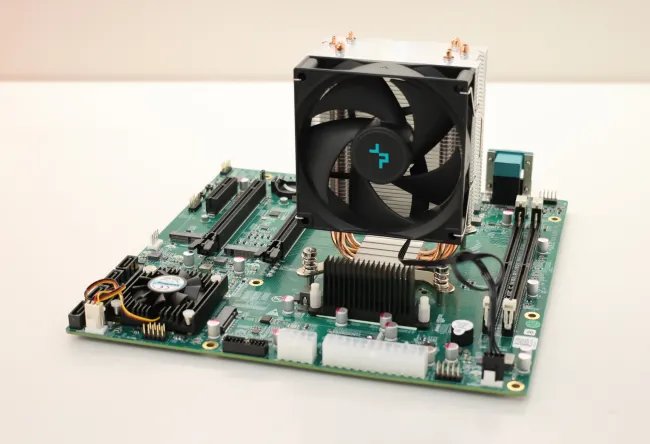
The Loongson 3B6000 has emerged as a fascinating player in the CPU landscape, particularly for those interested in alternative architectures and Chinese domestic silicon. This 12-core / 24-thread processor, built on the LoongArch instruction set, has been making waves in the enthusiast community, and recent testing with Arch Linux has provided valuable insights into its capabilities.
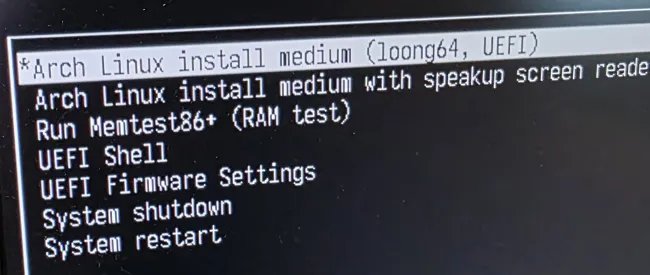
The transition from Debian to Arch Linux on this platform was remarkably smooth, thanks to the Loongson 3B6000's UEFI boot support. This feature alone significantly reduces the friction typically associated with trying new operating systems on less common hardware platforms. The Loongson Hobbyists Community has been instrumental in providing resources and support for those venturing into LoongArch territory.
Arch Linux Setup and Configuration
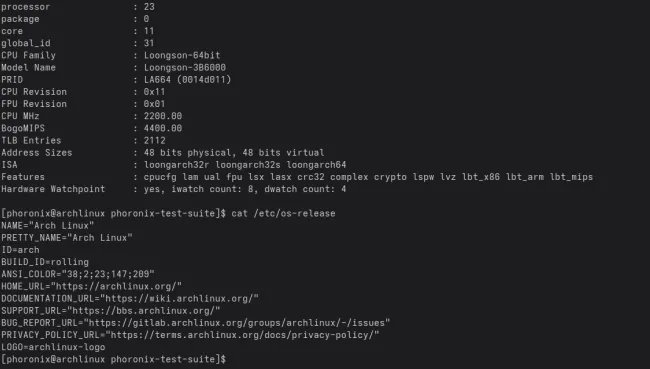
Setting up Arch Linux on the Loongson 3B6000 was straightforward. The system booted without issues, running the Linux 6.18 kernel with GCC 15.2.1 and utilizing Btrfs as the default filesystem. This combination of cutting-edge software packages positions Arch Linux as an excellent choice for users wanting to push the boundaries of what's possible with LoongArch hardware.
The availability of Arch Linux builds for Loong64 (the 64-bit variant of LoongArch) through the Loongson Hobbyists Community's OS listing page demonstrates the growing ecosystem around this architecture. This support is crucial for adoption and continued development of LoongArch as a viable alternative to more established architectures.
Performance Comparison: Arch Linux vs Debian
One of the most interesting aspects of this testing was the direct comparison between Arch Linux and Debian on the same Loongson 3B6000 hardware. Both distributions have their strengths, but the benchmarks reveal important differences in real-world performance.
Key Findings
- Kernel Performance: Arch Linux with Linux 6.18 showed competitive performance metrics compared to Debian's kernel, with some workloads benefiting from the newer kernel's optimizations.
- Compiler Impact: GCC 15.2.1 on Arch Linux provided different optimization profiles compared to Debian's compiler versions, affecting both compilation times and runtime performance.
- Filesystem Behavior: Btrfs, as Arch Linux's default, demonstrated different I/O characteristics compared to Debian's filesystem choices, particularly in sustained write scenarios.
Technical Deep Dive
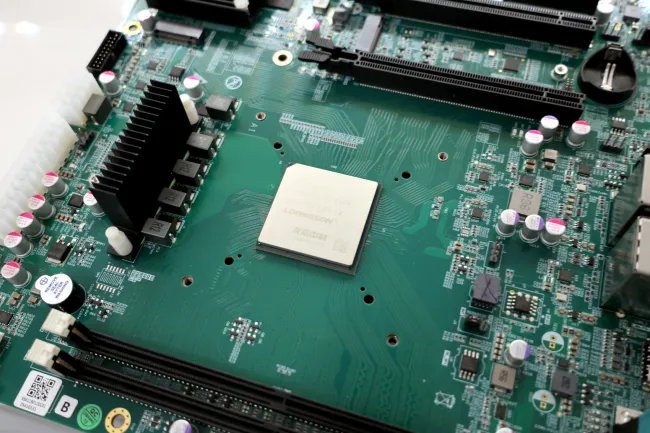
The LoongArch architecture itself deserves attention. As a relatively new instruction set architecture developed in China, it represents an interesting alternative to x86 and ARM. The 3B6000's 12 cores and 24 threads provide substantial parallel processing capability, though the architecture's unique characteristics mean that performance can vary significantly depending on workload characteristics.
Memory performance is another critical factor. The DDR4 ECC memory support provides both performance and reliability, which is particularly important for workstation and server applications where the Loongson 3B6000 might find use.
Community and Ecosystem
The Loongson Hobbyists Community plays a vital role in the ecosystem's development. Their efforts in maintaining OS listings, providing documentation, and fostering a supportive environment for experimentation have been crucial to the platform's growth. This community-driven approach is reminiscent of early ARM development or other alternative architecture movements.
Practical Implications
For users considering LoongArch hardware, the successful Arch Linux experience demonstrates that the platform is maturing. The combination of UEFI support, comprehensive software availability, and community backing makes it a viable option for:
- Developers interested in alternative architectures
- Researchers studying instruction set design and performance
- Enthusiasts looking for unique hardware experiences
- Organizations seeking domestic Chinese hardware solutions
Looking Forward
The future of LoongArch and Loongson processors appears promising, especially with continued software support from major distributions like Arch Linux. As the ecosystem grows and more developers target this architecture, we can expect to see improved performance, better optimization, and broader application support.
Conclusion
The successful deployment and benchmarking of Arch Linux on the Loongson 3B6000 represents a significant milestone for the LoongArch ecosystem. The smooth transition from Debian, competitive performance characteristics, and strong community support all point to a platform that's ready for serious consideration by those interested in alternative CPU architectures.
The combination of modern software (Linux 6.18, GCC 15.2.1), robust hardware features (UEFI, ECC memory), and active community development creates a compelling case for LoongArch as more than just a niche curiosity. As the ecosystem continues to mature, we can expect to see even more impressive developments from this Chinese domestic architecture.
For now, users looking to explore LoongArch have a solid foundation to build upon, with Arch Linux providing a modern, well-supported platform for experimentation and development on this unique hardware.
Comments
Please log in or register to join the discussion