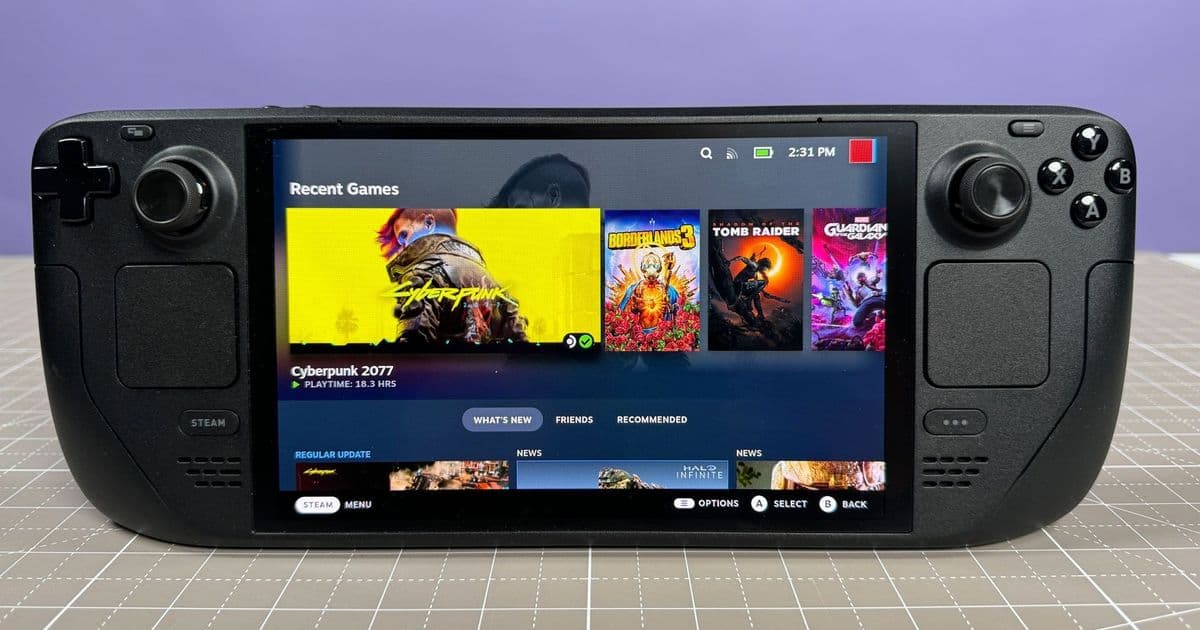
Valve's Steam Deck OLED suddenly goes out of stock across major markets, sparking speculation about production issues, component shortages, and the future of handheld gaming.
The Steam Deck OLED, our current pick for the best handheld gaming PC, has suddenly vanished from store shelves across major markets, creating a supply crisis that has the gaming community buzzing with speculation.
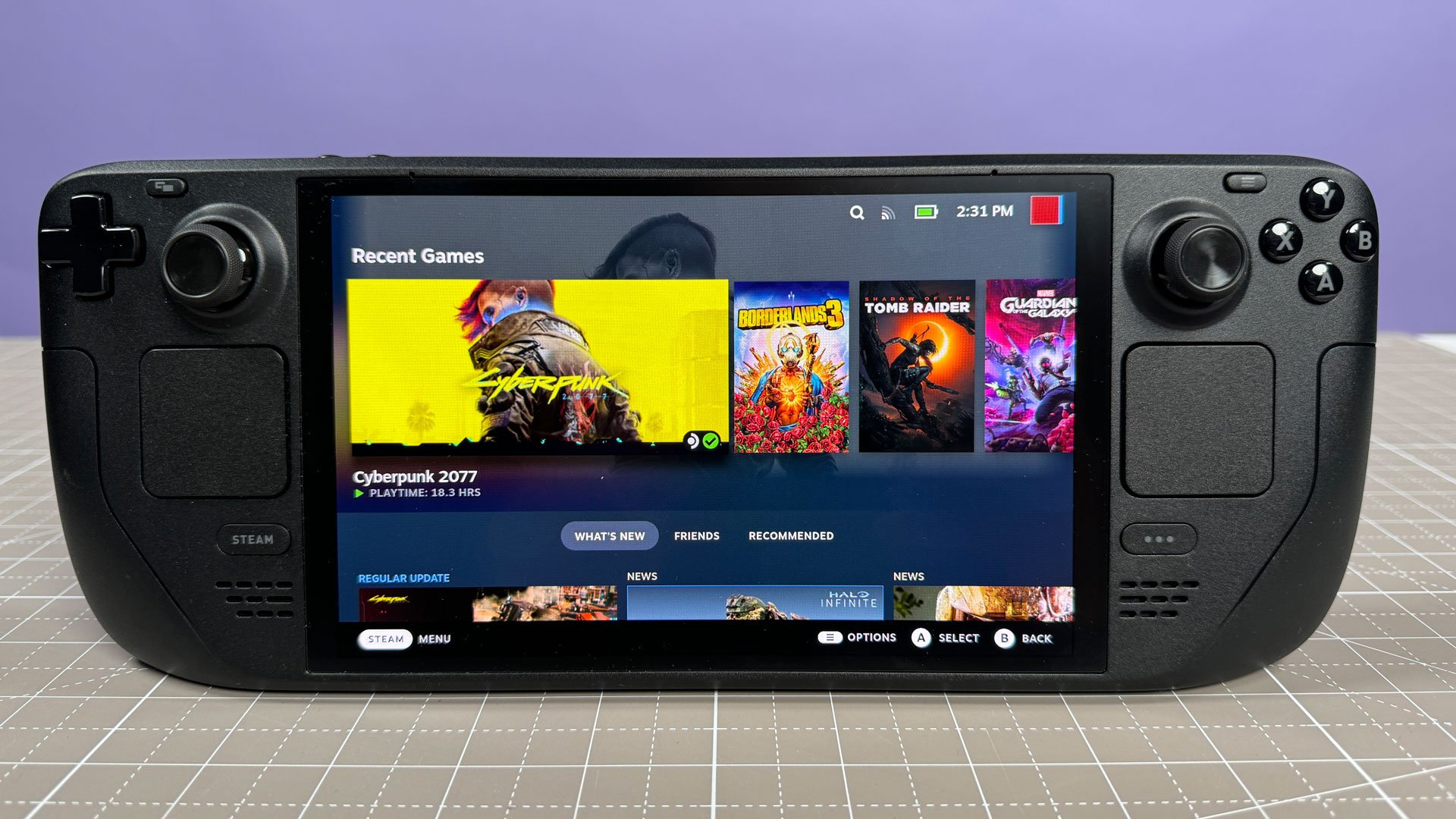
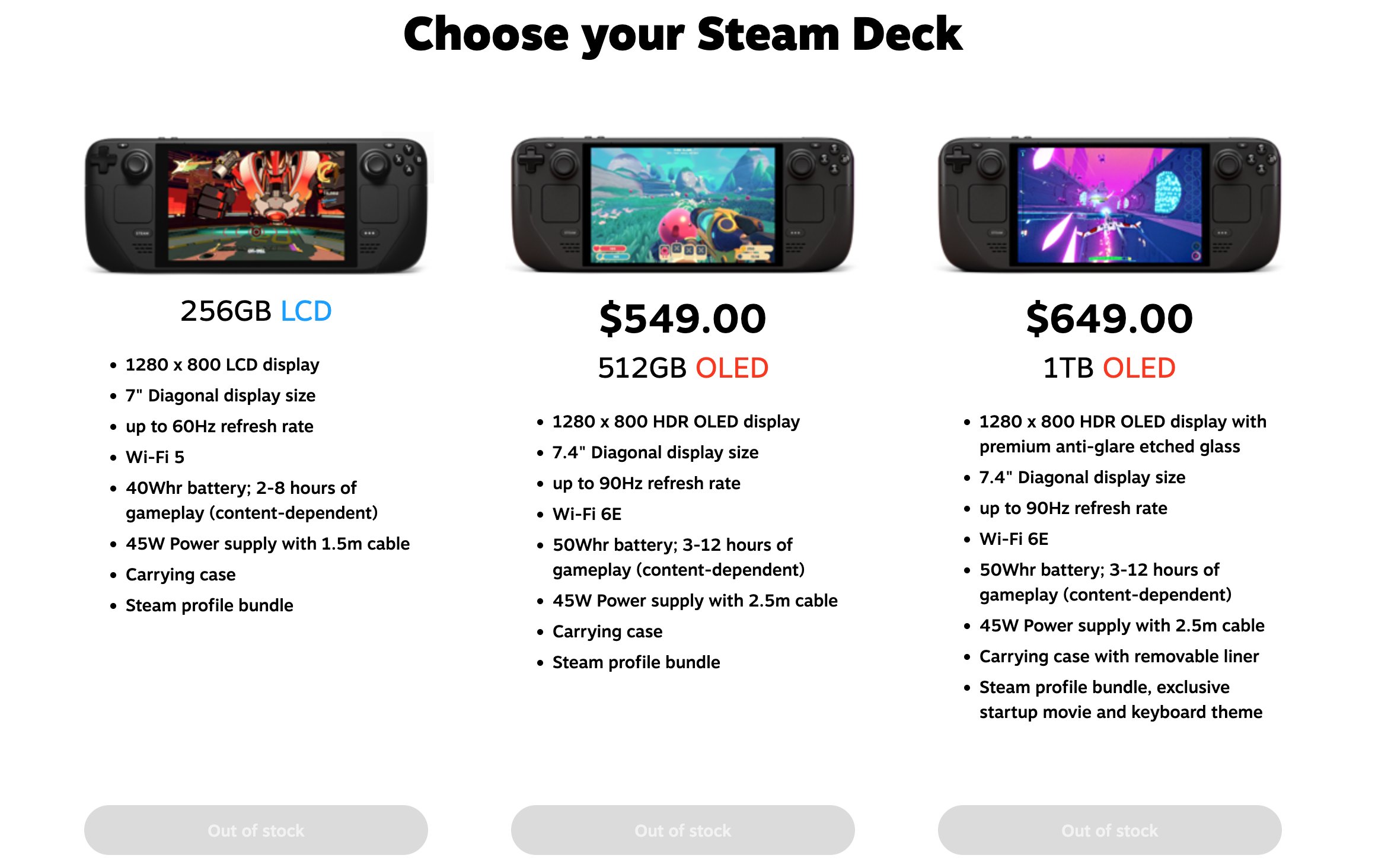
According to deal hunter Wario64, the stock issue began late last night, with the device disappearing from Steam's US store and Komodo's retail presence in Japan, Hong Kong, Korea, and Taiwan. This sudden unavailability comes as a surprise, particularly since Valve had only discontinued the LCD version in December, with no prior indication that the OLED model was facing similar fate.
The regional discrepancies in availability are particularly telling. While US customers face a complete blackout with no estimated restock date, European users report continued availability on Steam. Japanese customers have received slightly better communication, with Komodo displaying notices suggesting stock will return in February. The US store, however, offers no such reassurance, though customers can still add the device to their Steam Wishlist.
This supply disruption arrives against a backdrop of significant challenges for Valve's hardware ambitions. The company has already been forced to delay both the Steam Machine and Steam Frame projects, while simultaneously reconsidering its pricing strategy due to escalating component costs. Unlike PC manufacturing giants such as HP and Dell, Valve operates at a different scale entirely, lacking the massive component stockpiles and manufacturing leverage of established consumer hardware companies.
The timing raises uncomfortable questions about the economics of handheld gaming devices. With memory and storage prices skyrocketing, producing the Steam Deck has likely become increasingly expensive. Industry analysts suggest that Valve may already be selling the device at a loss, relying on the traditional console model where hardware profits are made through software sales. The company takes a 30% cut of all game sales through the Steam storefront, making the Deck a gateway to their digital ecosystem rather than a standalone profit center.
Even at current price points, the Steam Deck OLED remains competitively positioned. The $549 512GB and $649 1TB models offer compelling value compared to alternatives like the $999.99 Asus ROG Xbox Ally X or the $1,349.99 Lenovo Legion Go 2. (The standard Asus ROG Xbox Ally sits at $599.99 but received poor reviews upon release.)

The broader context suggests this may be more than a temporary blip. The gaming and consumer electronics industries face what many analysts predict will be an incredibly difficult year, with component shortages, supply chain disruptions, and inflationary pressures creating widespread challenges. For a company like Valve, which doesn't specialize in consumer hardware manufacturing, these pressures may be particularly acute.
Some community members have speculated about a potential Steam Deck 2, though Valve has provided no indications of such a product in development. More likely explanations point to the harsh realities of current market conditions: the cost of production may have simply become unsustainable at existing price points, forcing Valve to temporarily halt sales while they reassess their strategy.
As of publication, Valve has not responded to requests for comment, leaving the gaming community to parse the available information and draw their own conclusions. What's clear is that this development represents another data point in what's shaping up to be a turbulent period for gaming hardware, with implications that extend far beyond a single product's availability.
The situation bears watching closely. If this proves to be a temporary disruption, it may quickly fade from memory. However, if the shortage persists, it could signal deeper structural issues within Valve's hardware strategy and the broader handheld gaming market. For now, prospective buyers are left with little option but to monitor Steam's Wishlist notifications and hope for a swift resolution to this unexpected supply crisis.
Comments
Please log in or register to join the discussion