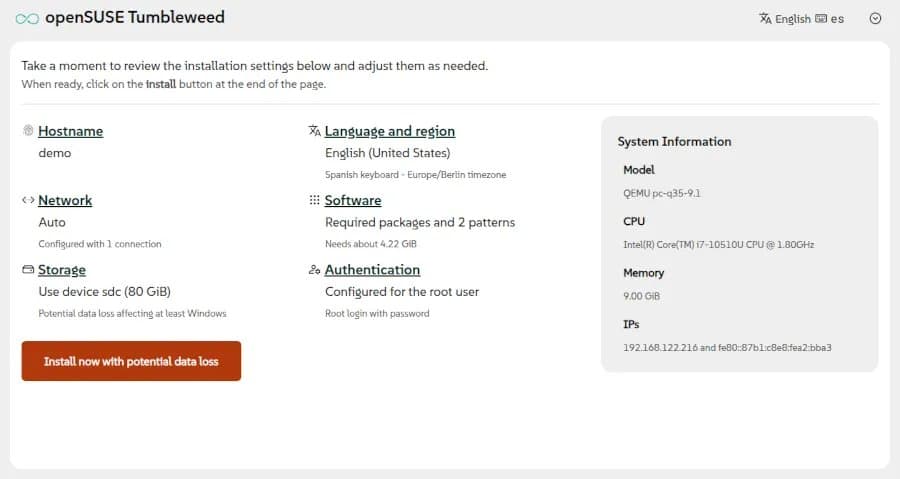
SUSE has released Agama 19, a significant architectural revamp of their Linux installer that addresses long-standing quirks and establishes a solid API foundation for future development.
SUSE has released Agama 19, the first major update to their modern Linux installer since November, marking a significant architectural overhaul that addresses long-standing design issues and establishes a solid foundation for future development.
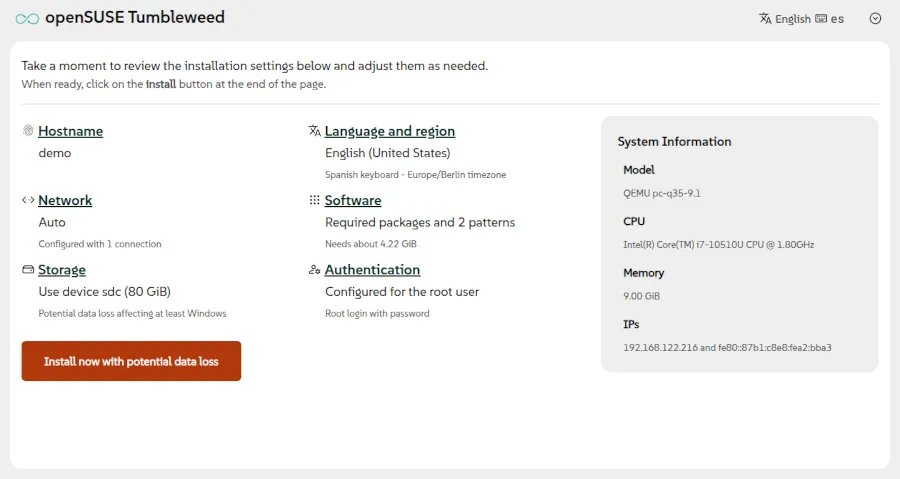
The Agama installer, which serves as the default installation tool for SUSE and openSUSE distributions, has undergone a comprehensive code cleanup in this release. According to SUSE engineers, previous versions of Agama were "full of quirks" that prevented the team from defining an API meeting their quality standards. The new version represents the architectural foundation the team originally envisioned when designing the installer.
The Vision Behind Agama 19
The core philosophy driving this release centers on creating a consistent and simple programming interface that can serve as the foundation for all installer components. SUSE engineers explained that their ideal architecture would feature a core installer controlled through a well-defined API, with the web-based user interface, command-line tools, and unattended installation capabilities all built on top of this generic foundation.
This architectural approach allows for greater flexibility and maintainability across different installation scenarios. By establishing a solid API first, SUSE can ensure that all installation methods behave consistently and can be extended more easily in the future.
Technical Improvements
While the JSON-based configuration format remains unchanged in Agama 19, the underlying code has been significantly enhanced. The architectural overhaul addresses the "quirks" that previously made it difficult to define a robust API. These low-level improvements provide a much more solid foundation for future development, according to the release notes.
The web user interface has also received attention in this release, with cleaning up and refinement to better align with the new architectural principles. Network configuration has been improved as well, though specific details about these enhancements were not provided in the initial announcement.
Moving Forward
With Agama 19, SUSE has established what they describe as the "cornerstone" for any future development of the installer. This release represents a strategic pivot toward a more maintainable and extensible architecture that should serve the project well as installation requirements evolve.
For users and administrators, the changes in Agama 19 are primarily under the hood, meaning the installation experience should remain familiar while benefiting from improved stability and a clearer path for future enhancements. The retention of the JSON-based configuration format ensures that existing automation and scripting workflows continue to function without modification.
Those interested in the technical details of these architectural changes can find more information through the Agama Project blog, where SUSE engineers have published additional documentation about the redesign and its implications for the project's future development.

The release of Agama 19 demonstrates SUSE's commitment to maintaining and improving their installation infrastructure, ensuring that both new users and experienced administrators have access to a reliable, well-designed installation experience across SUSE and openSUSE distributions.
Comments
Please log in or register to join the discussion