Tachyum closes Bratislava R&D office amid unpaid rent, wages, and taxes while still claiming its Prodigy chip will deliver 21x performance leap over Nvidia Rubin Ultra
Tachyum, the semiconductor startup that has made headlines for years with ambitious promises about its Prodigy processor, has been forced to shutter its Bratislava R&D office after reportedly failing to pay rent, employee wages, and social security contributions totaling approximately $178,000.
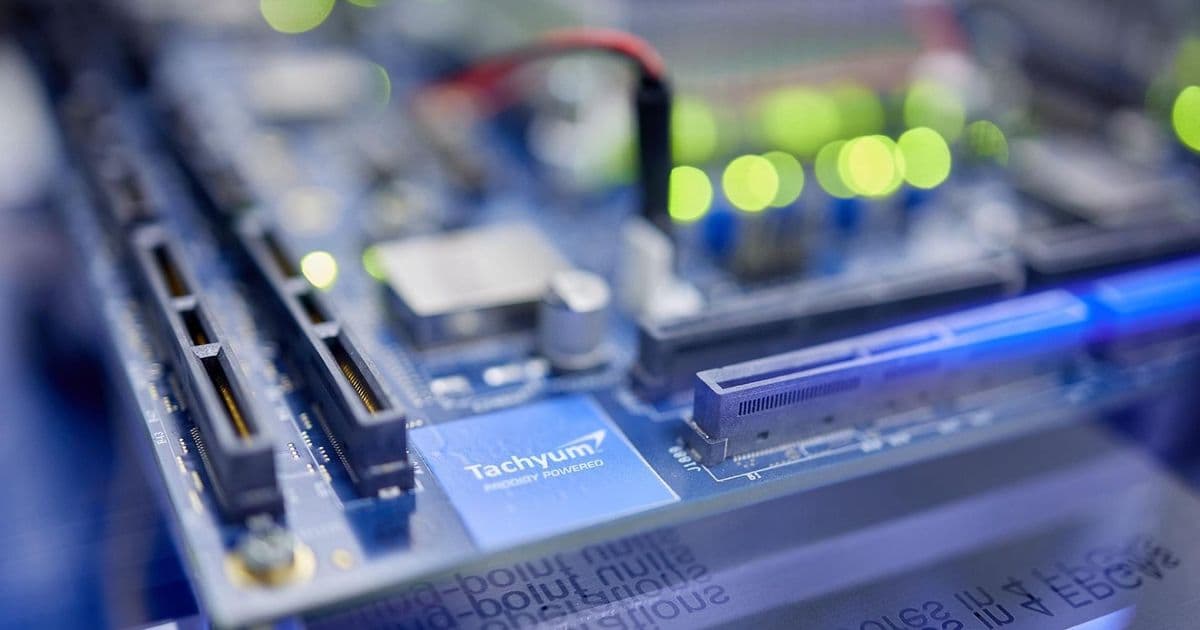
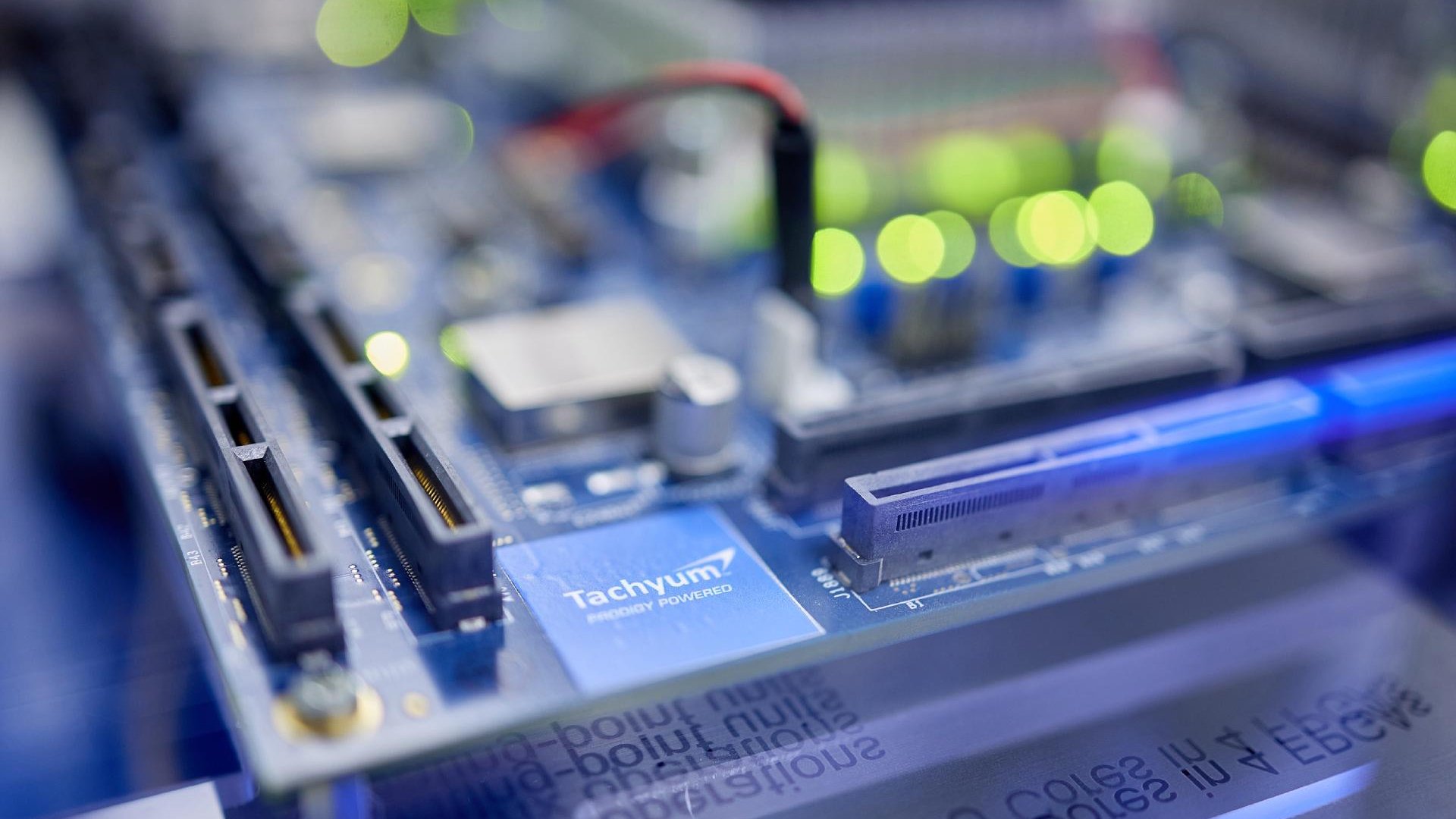
(Image credit: Tachyum)
The closure represents a significant setback for a company that has consistently claimed its chip would revolutionize computing performance. According to Slovak news outlet Denník N, Tachyum owed 73,000 € in December 2025, with debts ballooning to 150,000 € ($178,000) by January 22. The firm's landlords and former employees are reportedly preparing legal action to recover the outstanding amounts.
Despite these financial troubles, Tachyum maintains that it is still negotiating with investors and expects to eventually have the resources to pay its debts. However, the company has not disclosed where it plans to relocate its operations, if at all.
The Bratislava office, which Tachyum described in a 2020 press release as "7,000 sq. ft. of modern Class-A offices capable of accommodating 50 people, an internal datacenter, laboratory, Q&A infrastructure and a supercomputer reference design site," was supposed to house the company's research and development team. With its closure, Tachyum is left with minimal physical presence: its Las Vegas location operates as a virtual office, the Sunnyvale address is a shared space, and the Taiwan spot is likewise a virtual rental.
This development adds to a long history of delays and unfulfilled promises surrounding the Prodigy chip. First announced in May 2018 with a planned tape-out the following year, the processor has been subject to repeated delays, ever-shifting specifications, and annual revisions to its release date and characteristics. The company's performance claims have remained particularly ambitious throughout this period.
As of this writing, Tachyum's website continues to make extraordinary performance claims, stating that the Prodigy chip will deliver a 21x speedup over Nvidia's Rubin Ultra, a GPU that has not yet been released. This claim stands in stark contrast to the company's current operational challenges and raises questions about the feasibility of such performance gains.
The situation highlights the challenges faced by semiconductor startups attempting to compete with established players like Intel, AMD, and Nvidia. While Tachyum has secured significant investments - including a reported $220 million investment from an unspecified entity and a $500 million purchase order from an unknown buyer - the company appears to be struggling with basic operational expenses.
The closure of the Bratislava office not only represents a financial setback but also potentially impacts Tachyum's ability to develop and refine its Prodigy chip. Research and development facilities are crucial for semiconductor companies, particularly those working on cutting-edge architectures that promise revolutionary performance improvements.
Industry observers have noted that Tachyum's pattern of making bold claims followed by delays and revisions is not uncommon in the semiconductor industry, particularly for startups attempting to break into established markets. However, the company's current financial difficulties suggest that even with significant investment backing, executing on such ambitious promises remains challenging.
The Prodigy chip was initially positioned as a universal processor capable of handling high-performance computing, artificial intelligence, and cloud workloads with unprecedented efficiency. Tachyum claimed its architecture would combine the best aspects of CPUs and GPUs while avoiding their respective limitations. However, the lack of tangible progress or demonstrable prototypes has led many in the industry to question whether the technology can deliver on its promises.
For now, Tachyum's future remains uncertain. While the company insists it will continue pursuing its ambitious goals, the closure of its primary R&D facility and the mounting financial pressures suggest that significant hurdles remain before the Prodigy chip can move from concept to reality. The semiconductor industry will be watching closely to see whether Tachyum can overcome these challenges and eventually deliver a product that lives up to its extraordinary claims.
Comments
Please log in or register to join the discussion