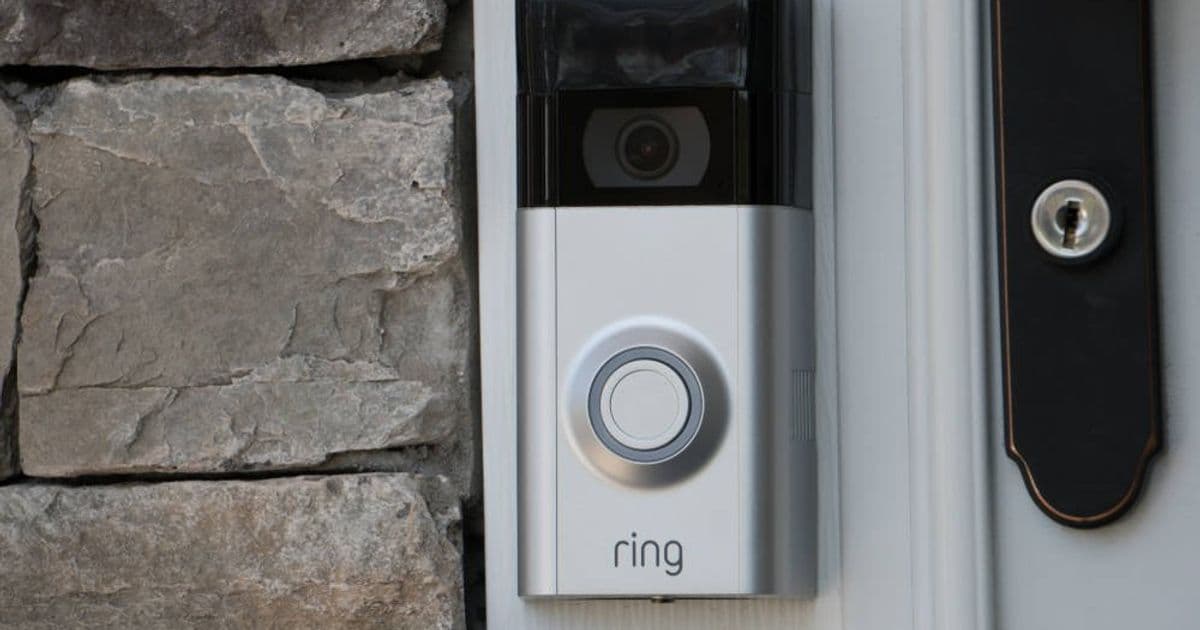
Amazon's Ring cancels planned integration with surveillance camera maker Flock Safety, citing resource constraints while facing mounting criticism over privacy practices and law enforcement partnerships.
Ring has abruptly ended its planned partnership with Flock Safety, just months after announcing the collaboration, as the smart home security company faces increasing scrutiny over its surveillance practices and law enforcement relationships.
The cancellation comes at a particularly sensitive time for Ring, which recently faced backlash over its Super Bowl advertisement showcasing the AI-powered Search Party feature. The 30-second spot depicted Ring devices across a neighborhood activating simultaneously to locate a lost pet, but many viewers found the visualization dystopian and raised concerns about potential misuse of the technology for more invasive purposes.
Ring attributed the partnership's demise to practical constraints, stating that the integration "would require significantly more time and resources than anticipated." However, the timing is notable given the company's recent controversies and the broader debate surrounding surveillance technology in American communities.
Flock Safety, the company Ring planned to partner with, manufactures video cameras, gunshot and audio detectors, and license plate readers that are extensively deployed by U.S. police forces. Recent investigations have revealed that Flock's systems are frequently used to conduct database searches that inform Immigration and Customs Enforcement (ICE) activities.
While Flock maintains it has no direct partnerships with ICE or the Department of Homeland Enforcement, and that ICE lacks direct access to Flock-captured footage, privacy advocates have raised concerns about indirect access. The American Civil Liberties Union cited a 404 Media investigation showing that police searches of Flock camera footage are often conducted on behalf of ICE agents, including those from the Enforcement and Removal Operations division.
This division has been involved in controversial street arrests of suspected undocumented immigrants, with reports linking its officers to multiple fatalities during detention attempts ordered by the Trump administration.
Ring attempted to reassure customers that no video footage was ever transmitted to Flock during the brief period between the partnership announcement and cancellation. The company emphasized its commitment to neighborhood safety while acknowledging the "significant responsibility" that comes with its products and features.
Both companies framed the cancellation as a mutual decision reached after extensive consultation with customers, public officials, and community members about accountability, transparency, and lawful use expectations. Flock's CEO Garrett Langley stated that the company's priority is ensuring its tools "strengthen trust and align with local community expectations."
The cancelled integration would have made Flock the second third-party company to handle Ring's Community Requests feature, following Axon's involvement in secure evidence handling. Community Requests, announced in September 2025, allows law enforcement to request footage from Ring users, though participation remains voluntary.
This feature replaced Ring's earlier Request for Assistance (RFA) system, with the primary difference being the involvement of Axon as an intermediary between users and public safety organizations. The Flock integration would have created another layer between Ring customers and law enforcement requests.
The partnership's cancellation highlights the growing tension between public safety technology and privacy concerns in American communities. As surveillance capabilities expand and become more interconnected, companies like Ring and Flock face increasing pressure to balance security benefits against civil liberties and community trust.
Ring's decision to walk away from the Flock partnership, while officially attributed to resource constraints, appears to reflect a broader reckoning with the company's role in the expanding surveillance ecosystem and the public's growing unease with ubiquitous monitoring technologies.
The incident also underscores the complex relationships between private surveillance companies, law enforcement agencies, and federal immigration authorities, raising questions about data sharing, consent, and the potential for mission creep in public safety technologies.
As communities across the United States grapple with these issues, Ring's cancellation of the Flock partnership may signal a shift toward more cautious approaches to surveillance partnerships, even as the underlying technologies continue to proliferate in American neighborhoods.
Comments
Please log in or register to join the discussion