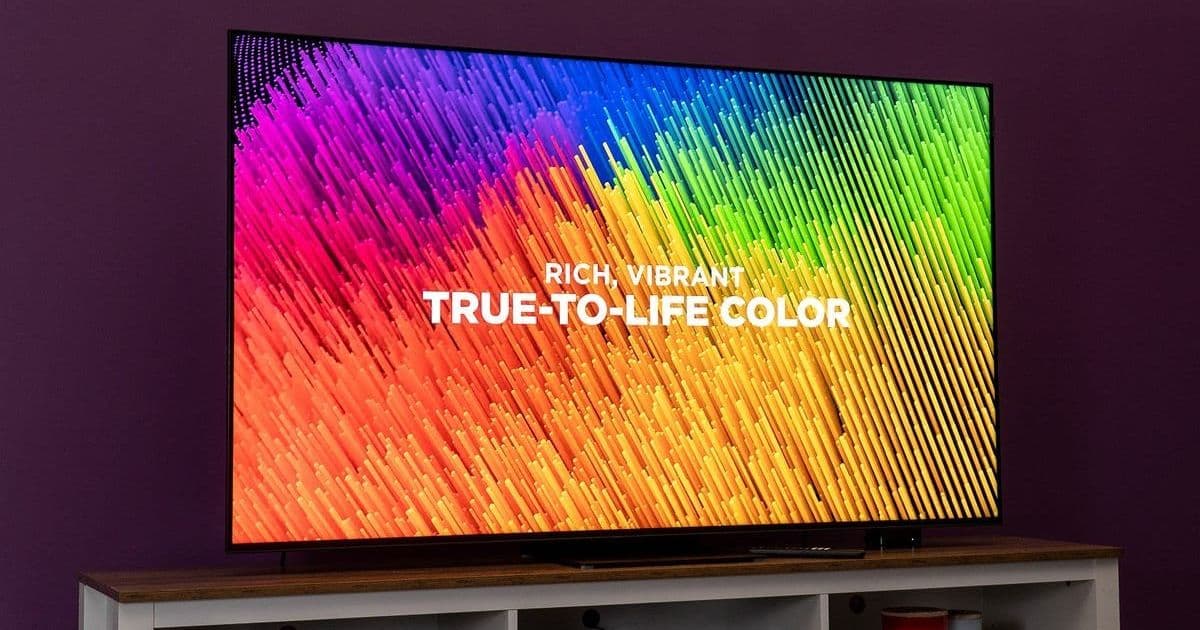
TCL's 2024 QM8 Mini LED TV delivers exceptional brightness, gaming performance, and cinematic visuals at half the price of premium competitors. With 5,000 nits peak brightness, 144Hz gaming, and AI-enhanced processing, this Editor's Choice winner redefines value in the high-end TV market. Our deep dive reveals why developers and tech enthusiasts should take notice of its engineering achievements.
The Mini LED Revolution Hits Main Street
In an era where premium TVs command astronomical prices, TCL's 2024 QM8 Mini LED television emerges as a technological David among Goliaths. Priced under $1,000 for the 65-inch model—less than half the cost of comparable Sony or LG offerings—this display powerhouse leverages cutting-edge mini-LED technology to deliver performance that punches far above its weight class. The secret lies in its 5,000-zone local dimming array, enabling a staggering 5,000 nits peak brightness that obliterates the 2,000-nit ceiling of most competitors.
Engineering Under the Hood
What makes the QM8 exceptional isn't just raw specs, but how TCL's engineering team optimized the technology:
- Quantum Leap in Backlighting: Unlike traditional LED TVs, mini-LEDs use thousands of microscopic LEDs (up to 5,000 zones here) for precision lighting control, enabling OLED-like contrast without burn-in risks
- AiPQ Pro Processor: Machine learning enhancements power real-time upscaling with AI Clarity and AI Motion algorithms
- Gaming-Grade Performance: 144Hz VRR at 4K resolution via HDMI 2.1, plus a 'Game Accelerator 240' mode for 240Hz at 1080p
- Audio Revolution: Onkyo-designed 2.1.2-channel 80W system with Dolby Atmos and up-firing speakers—quadruple the power of its predecessor
"The QM8's combination of quantum dot color enhancement and Dolby Vision IQ results in exceptional image quality that survived our lab's stress tests," notes Chris Bayer in ZDNET's hands-on evaluation. "For developers working on HDR content or game optimization, this is a reference display that doesn't require studio budgets."
The Developer & Gamer Advantage
For technical audiences, two features stand out as particularly disruptive:
# HDMI 2.1 Implementation
ports = [
    {"type": "HDMI 2.1", "features": ["4K/120Hz", "VRR", "ALLM"], "count": 4},
    {"type": "USB", "count": 3},
    {"type": "Ethernet", "speed": "Gigabit"}
]
# Enables next-gen console development testing
The comprehensive connectivity suite supports simultaneous high-bandwidth devices—essential for A/B testing gaming performance or streaming workflows. Meanwhile, the 144Hz-240Hz gaming modes provide a budget-friendly development environment for testing high-frame-rate experiences.
The Tradeoffs
No engineering marvel is perfect. The QM8's Achilles' heel remains viewing angles—color accuracy diminishes significantly off-axis. This stems from the VA panel's inherent design, which prioritizes contrast over viewing flexibility. For home theater purists, careful seating arrangement is non-negotiable.
Why This Matters Beyond the Living Room
TCL's achievement signals a broader industry shift: premium display technologies are cascading down to accessible price points faster than anticipated. The QM8's mini-LED implementation demonstrates how algorithmic control of thousands of lighting zones can rival OLED's perfectionist appeal. For developers, this democratization means:
- More affordable reference displays for HDR content creation
- Test beds for high-refresh-rate applications
- Proof that Chinese manufacturers can lead in display innovation
As the 2025 models hit shelves with marginal improvements, this 2024 standout remains extraordinarily relevant—a testament to how thoughtful engineering can create enduring value in the relentless churn of consumer tech. Its legacy may well be proving that brilliance needn't command a king's ransom.
Source: ZDNET review by Chris Bayer
Comments
Please log in or register to join the discussion