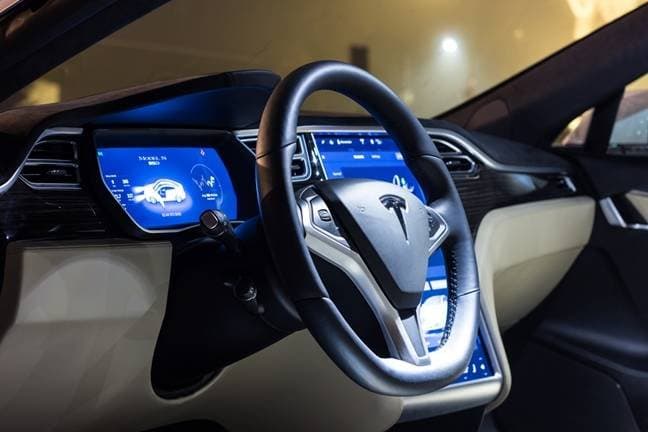
Tesla has complied with California DMV requirements to stop using 'Autopilot' in marketing and clarify 'Full Self-Driving' terminology after regulatory action over misleading autonomous driving claims.
Tesla has been forced to drop the term "Autopilot" from its marketing materials in California following a directive from the state's Department of Motor Vehicles (DMV). The electric vehicle maker has also modified its use of "Full Self-Driving" (FSD) branding to include clearer language about driver supervision requirements, avoiding a potential 30-day suspension of its manufacturing and dealer licenses.
California DMV Takes Action on Misleading Marketing
The regulatory action stems from Tesla's use of terminology that the California DMV determined could mislead consumers about the capabilities of its advanced driver assistance systems (ADAS). The dispute centered on marketing materials dating back to May 2021 that included claims about Tesla's systems being able to "conduct short and long-distance trips with no action required by the person in the driver's seat."
In a statement confirming Tesla's compliance, DMV Director Steve Gordon emphasized the agency's commitment to road safety: "The DMV is committed to safety throughout all California's roadways and communities. The department is pleased that Tesla took the required action to remain in compliance with the State of California's consumer protections."
Timeline of Regulatory Pressure
The DMV initially gave Tesla 60 days from December 16, 2025, to modify its marketing practices. The requirement followed an extensive review of Tesla's advertising claims and their alignment with the actual capabilities of the company's ADAS features.
An Administrative Law Judge had initially proposed suspending Tesla's manufacturing and dealer licenses for 30 days due to the misleading marketing practices. However, the company was granted a 60-day compliance period instead, during which it was required to make the necessary changes to its promotional materials.
Tesla's Compliance Measures
Tesla has now taken the required corrective action, which includes:
- Ceasing use of the "Autopilot" term in California marketing materials
- Adding "Supervised" prominently alongside "Full Self-Driving" branding
- Clarifying that its ADAS features cannot operate as fully autonomous vehicles
The California DMV confirmed that by taking these steps, Tesla successfully avoided the threatened 30-day suspension of its dealer and manufacturer licenses in the state.
Current Marketing Adjustments
Tesla's website now displays marketing for its Full Self-Driving capability with the word "Supervised" prominently featured alongside it. This change represents a significant shift in how the company communicates the capabilities and limitations of its driver assistance technology to California consumers.
Broader Context of Tesla's Challenges
The regulatory action comes at a time when Tesla is facing multiple challenges in its automotive business. The company recently reported its first revenue decline, and CEO Elon Musk has announced plans to shift the Fremont, California manufacturing facility from producing Model S and X vehicles (scheduled for discontinuation this year) to manufacturing Optimus humanoid robots.
This strategic pivot toward robotics appears designed to diversify Tesla's business beyond its struggling automotive segment, though it remains unclear whether these new products would fall under DMV regulatory oversight.
Industry Implications
The California DMV's action against Tesla could have broader implications for the entire autonomous vehicle industry. As companies continue to develop and market increasingly sophisticated driver assistance technologies, regulators are likely to scrutinize marketing claims more closely to ensure they accurately reflect current technological capabilities.
Consumer protection agencies in other states and countries may follow California's lead in examining whether marketing terminology creates unrealistic expectations about vehicle autonomy. This could lead to more standardized approaches to how companies describe and market their driver assistance features.
Future Marketing Considerations
The Register has reached out to Tesla to inquire whether the company plans to implement similar marketing changes in other states or regions. As of publication, Tesla had not responded to this request for comment.
The case highlights the growing tension between technological innovation in the automotive sector and regulatory frameworks designed to protect consumers from misleading claims. As vehicles become more technologically advanced, companies will need to carefully balance marketing effectiveness with regulatory compliance and consumer safety considerations.
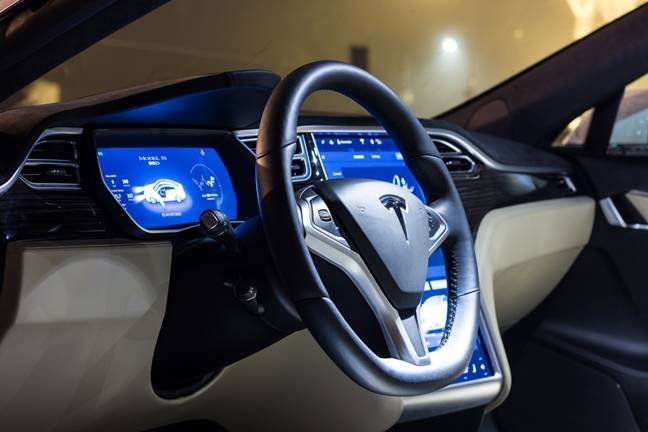
The California DMV's action represents one of the most significant regulatory interventions in Tesla's marketing practices to date, potentially setting precedents for how advanced driver assistance systems are described and promoted across the automotive industry.
Comments
Please log in or register to join the discussion