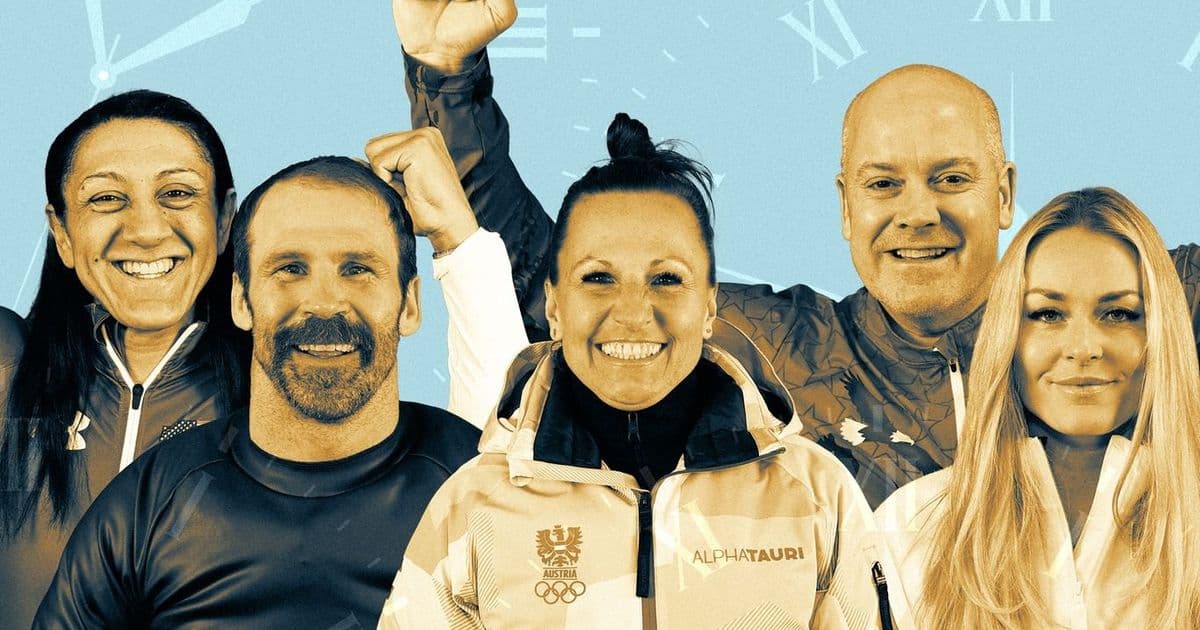
Winter Olympians are extending their competitive careers well into their 30s and 40s, challenging traditional notions of athletic prime and reshaping how elite winter sports approach training, recovery, and longevity.
Winter Olympians are rewriting the script on athletic longevity, with competitors in their 30s and 40s increasingly dominating podiums traditionally reserved for younger athletes. This shift represents a fundamental change in how elite winter sports approach training, recovery, and career planning.
The New Age of Winter Sports
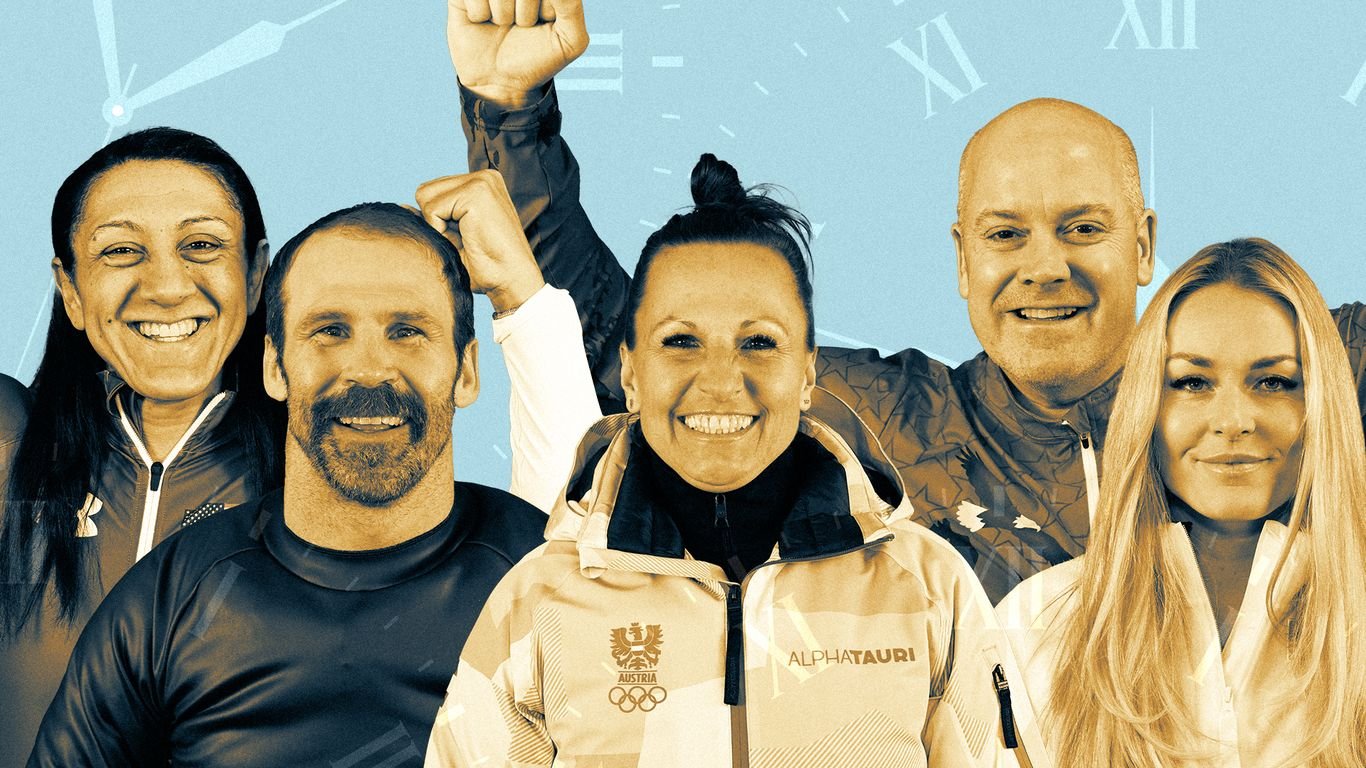
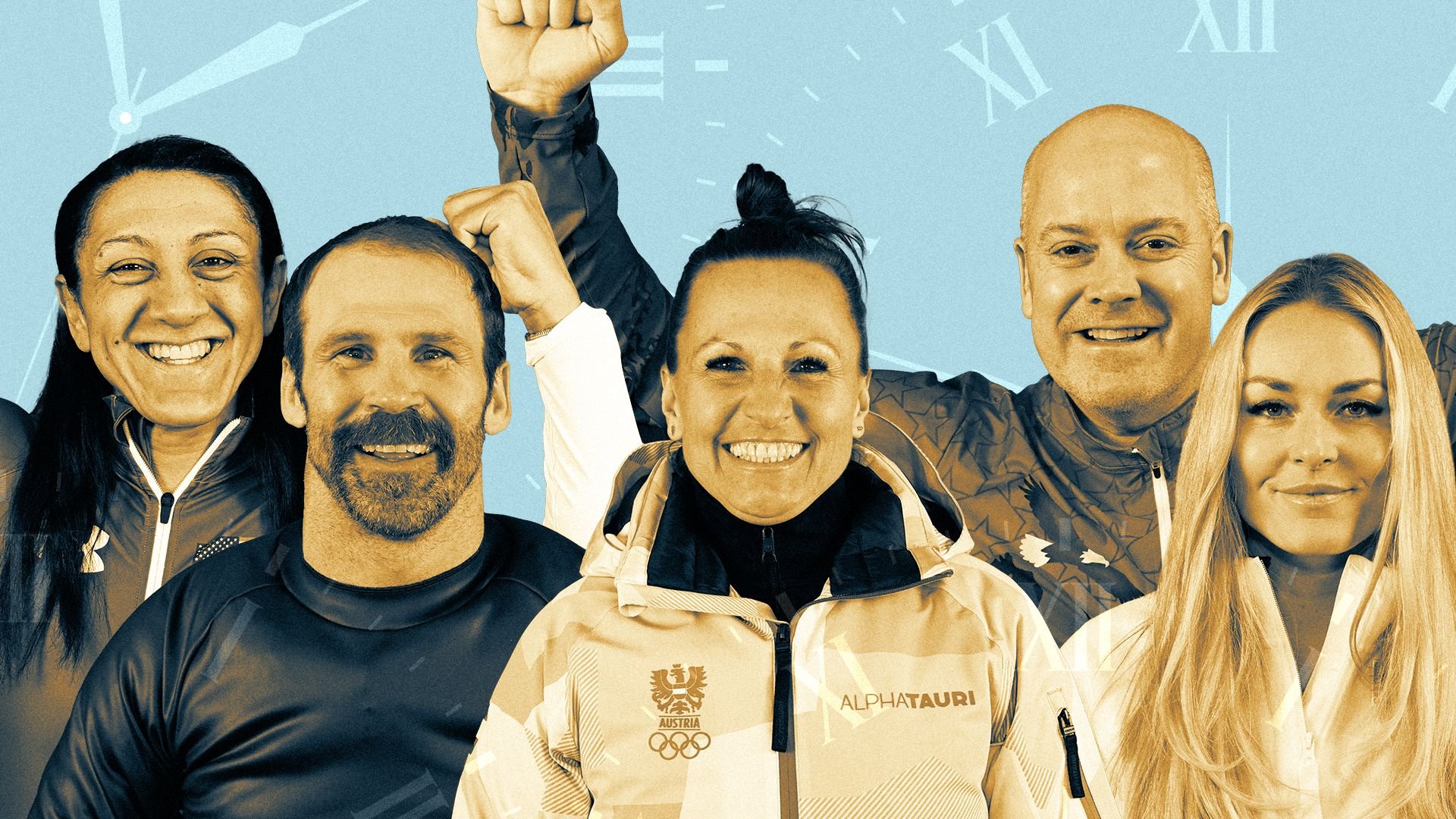
The traditional narrative of athletic decline in one's late 20s is being challenged by a wave of winter Olympians who are competing at the highest levels well past what was once considered their prime. Athletes like Claudia Riegler (alpine skiing), Nick Baumgartner (snowboarding), Elana Meyers Taylor (bobsled), Rich Ruohonen (curling), and Lindsey Vonn (alpine skiing) exemplify this trend, with many competing successfully into their 30s and even 40s.
This longevity isn't accidental. It reflects a confluence of factors including advances in sports science, improved training methodologies, better equipment, and a growing understanding of how to manage the physical demands of winter sports over extended periods.
The Science Behind Extended Careers
Modern sports science has revolutionized how athletes approach their careers. Recovery techniques that were once experimental are now standard practice. Cryotherapy, advanced physiotherapy, personalized nutrition plans, and data-driven training regimens allow athletes to maintain peak performance levels for years longer than previous generations.
Dr. Michael Joyner, an exercise physiologist at the Mayo Clinic, notes that "the combination of better training methods, improved equipment, and a deeper understanding of recovery has fundamentally changed what's possible for elite athletes."
Financial and Competitive Factors
The economics of Olympic sports have also evolved. With increased sponsorship opportunities, professional circuits, and support systems, athletes can now afford to extend their careers beyond the traditional timeline. This financial stability allows for the investment in recovery, training, and medical support necessary to compete at an elite level for longer periods.
Additionally, the competitive landscape has shifted. As more countries invest in winter sports programs, the depth of competition has increased, making it more challenging for younger athletes to break through. This has created opportunities for experienced competitors who have already navigated the Olympic system.
Changing Training Philosophies
Gone are the days of all-out training with minimal recovery. Today's elite winter athletes employ periodization strategies that balance intense training with strategic rest periods. This approach not only prevents burnout but also reduces the risk of career-ending injuries.
Cross-training has become another crucial element. Athletes now incorporate activities like yoga, swimming, and cycling to maintain fitness while reducing the repetitive stress on joints and muscles specific to their primary sport.
The Mental Game
Experience brings more than just physical advantages. Older athletes often possess superior mental toughness, strategic thinking, and emotional regulation. They've learned to manage the pressure of Olympic competition, understand their bodies' signals, and make smarter decisions about training and competition schedules.
Lindsey Vonn, who competed in her fifth Olympics at age 33, exemplifies this mental evolution. "I know my body better now than I ever have," she said in a recent interview. "I can push when I need to push and back off when I need to back off."
Implications for Future Generations
This trend toward extended careers is likely to continue and accelerate. As sports science advances and training methodologies evolve, we can expect to see more athletes competing successfully into their late 30s and early 40s.
For younger athletes, this presents both challenges and opportunities. While it may be harder to break into the elite ranks at a young age, those who do make it will have role models and established pathways for extending their careers.
The Business of Longevity
The extended careers of winter Olympians have also created new business opportunities. Sports equipment manufacturers are developing products specifically designed for older athletes. Recovery technology companies are seeing increased demand from elite competitors. Even sports medicine practices are evolving to meet the unique needs of aging Olympians.
Looking Ahead
As we look toward future Winter Olympics, the age of medalists is likely to continue trending upward. This shift represents more than just individual achievement; it's a fundamental reimagining of what's possible in elite winter sports.
The athletes who are extending their careers aren't just competing longer—they're changing the very definition of athletic prime. In doing so, they're inspiring a new generation of winter sports enthusiasts and challenging our assumptions about age and athletic performance.
This evolution in winter sports longevity reflects broader societal changes in how we view aging and achievement. Just as people are working longer and staying active later in life, elite athletes are finding ways to extend their competitive careers, bringing their experience, wisdom, and refined skills to the highest levels of competition.
The long game is winning, and winter Olympians are leading the way.
Comments
Please log in or register to join the discussion