A Dartmouth student's firsthand account exposes a stark decline in literary engagement among peers, fueled by digital distractions and AI shortcuts like ChatGPT. This trend signals deeper cultural shifts with profound implications for education, critical thinking, and the future of technology-driven learning.
The Digital Decline: How Tech is Rewiring College Reading Habits
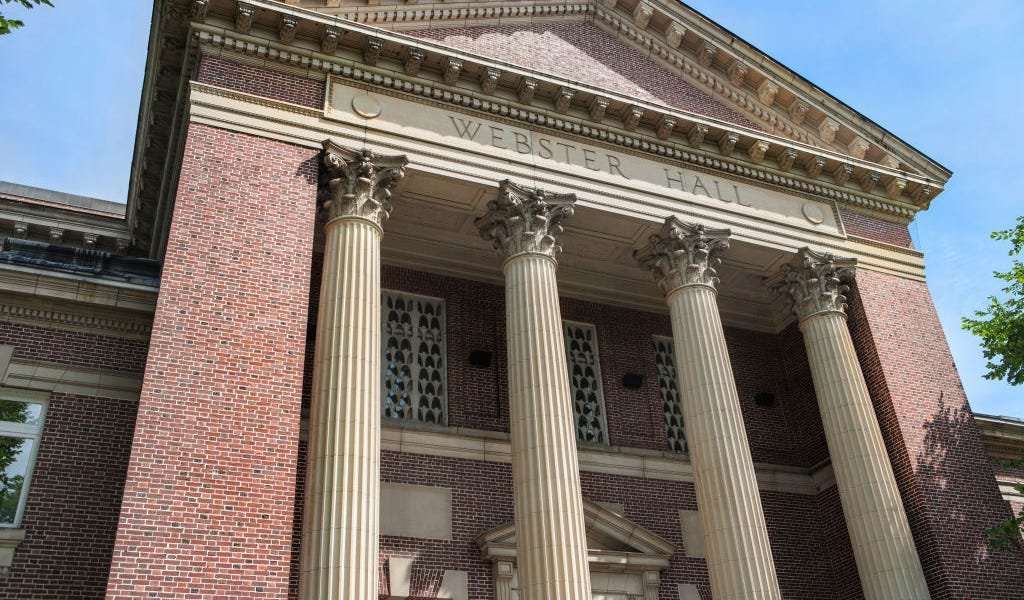
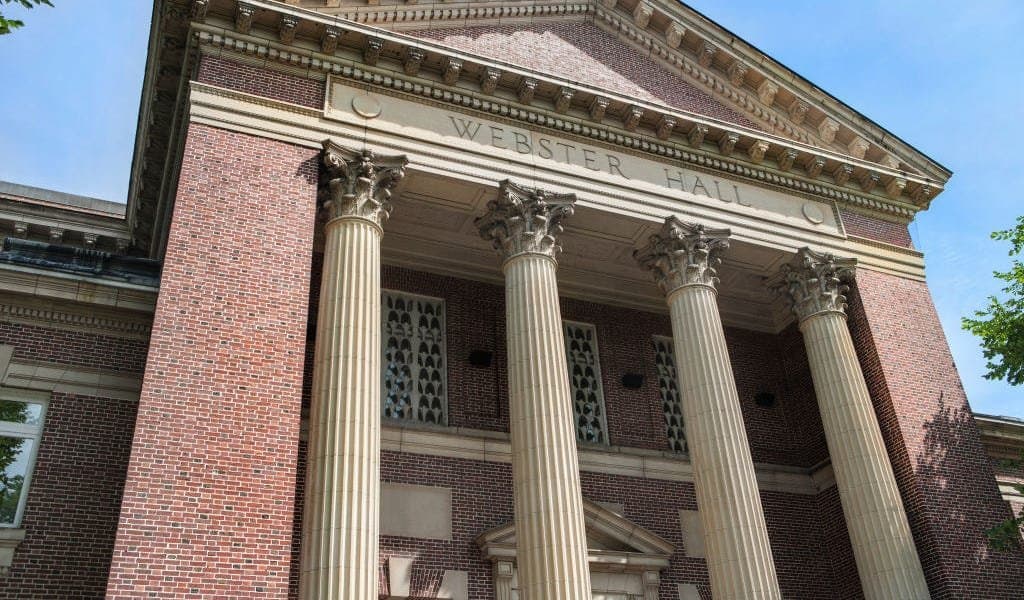
Library at Dartmouth College, 2017. (Education Images/Universal Images Group.)
If you stroll across Dartmouth College's iconic Green with a book, your peers will assume it's assigned reading—not a personal pursuit. This observation, detailed by Dartmouth student Elan Kluger in a recent Persuasion article, underscores a troubling trend: college students today are abandoning deep reading, with technology acting as both catalyst and enabler. Kluger recounts seeing classmates rely on ChatGPT during lectures, reading AI-generated summaries aloud to fulfill participation requirements while professors slash reading lists to accommodate dwindling attention spans.
The Tech-Fueled Reading Retreat
Kluger’s experience aligns with broader academic reports. Professors nationwide are reducing assignments—like skipping Homer’s entire Iliad in favor of excerpts—because students simply won’t engage with lengthy texts. The culprit? Digital distraction. As Kluger notes, smartphones and platforms like TikTok fragment focus, making sustained reading feel arduous. Yet, he argues this isn’t solely about attention deficits: podcasts and marathon films remain popular, suggesting the issue is less about capacity and more about inclination.
"It is not the inability to read, it is the missing inclination. And that has derived from a different change—a loss of cultural legitimacy for the books one is supposed to have read," Kluger writes.
This shift is amplified by generative AI. When tools like ChatGPT can distill complex texts into bullet points, students question why they should bother with the source material—a point starkly illustrated when a peer at Kluger’s fellowship declared Taylor Swift superior to Shakespeare, unfazed by her lack of canonical knowledge.
Cultural Shifts and the Illusion of Literacy
The decline isn't entirely new. Kluger cites historical examples, like Michael Kinsley’s 1985 experiment where cash rewards in political bestsellers went unclaimed, and Saul Bellow’s suspicion that few truly read his acclaimed Herzog. Reading has long been more totemic than habitual in America, with books often serving as Zoom-backdrop decor during the pandemic. But where older generations feigned engagement for social legitimacy, Gen Z abandons the pretense. As Kluger observes, fake books in a campus bar once sparked curiosity; now, they’re ignored relics.
Why This Matters for Tech and Society
For developers and tech leaders, this isn’t just an educational concern—it’s a wake-up call. The normalization of AI shortcuts risks eroding foundational skills like critical analysis and contextual understanding, which are vital for innovation. If future engineers and AI researchers lose the habit of deep engagement, it could stifle creativity in problem-solving and ethics. Moreover, as Kluger hints, technology’s role in this decline demands introspection: Are we building tools that enhance human potential, or ones that encourage intellectual complacency? The answer will shape not only classrooms but the next generation of technological advancement itself.
Source: Based on "Yes, College Students Can’t Read Good" by Elan Kluger, published in Persuasion.
Comments
Please log in or register to join the discussion