Modern Apple devices employ sophisticated battery management systems that render overnight charging harmless, leveraging AI-driven optimization and historical engineering lessons from incidents like the PowerBook 5300.
For decades, a persistent myth haunted tech users: charging devices overnight would inevitably degrade battery health. This belief originated in the Nickel-Cadmium battery era and gained notoriety after Apple's PowerBook 5300 incidents in the mid-1990s, where literal battery fires prompted recalls. Today's Lithium-Ion-powered ecosystem operates under fundamentally different principles, with Apple implementing multi-layered protection systems that transform overnight charging from a destructive habit into a managed process.
The Intelligence Behind Modern Charging
Since iOS 13's introduction in 2019, Optimized Battery Charging has analyzed user behavior patterns to strategically time charging cycles. The system initially charges devices to 80% capacity, then pauses until predictive algorithms determine the optimal window to complete the final 20% charge shortly before typical usage resumes. This prevents batteries from lingering at maximum capacity—a state that accelerates chemical degradation. Apple Intelligence expands this functionality further with granular controls allowing users to set custom charging limits overnight and receive detailed battery health analytics.

Power management modes create additional safeguards:
- Low Power Mode: Reduces energy consumption through CPU throttling, background task limitation, and display optimization
- High Power Mode: Available on professional MacBooks, increases fan speeds to manage thermal output during intensive workloads
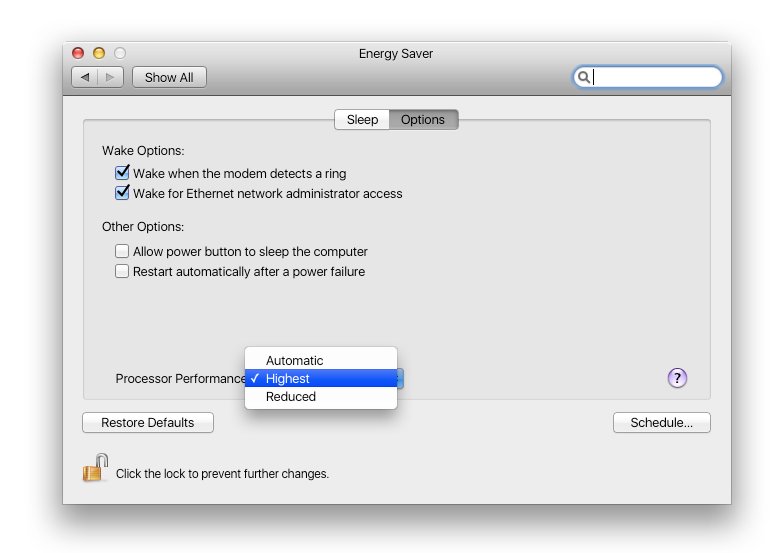
- Processor Performance Settings: Legacy functionality dating back to PowerPC Macs that balances performance and energy efficiency
When devices reach full charge, circuitry seamlessly switches to direct power from the adapter, allowing batteries to rest. Modern systems may even intentionally maintain charge at 90-95% to prolong cell longevity, a stark contrast to older continuous charging patterns.
The Background App Paradox
A common misconception persists regarding app management on Apple devices. iOS and iPadOS employ sophisticated app suspension that freezes background processes without closing them, minimizing CPU usage while preserving RAM state. Manually closing apps forces the system to reload them entirely upon next launch, consuming more energy than resuming a suspended state. This efficiency extends to Android's App Standby Buckets system introduced in recent versions. Only apps actively running background services like location tracking warrant manual closure.
MacOS operates differently without automatic app suspension, leading to divergent user behaviors. Some users religiously quit all applications, while others leave workflows perpetually open—a testament to macOS's robust memory management. Third-party utilities like Bokeh for PowerPC Macs demonstrated early approaches to manual process suspension, foreshadowing modern mobile implementations.
Historical Precedents: The PowerBook 5300 Legacy

The 1995 PowerBook 5300 crisis remains a pivotal moment in Apple's battery development history. As the first PowerBook with Lithium-Ion batteries, early units suffered catastrophic failures—including several that caught fire during charging. Apple's swift transition to Nickel-Metal Hydride batteries and comprehensive recall program prevented widespread damage, though the model remained plagued by structural flaws like fragile hinges and power delivery issues. This episode forced fundamental improvements in battery management circuitry that directly influenced today's safeguards.
Daniel Knight's analysis of the incident notes Apple narrowly avoided long-term brand damage, with Charles W. Moore simultaneously praising the 5300's design longevity despite its technical flaws. The parallel to Samsung's 2016 Galaxy Note7 recalls demonstrates how battery safety remains an industry-wide priority, with each failure advancing protective technologies.
The New Charging Paradigm

Contemporary battery management represents a triumph of adaptive engineering. What began as reactive fixes to thermal emergencies evolved into predictive systems leveraging machine learning and granular hardware controls. Users need no longer fear overnight charging—modern devices intelligently manage the process while providing unprecedented transparency into battery health metrics. The transition from PowerBook fire hazards to AI-optimized charging cycles illustrates technology's capacity to transform vulnerabilities into strengths through iterative innovation.
This evolution invites users to reconsider energy management habits. Closing background apps, avoiding overnight charging, and constant battery monitoring emerge as unnecessary relics of earlier technological limitations. As Apple Intelligence continues refining these systems, we approach an era where power management becomes an invisible, self-optimizing layer of our digital experiences—a silent guardian against the very failures that once made headlines.
Comments
Please log in or register to join the discussion