
As AI copilots become ubiquitous, developers risk generating low‑quality, unreadable code—termed "slop." A recent guide identifies four emotional states that signal this drift and offers a blend of classic developer habits and modern AI guardrails to maintain ownership and quality.
The Four Horses of the Slopocalypse
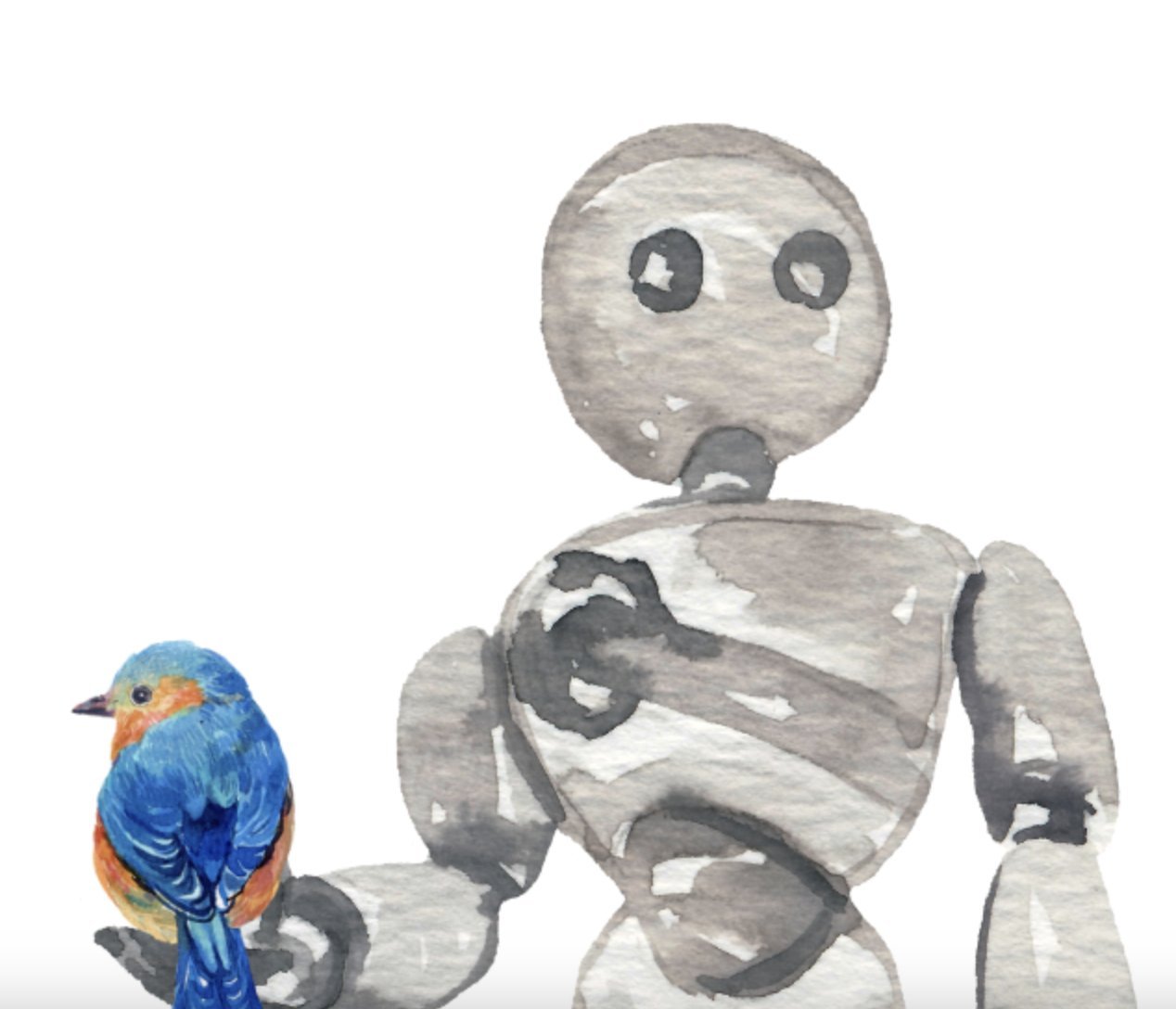
In the era of large language models (LLMs) and AI‑assisted coding, the temptation to hand over the entire development cycle to a machine is strong. Yet the practice has begun to erode code quality, producing what the author calls slop—low‑effort, poorly structured, and hard‑to‑maintain code. The article frames the problem as a set of four emotional “horses” that, when ridden, signal that a developer’s oversight is slipping.
The Emotional Triggers
| Emotion | Physical Cue | Developer Impact |
|---|---|---|
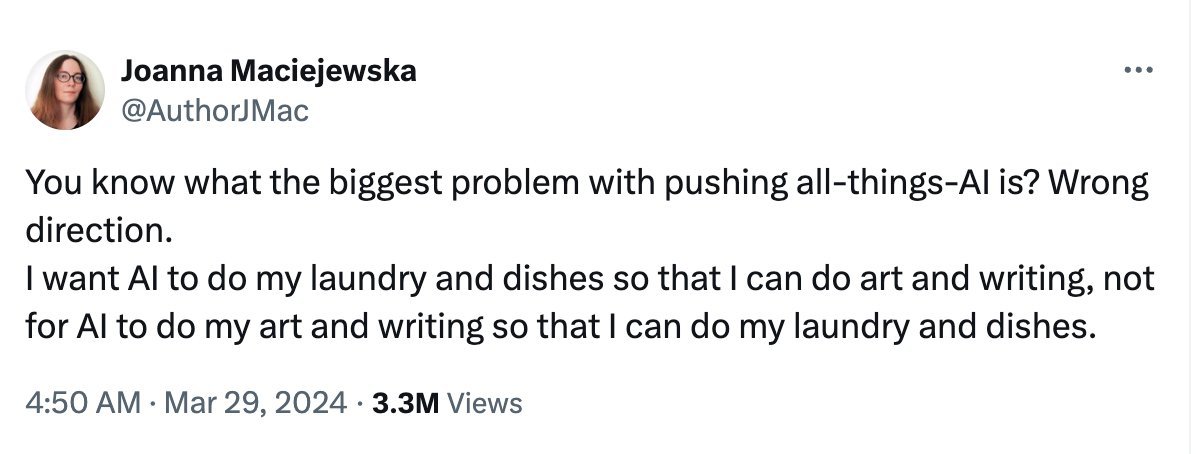
| Boredom | Flatness, itch, light nausea | Code becomes a repetitive task; the developer feels detached and merely “does laundry” for the AI |
| Confusion | Anger‑like tension, unclear focus | Long diffs with hard‑to‑locate bugs; prompts become short and ineffective |
| Frustration | Anger at repeated failures | The AI is blamed instead of the underlying problem; context is lost |
| Fatigue | Mental exhaustion, brain fog | Rapid burnout; the developer struggles to understand the original problem |
These states are described as neutral signals: they do not indicate a moral failing but a warning that ownership is fading.
The Slopocalypse in Practice
The guide uses an evocative analogy: a developer who hands the AI copilot a ticket, pushes a PR, and then feeds review comments back to the AI is “doing laundry” for the machine. The result is a cascade of small, unrefined changes that accumulate into a brittle codebase. The author cites Oxide RFD 576, which emphasizes that human judgment remains central: "even if an LLM generates an artifact, the output is the responsibility of the human using them."
Defensive Practices: Old‑School Wisdom
- Take Regular Breaks – The author recommends the Pomodoro technique (25 min on, 5 min off) and emphasizes stepping away from the screen: "A phone is not a break."
- Use a Physical Notebook – Handwriting activates different brain regions (cuneus/precuneus) that aid problem‑solving. The author notes that the first draft of the blog was written on paper.
- Pair Early and Often – Even a single pairing session per day keeps ownership sharp and promotes team culture.
Technical Guardrails for Responsible AI Copilots
- Manual Onboarding – Tackle early issues by hand to understand the codebase before leveraging AI.
- Keep Pull Requests Small – A PR checklist can prevent "wet code" and ensure that new utilities are only added when necessary.
- Update Tooling and Configurations – Continuously refine copilot instructions (e.g.,
AGENTS.md,SKILLS.md) based on peer feedback. - Maintain a PR Checklist – A sample checklist is shown below.
# PR Checklist
- [ ] Code compiles without errors.
- [ ] All tests pass locally.
- [ ] No duplicate or commented‑out code remains.
- [ ] Diff is limited to a single logical change.
- [ ] Documentation and comments are updated.
- [ ] Naming follows the project’s conventions.
- [ ] No new public APIs are added without justification.
- [ ] Performance impact is negligible.
Closing Thoughts
The article argues that mastering AI tools is not merely a matter of learning new syntax; it is a discipline that blends emotional awareness with rigorous engineering practices. By recognizing the four emotional triggers and applying both classic habits and AI‑specific guardrails, developers can keep the slopocalypse at bay and ensure that AI remains a partner rather than a replacement. The underlying message is clear: the power of AI is amplified when the human remains in the steering wheel.
Comments
Please log in or register to join the discussion