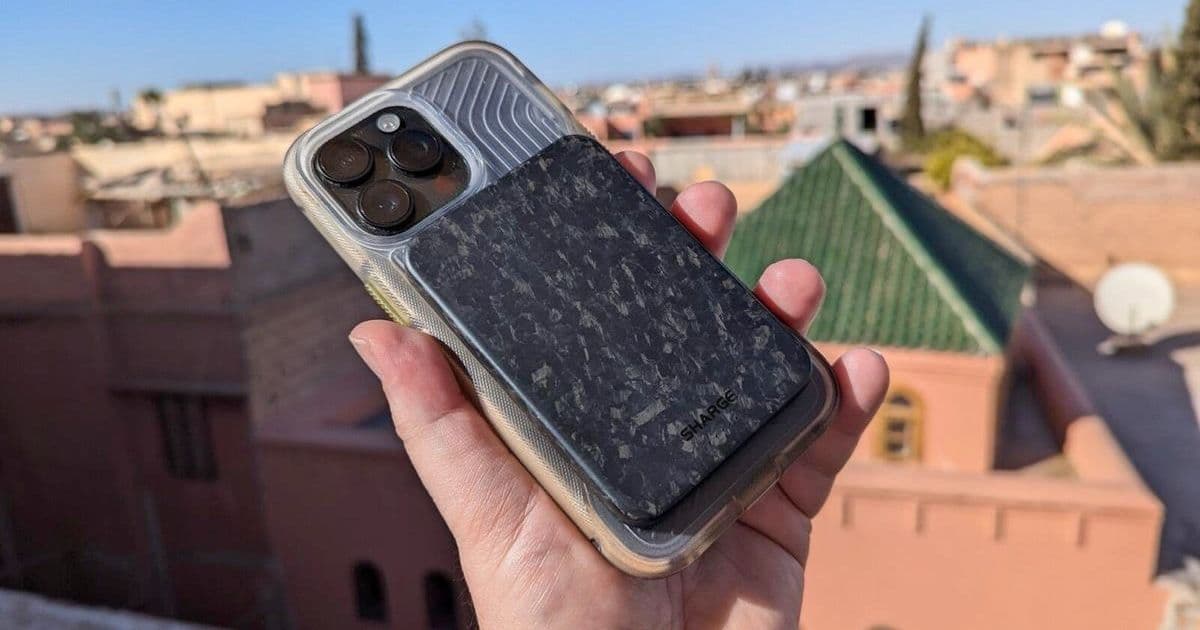
A senior tech journalist's iPhone 15 Pro Max experiences severe battery degradation within 18 months despite optimized settings, revealing the harsh reality of modern smartphone longevity. This deep dive examines the data behind accelerated capacity loss and what it means for users clinging to devices beyond the two-year mark.
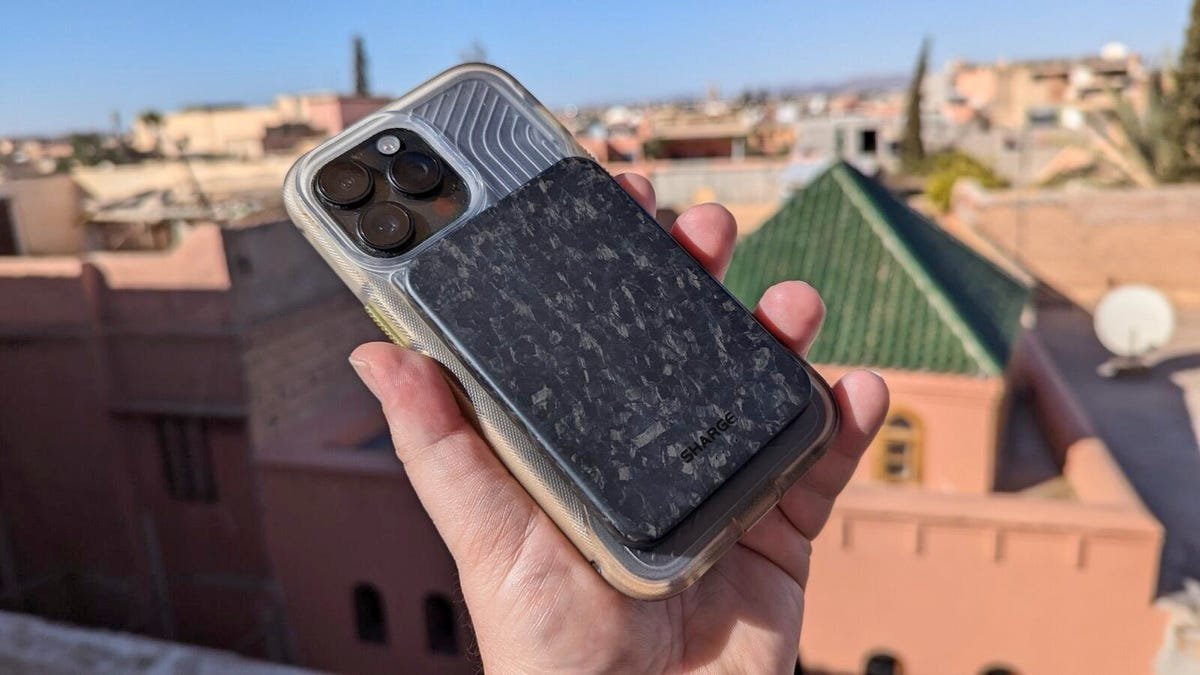
When Apple promises its iPhone batteries retain 80% capacity after 1,000 charge cycles, consumers expect years of reliable service. But Senior ZDNET Contributor Adrian Kingsley-Hughes discovered his meticulously maintained iPhone 15 Pro Max defied those projections, plummeting to 89% capacity after just 501 cycles in 17 months—forcing midday recharges despite optimized settings.
"I start the day with an 80% charge because that's the limit I've set, and by late afternoon, it's hovering close to—if not past—the 20% zone," Kingsley-Hughes reports. What makes this degradation particularly alarming is the device's premium status and the journalist's battery-conscious habits: strict 80% charging limits, avoidance of extreme temperatures, and no excessive charging periods.
The Data Tells a Troubling Tale
Technical metrics from the device show:
- Manufactured: December 2023
- First used: March 2024
- Current capacity: 89% of original
- Charge cycles: 501
- Battery health status: "Normal" per iOS diagnostics
"This iPhone is running a beta version of iOS 26, with Adaptive Power enabled, so in theory it should manage battery consumption better. However... battery life is no worse under iOS 26 than iOS 18."
— Adrian Kingsley-Hughes
The paradox highlights a harsh reality: even with Apple's battery health management features enabled, intensive daily usage patterns—like constant background audio via YouTube Premium—accelerate degradation beyond theoretical projections. Kingsley-Hughes notes this isn't an isolated experience, with online communities echoing similar premature battery fatigue.
Why This Matters Beyond One iPhone
- The Longevity Illusion: Flagship smartphones marketed as premium investments struggle to maintain baseline functionality within standard contract periods, undermining sustainability claims.
- Diagnostic Blind Spots: iOS reports "normal" health despite capacity dropping faster than Apple's own lifecycle estimates, leaving users without actionable alerts.
- The Heavy User Penalty: Those relying on phones as primary computing devices face disproportionate degradation—a critical consideration for developers testing resource-intensive applications.
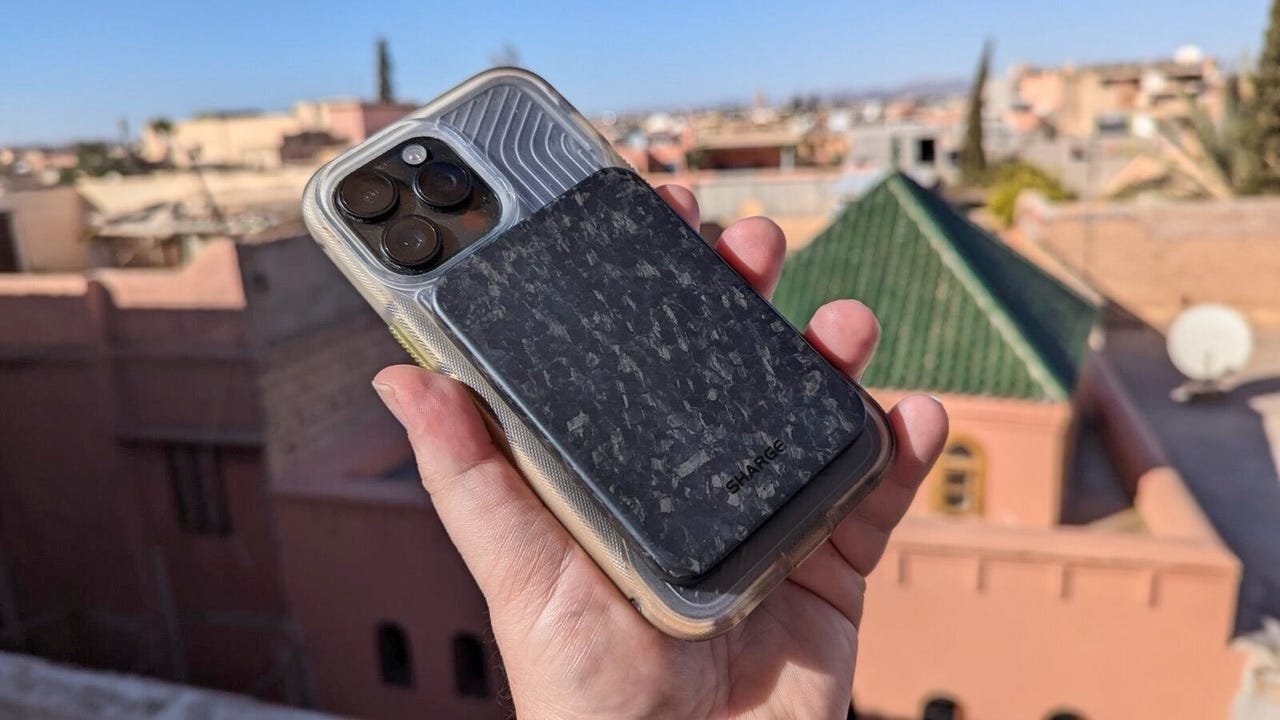 Sharge CarbonMag 5K power bank - now essential daily gear
Navigating the Battery Cliff
Kingsley-Hughes confronts limited options:
- Increase charging limit to 100%: Temporarily extends daily runtime but accelerates long-term degradation
- Battery replacement: Mandatory for multi-year ownership, yet inconvenient and costly
- External power dependency: MagSafe power banks become permanent accessories
His verdict? "I'm absolutely convinced this handset won't make it to the three-year mark without being a total nuisance." As manufacturers push thinner designs and more powerful chipsets, this case exposes the growing rift between theoretical battery science and real-world durability—forcing users to choose between convenience and device longevity.
Source: ZDNET
Comments
Please log in or register to join the discussion