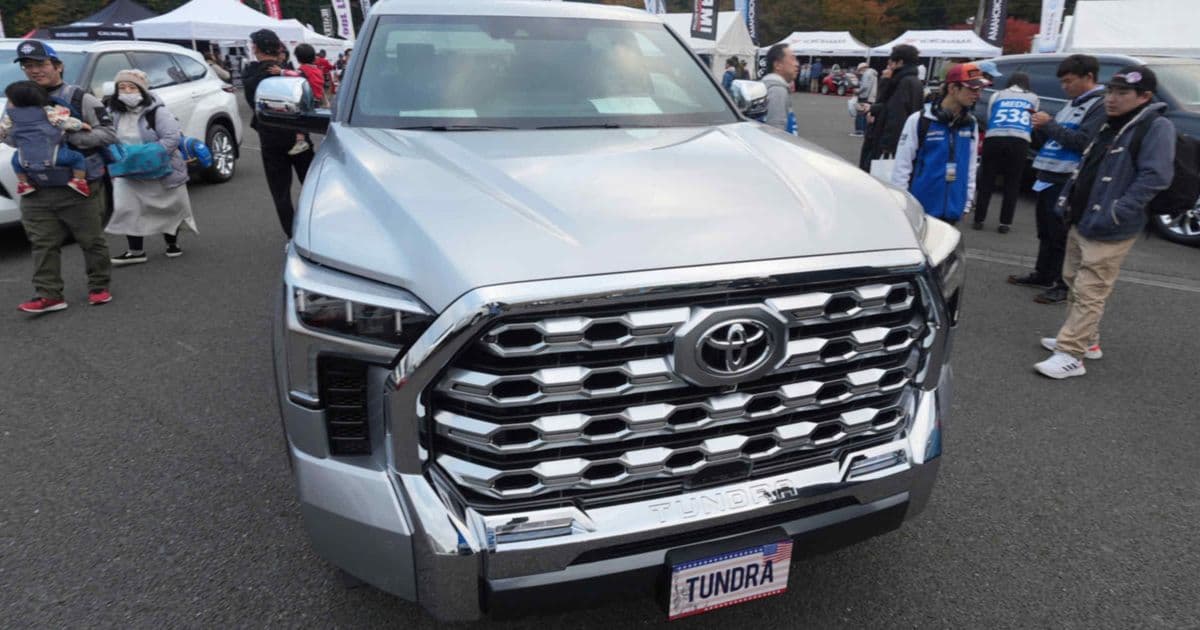
Toyota prepares to import Tundra pickups and Highlander SUVs from US factories to Japanese dealerships, marking a strategic shift in global production strategy.
Toyota Motor will begin selling US-built vehicles in Japan next month, marking a significant shift in the company's global strategy. The Japanese automaker plans to import the Tundra pickup truck and Highlander SUV from its North American factories to Japanese dealerships, with trial sales starting in Tokyo before expanding nationwide.
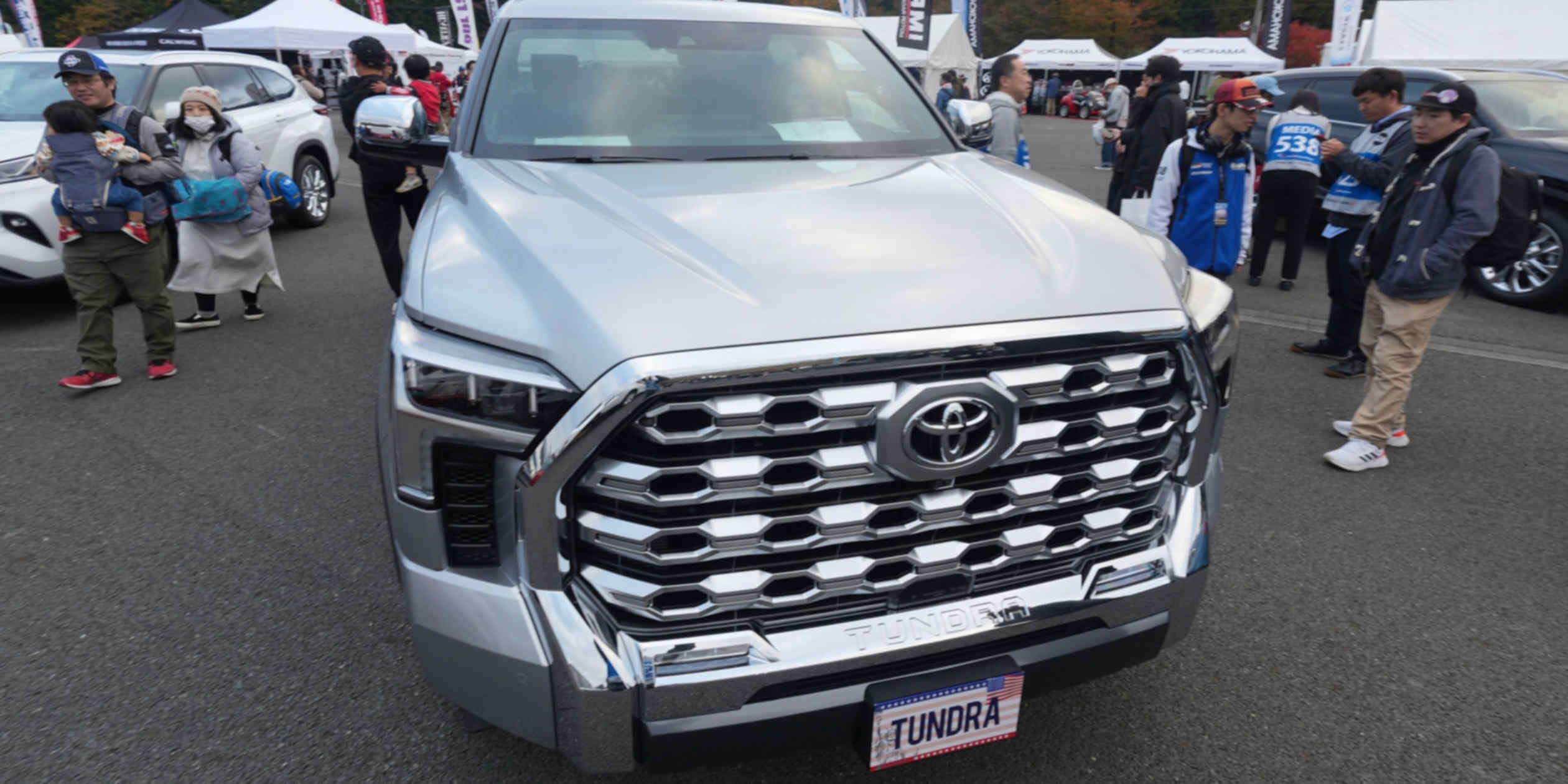
The decision represents a notable departure from Toyota's traditional approach of manufacturing vehicles specifically for the Japanese market. The Tundra, a full-size pickup truck with left-hand drive configuration, will be sold as-is from US production lines without modification for the Japanese market. This move suggests Toyota is testing the waters for American vehicle designs in its home market.
Market Context and Strategic Implications
The timing of this announcement is particularly interesting given the current automotive landscape. Japanese consumers have shown increasing interest in larger vehicles, with sales of SUVs and crossovers growing steadily over the past decade. However, the full-size pickup segment remains relatively niche in Japan compared to the US market.
Toyota's decision to import these specific models from the US could be driven by several factors:
- Production efficiency: Utilizing existing US manufacturing capacity for export markets
- Market testing: Gauging Japanese consumer interest in American vehicle designs
- Supply chain diversification: Reducing dependency on Japanese production for all markets
- Cost considerations: Potentially lower production costs in the US for these specific models
The Models in Focus
The Tundra pickup truck represents Toyota's entry into the competitive full-size pickup segment in Japan. Known for its durability and towing capacity in the US market, the Tundra will be offered with left-hand drive, which may limit its appeal to some Japanese consumers accustomed to right-hand drive vehicles.
The Highlander SUV, a midsize crossover, may have broader appeal in the Japanese market. Its three-row seating configuration and versatile cargo space could attract families and those needing more passenger capacity than typical Japanese vehicles offer.
Industry Context
This move comes amid broader shifts in the global automotive industry. Japanese automakers have faced increasing pressure from Chinese electric vehicle manufacturers in Southeast Asian markets, while traditional segments like sedans continue to decline in popularity worldwide.
Toyota's strategy appears to be diversifying its product offerings and testing new market segments rather than focusing solely on electric vehicle development, which has proven challenging for many traditional automakers. The company has been more cautious about EV adoption compared to some competitors, instead investing in hybrid technology and hydrogen fuel cells.
What This Means for Consumers
Japanese consumers will have access to vehicles that have been popular in the US market but previously unavailable domestically. This could appeal to:
- Expatriates and American car enthusiasts who prefer US vehicle designs
- Businesses needing larger vehicles for specific applications
- Consumers seeking alternatives to traditional Japanese vehicle sizes
The pricing strategy will be crucial for success. Imported vehicles typically carry higher prices due to tariffs and shipping costs, which could limit the potential customer base for these models.
Looking Ahead
The trial sales in Tokyo will serve as a test case for Toyota's broader strategy regarding US-built vehicles in Japan. Success could lead to expanded offerings and potentially influence future production decisions across Toyota's global operations.
This move also reflects the increasingly interconnected nature of global automotive markets, where vehicles designed for one region may find new audiences in others. As consumer preferences continue to evolve and manufacturing becomes more flexible, we may see more cross-regional vehicle offerings from major automakers.
For now, Toyota's experiment with US-built vehicles in Japan represents a calculated risk that could pay off if Japanese consumers embrace these larger, American-designed vehicles. The results of this trial will likely influence Toyota's global strategy for years to come.
Comments
Please log in or register to join the discussion