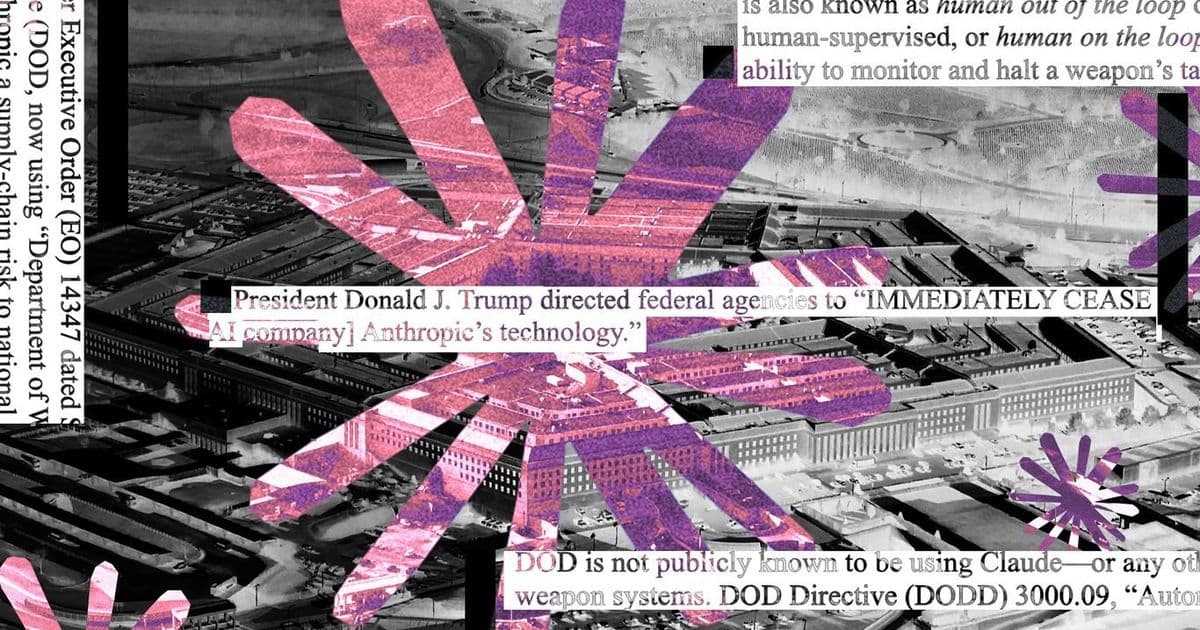
Trump officials are reportedly drafting a plan to restore Anthropic's access to Pentagon contracts, signaling a potential reversal of current restrictions on AI companies working with the military.
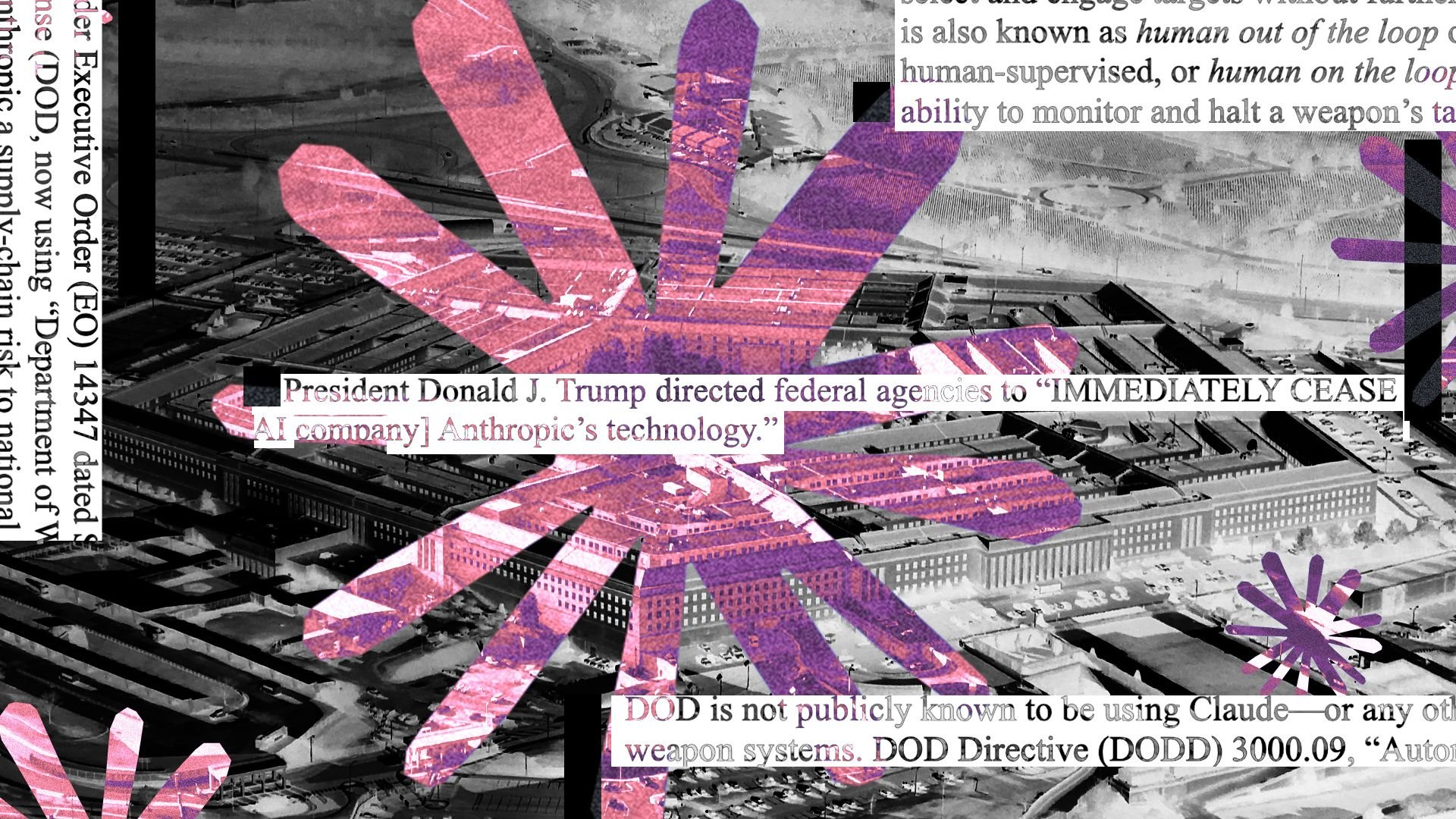
Trump administration officials are developing a plan to restore Anthropic's access to Pentagon contracts, according to sources familiar with the matter. This potential shift comes amid ongoing tensions between AI companies and the Department of Defense regarding collaboration on artificial intelligence projects.
The move represents a significant policy reversal, as current restrictions have limited Anthropic's ability to work with the military on AI development and deployment. Anthropic, founded by former OpenAI researchers, has positioned itself as a safety-focused AI company, but has faced challenges navigating the complex landscape of government contracts and national security concerns.
"The administration recognizes the strategic importance of maintaining access to cutting-edge AI capabilities," said one official familiar with the discussions, speaking on condition of anonymity. "Anthropic represents some of the most advanced AI research in the private sector, and denying the Pentagon access to these capabilities creates unnecessary competitive disadvantages."
The Pentagon has increasingly sought partnerships with AI companies to enhance its technological capabilities, particularly in areas such as cybersecurity, intelligence analysis, and autonomous systems. However, concerns about data security, algorithmic bias, and potential dual-use applications have complicated these relationships.
Anthropic has raised approximately $7.4 billion in funding, with major investors including Google, Amazon, and Menlo Ventures. The company's Claude AI models have gained attention for their focus on safety and alignment, though they have faced criticism regarding their performance compared to competitors like OpenAI's GPT series.
The potential policy shift would likely involve establishing clearer guidelines for AI companies working with the military, potentially including enhanced security protocols and oversight mechanisms. Such a framework could serve as a model for future government-AI company collaborations.
"This isn't just about Anthropic," said one defense technology analyst. "It's about establishing a sustainable framework for how the government can leverage private-sector AI innovation while maintaining appropriate safeguards. The current situation has created unnecessary barriers that neither the companies nor the military can afford."
The development comes as the Trump administration continues to prioritize technological advancement as a key component of national security strategy. Officials have increasingly emphasized the need for the United States to maintain leadership in AI development, particularly in light of growing international competition.
Industry observers note that the potential policy change could have implications beyond Anthropic, potentially setting precedents for how other AI companies engage with government agencies. The approach taken may influence future regulations and guidelines governing AI development and deployment in sensitive contexts.
For more information about Anthropic and their AI research, visit their official website or explore their research publications.
Comments
Please log in or register to join the discussion