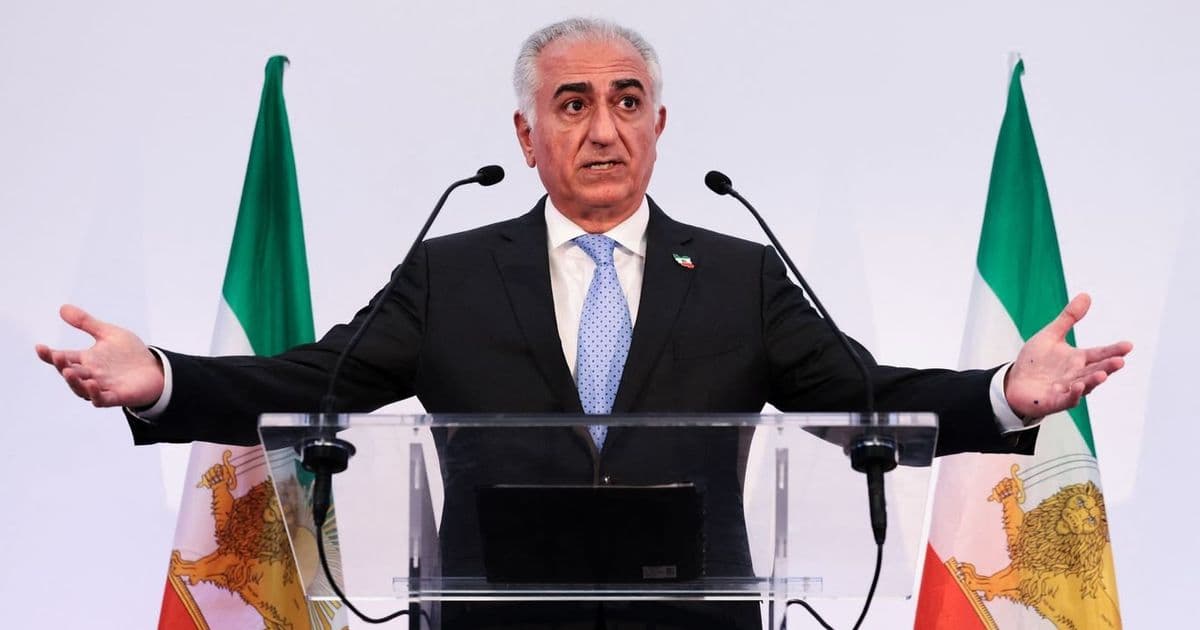
Exclusive: In a clandestine diplomatic engagement, Steve Witkoff, a key envoy for former President Donald Trump, met with Reza Pahlavi, the exiled son of Iran's last Shah, signaling potential shifts in U.S. strategy toward Iran ahead of the 2024 election.
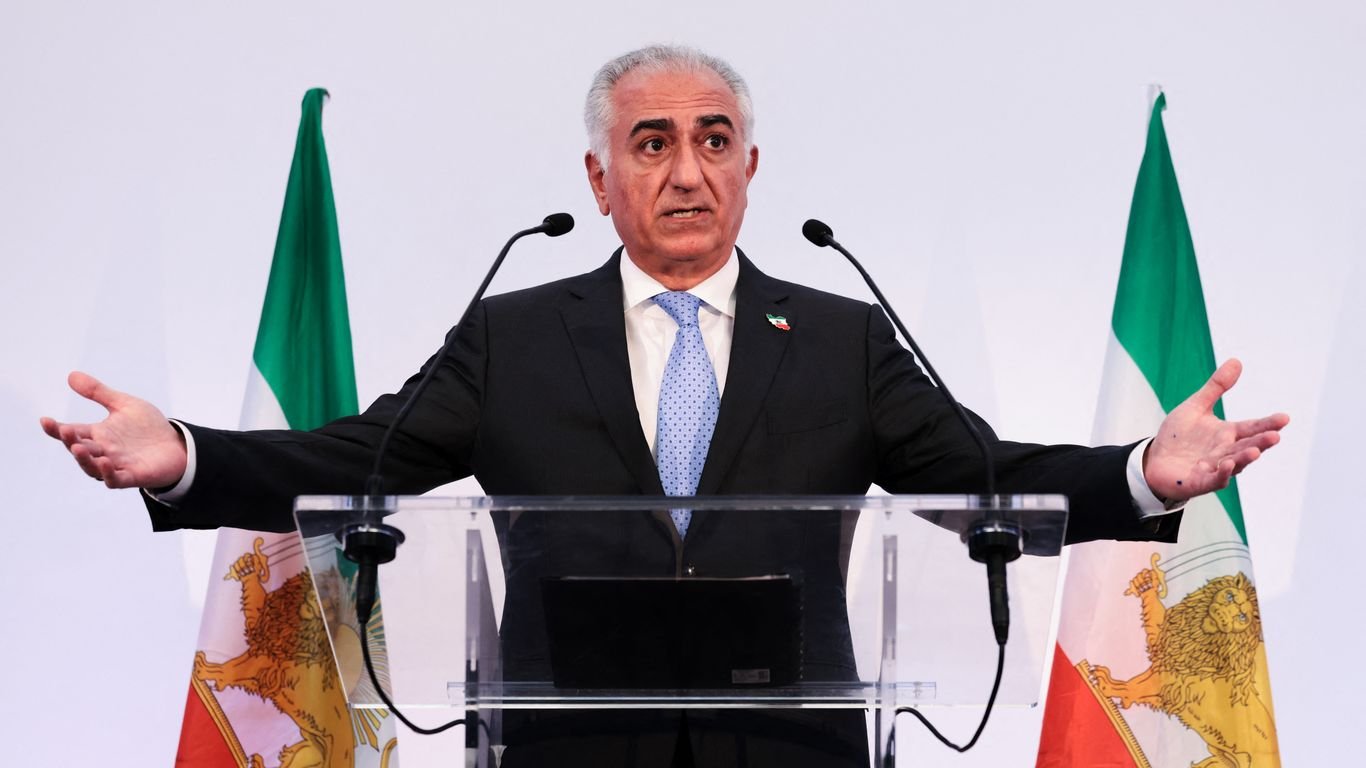
In a confidential meeting that underscores growing concerns over Iran's nuclear ambitions and regional influence, Steve Witkoff, a longtime Trump associate and real estate developer, held secret talks with Reza Pahlavi, the exiled crown prince of Iran. The encounter, confirmed by sources familiar with the matter, took place in recent weeks and represents a notable departure from traditional U.S. diplomatic channels, which have long avoided direct engagement with opposition figures from the Pahlavi dynasty.
Pahlavi, who has lived in exile since the 1979 Islamic Revolution toppled his father, Mohammad Reza Pahlavi, has positioned himself as a secular alternative to the current Iranian regime. He advocates for a democratic transition in Iran, emphasizing human rights, women's rights, and the separation of religion and state. This meeting with Witkoff, who served as a special envoy for Trump during his presidency and has maintained close ties to the former administration, suggests that Trump's circle is exploring backchannel options to pressure Tehran or prepare for a post-theocratic Iran.
The context of this meeting is rooted in escalating tensions between the U.S. and Iran. Since the U.S. withdrawal from the Joint Comprehensive Plan of Action (JCPOA) in 2018 under Trump, Iran has accelerated its uranium enrichment to near-weapons-grade levels, according to International Atomic Energy Agency (IAEA) reports. As of late 2023, Iran possesses enough enriched uranium to produce several nuclear weapons if it chose to, though Tehran insists its program is peaceful. The Biden administration has pursued indirect negotiations, but progress stalled amid Iran's support for proxies like Hezbollah and Hamas, and its drone exports to Russia for use in Ukraine.
Witkoff's role in this episode highlights the informal networks that characterize Trump-era foreign policy. Unlike career diplomats bound by protocol, Witkoff operates as a trusted confidant who can navigate non-traditional alliances. His background in high-stakes real estate deals—evident in his involvement in projects like the Trump International Hotel in Washington, D.C.—equips him with negotiation skills that Trump values for unconventional diplomacy. This is not Witkoff's first foray into sensitive geopolitics; he was instrumental in Trump's 2018 summit with North Korean leader Kim Jong Un, where he helped facilitate logistics and messaging.
For Pahlavi, the meeting offers a rare platform to amplify his vision for Iran. In interviews and op-eds, he has called for international support to empower Iranian civil society, pointing to the 2022 protests sparked by Mahsa Amini's death as evidence of the regime's fragility. Pahlavi's proposals include sanctions targeting regime elites, support for exiled opposition groups, and contingency planning for a transitional government. He has avoided endorsing regime change by force, instead pushing for a velvet revolution akin to Eastern Europe's 1989 transitions.
Strategically, this development could influence the 2024 U.S. presidential race. Trump has criticized the Biden administration's Iran policy as "weak" and pledged a tougher stance if re-elected. Engaging Pahlavi signals a potential pivot toward supporting internal dissent, aligning with Trump's "maximum pressure" campaign that included the assassination of Qasem Soleimani in 2020. However, such outreach risks alienating Arab allies like Saudi Arabia and the UAE, who fear a power vacuum in Iran could destabilize the region further.
Critics argue that legitimizing Pahlavi could complicate U.S. relations with European powers, who prefer multilateral approaches to Iran. Proponents, including some Iranian diaspora groups, view it as a moral imperative to back secular alternatives amid the regime's human rights abuses, which the U.N. has documented extensively.
This secret diplomacy reflects a broader pattern in which non-state actors and exiled leaders play outsized roles in shaping U.S.-Iran relations. As nuclear talks remain frozen and regional proxy conflicts intensify, such meetings may foreshadow a more assertive American strategy aimed at isolating Tehran from within.
Sources: Axios reporting, IAEA assessments, Pahlavi's public statements, and Trump administration records.
Comments
Please log in or register to join the discussion