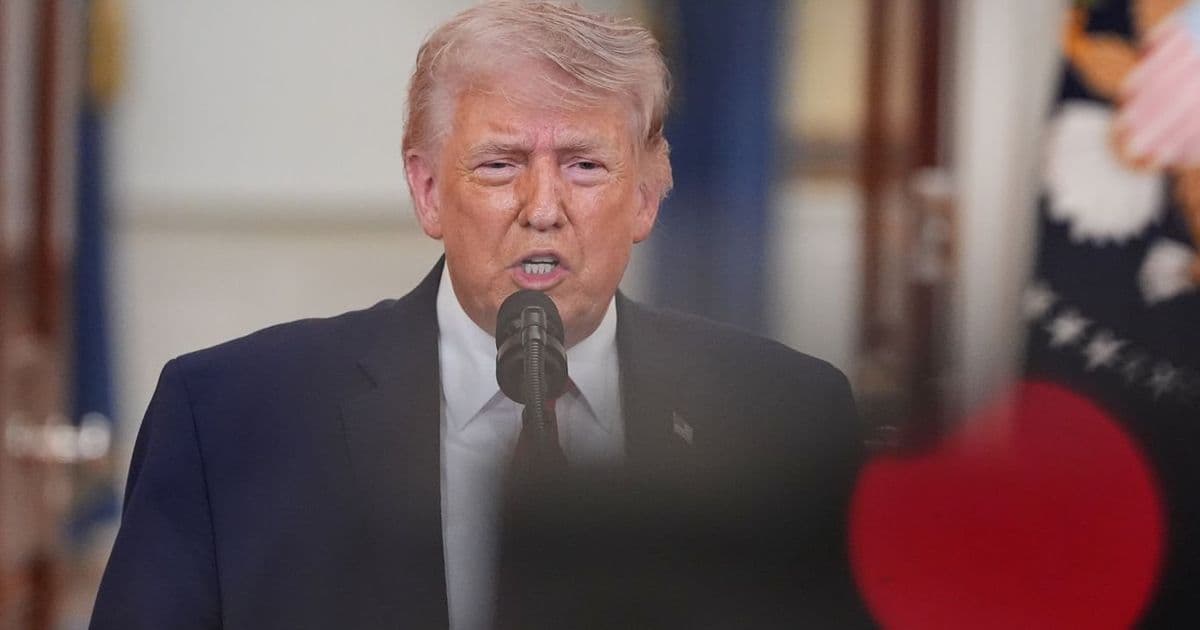
President Trump disclosed that U.S. officials worried Iran might use the F-15 crew rescue as an opportunity to capture American forces, raising concerns about potential escalation during the delicate operation.
President Donald Trump revealed in an exclusive interview that U.S. officials feared Iran might attempt to trap American forces during a recent F-15 crew rescue operation, raising the stakes of what could have become a major international incident.
During a televised address from the White House on April 1, 2026, Trump disclosed that American military planners were deeply concerned about the possibility of Iranian forces using the rescue mission as an opportunity to capture U.S. personnel.
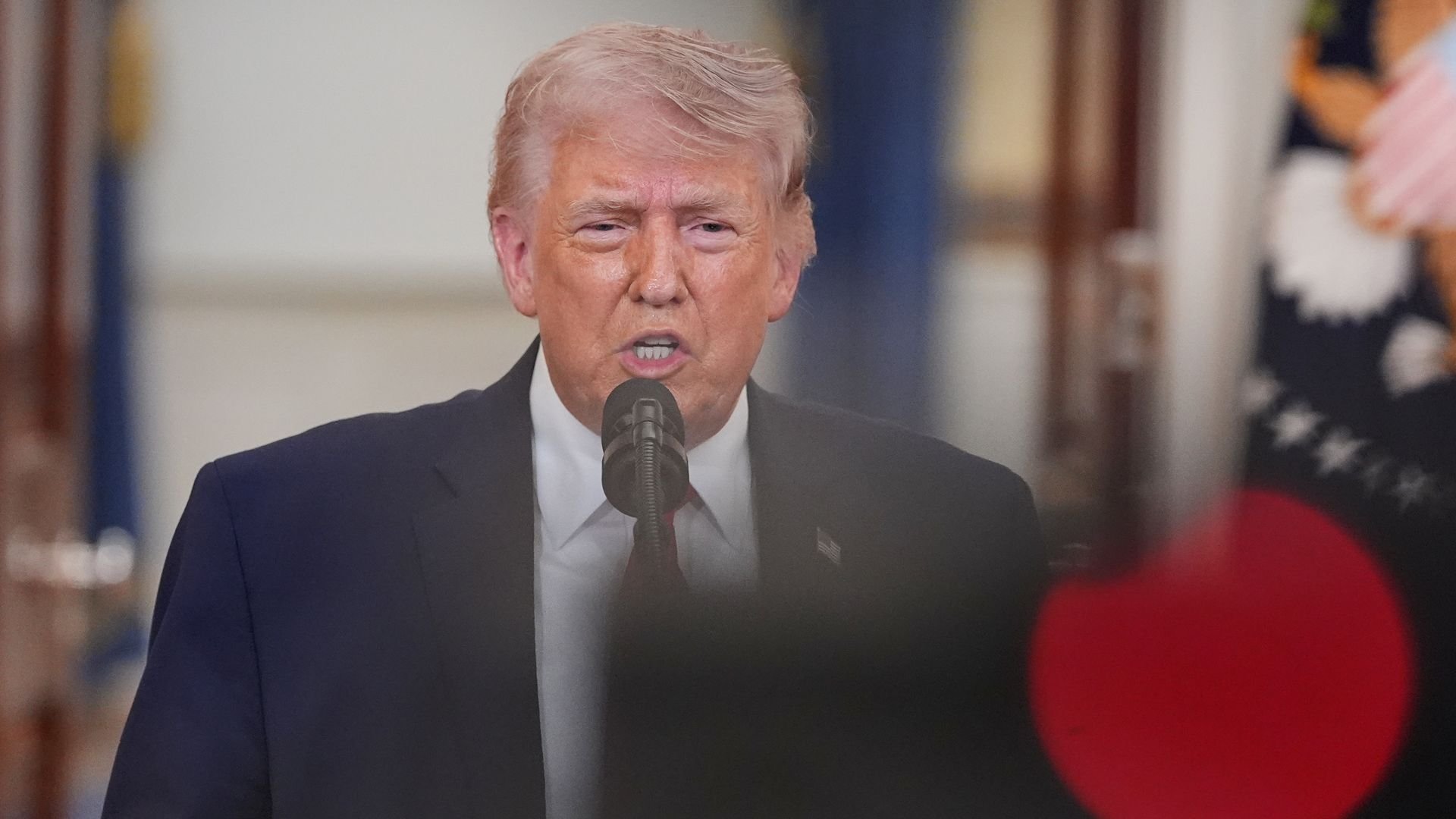
The Rescue Operation The incident involved an F-15 fighter jet crew that required emergency extraction under potentially hostile conditions. While specific details about the mission remain classified, Trump indicated that the operation took place in or near Iranian airspace or territorial waters.
"We had to move very carefully," Trump stated during the interview. "There was genuine concern that the Iranians might try to use this as a way to get their hands on American military personnel."
Strategic Calculations The revelation provides insight into the complex decision-making process behind high-risk military operations in the Middle East. U.S. officials had to weigh the immediate need to rescue the crew against the potential for escalation with Iran, a nation with which tensions have remained high despite diplomatic efforts.
Military analysts suggest that the fear of a trap likely influenced the tactical approach to the rescue, potentially involving multiple layers of contingency planning and rapid response capabilities.
Regional Implications The disclosure comes at a time of heightened sensitivity in U.S.-Iran relations. The region has seen increased military activity from both sides, with periodic confrontations in the Persian Gulf and ongoing disputes over nuclear development and regional influence.
Trump's comments suggest that even routine military operations in the region carry significant risk of escalation, requiring careful coordination between military and diplomatic channels.
What This Means This revelation underscores the precarious nature of U.S. military operations in the Middle East and the constant calculation of risks versus rewards in engagement with Iran. The fact that rescue operations themselves can be perceived as potential traps highlights the deep mistrust between the two nations.
For military planners, the incident likely reinforces the need for robust intelligence gathering and contingency planning for even the most routine operations. The psychological dimension of such operations - where the rescuers themselves might become targets - adds another layer of complexity to already challenging missions.
The disclosure also serves as a reminder of the human element in military decision-making, where the safety of individual service members must be balanced against broader strategic considerations and the risk of international incidents.
Comments
Please log in or register to join the discussion