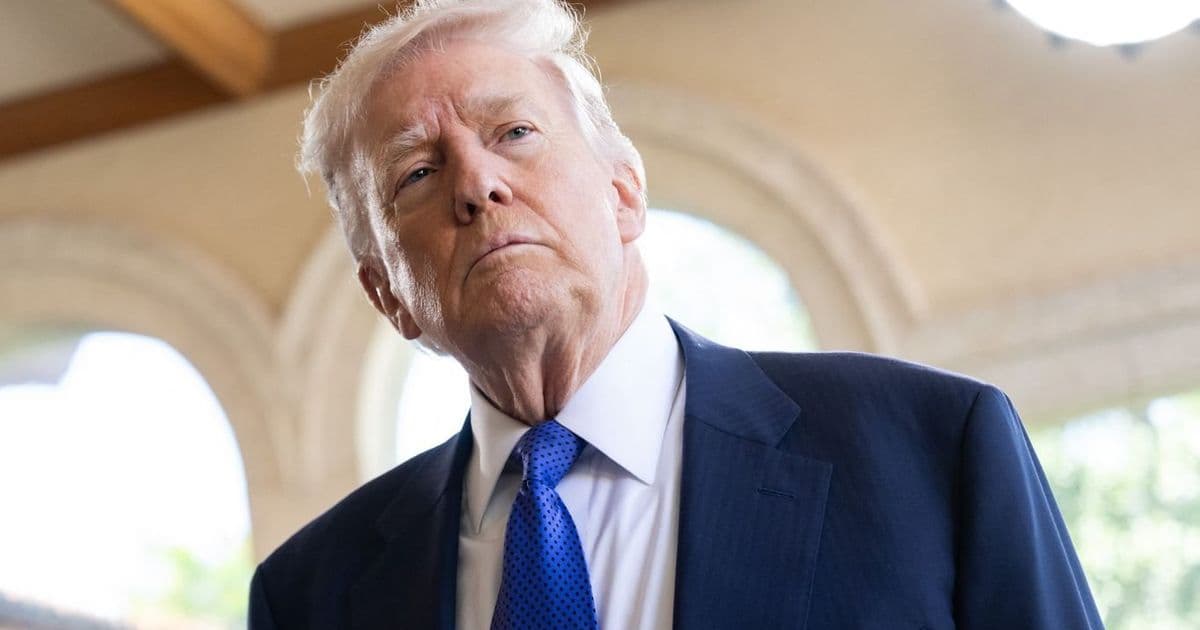
President Trump has proposed renaming multiple high-profile locations after himself, including Washington Dulles International Airport and the Kennedy Center, as part of a broader effort to cement his legacy through geographic nomenclature.
President Donald Trump has launched an ambitious campaign to rename several prominent American landmarks and institutions after himself, marking an unprecedented effort to cement his legacy through geographic nomenclature. The initiative spans from major transportation hubs to cultural institutions, reflecting the president's desire to leave an indelible mark on the nation's physical and cultural landscape.
The Dulles Airport Proposal
The most high-profile renaming effort involves Washington Dulles International Airport, one of the busiest airports serving the nation's capital. Trump has publicly advocated for changing the airport's name to "Donald J. Trump International Airport," arguing that the current name honoring former Secretary of State John Foster Dulles is outdated and that his administration's policies have transformed international travel and aviation security.
The proposal has sparked immediate controversy, with critics pointing out that Dulles Airport has been a Washington landmark since 1962 and that renaming it would erase decades of historical significance. Supporters, however, argue that Trump's impact on aviation policy and his role in modernizing air travel infrastructure merit such recognition.
Kennedy Center Controversy
Perhaps even more contentious is Trump's suggestion to rename the John F. Kennedy Center for the Performing Arts. The president has floated the idea of calling it the "Trump Center for the Arts," claiming that his administration's support for the arts and his personal appreciation for cultural institutions justify the change.
This proposal has drawn particularly sharp criticism from arts communities and historians who view the Kennedy Center as a sacred memorial to one of America's most beloved presidents. The center, which opened in 1971, serves as the nation's cultural center and hosts the Kennedy Center Honors, one of the highest forms of recognition for artists in the United States.
Other Naming Initiatives
Beyond these headline-grabbing proposals, Trump has suggested renaming several other locations and institutions:
- Trump National Park: The president has proposed renaming portions of the National Park System to highlight his administration's environmental policies and conservation efforts.
- Trump Memorial Bridge: A major infrastructure project connecting Virginia and Maryland could bear the president's name under current proposals.
- Trump Presidential Library: While all former presidents receive libraries, Trump has suggested expanding the concept into a larger "Presidential Center" that would serve as both archive and museum.
Historical Context and Precedent
Presidential legacies are typically cemented through libraries, highways, and occasionally airports, but Trump's comprehensive approach to naming represents a departure from historical norms. While figures like Ronald Reagan have airports named after them (Washington National Airport became Reagan National in 1998), and John F. Kennedy has both an airport and performing arts center, no president has actively campaigned for such widespread renaming during their term.
Political and Cultural Implications
The naming campaign has become a flashpoint in America's ongoing cultural and political divisions. Supporters view it as a legitimate recognition of Trump's impact on American politics and policy, while opponents see it as an unprecedented power grab that undermines democratic traditions and historical preservation.
The controversy also raises questions about the role of presidential legacy-building and the appropriate ways to honor political leaders. Traditional approaches have emphasized post-presidential contributions and historical assessment, whereas Trump's strategy seeks immediate recognition during his time in office.
Economic and Logistical Considerations
Renaming major institutions involves significant costs and logistical challenges. Changing airport signage, updating navigation systems, revising marketing materials, and informing the public about new names requires substantial investment. For Dulles Airport alone, the renaming process could cost tens of millions of dollars in signage, documentation, and public education efforts.
Public Reaction and Future Prospects
Public opinion on the renaming proposals remains deeply divided along partisan lines. Polling indicates that while Trump's base largely supports the initiatives as appropriate recognition of his presidency, independents and opposition voters view them as excessive and potentially damaging to national unity.
The ultimate success of these renaming efforts will depend on congressional approval, local government support, and public acceptance. Several proposals face significant legislative hurdles, particularly those involving federally-owned properties or institutions with established historical significance.
Conclusion
President Trump's aggressive naming campaign represents a novel approach to presidential legacy-building that challenges traditional norms and has sparked intense debate about the appropriate ways to honor political leaders. Whether these proposals will ultimately succeed remains uncertain, but they have already succeeded in generating substantial discussion about presidential legacies, historical preservation, and the intersection of politics and public spaces in American life.
The controversy surrounding these naming initiatives reflects broader tensions in American society about how to balance recognition of contemporary political figures with respect for historical traditions and democratic institutions. As the debate continues, the outcome will likely have lasting implications for how future presidents approach the question of their own legacies.
Comments
Please log in or register to join the discussion